Valid ID for Indian Visitors
Indian nationals can use Aadhaar card, voter ID, driving licence, or passport for safari booking. Whichever document is chosen at booking must be the same one carried to the gate — switching to a different document after confirmation is not accepted. Aadhaar is the most commonly used option because the name and ID number appear clearly in the format required by the permit system. If the name on Aadhaar differs slightly from a more formal document like a passport, use the Aadhaar version consistently from booking submission to gate entry.
Valid ID for Foreign Visitors
Foreign nationals must use their passport for both booking submission and gate entry. The passport number, full name as printed in the travel document, and nationality must all be entered accurately. OCI and PIO cardholders should clarify at the time of booking which document category applies to their permit type. If there is any uncertainty about how to classify a dual-citizen traveller, confirm the entry requirement with the booking coordinator before the permit is submitted — corrections after submission are time-sensitive and not always possible.
Children Travelling with Adults
Children must be listed as named travellers in the booking, just like adults, and need a valid ID. For young children, a birth certificate or Aadhaar (if issued) is typically accepted. Group bookings that include children should ensure every traveller is listed with the correct name and ID before the permit is requested. On safari day, everyone named in the booking must be present at the gate — partial group entry is not permitted if the permit names are pre-registered with the Forest Department.
Gate Entry Procedure
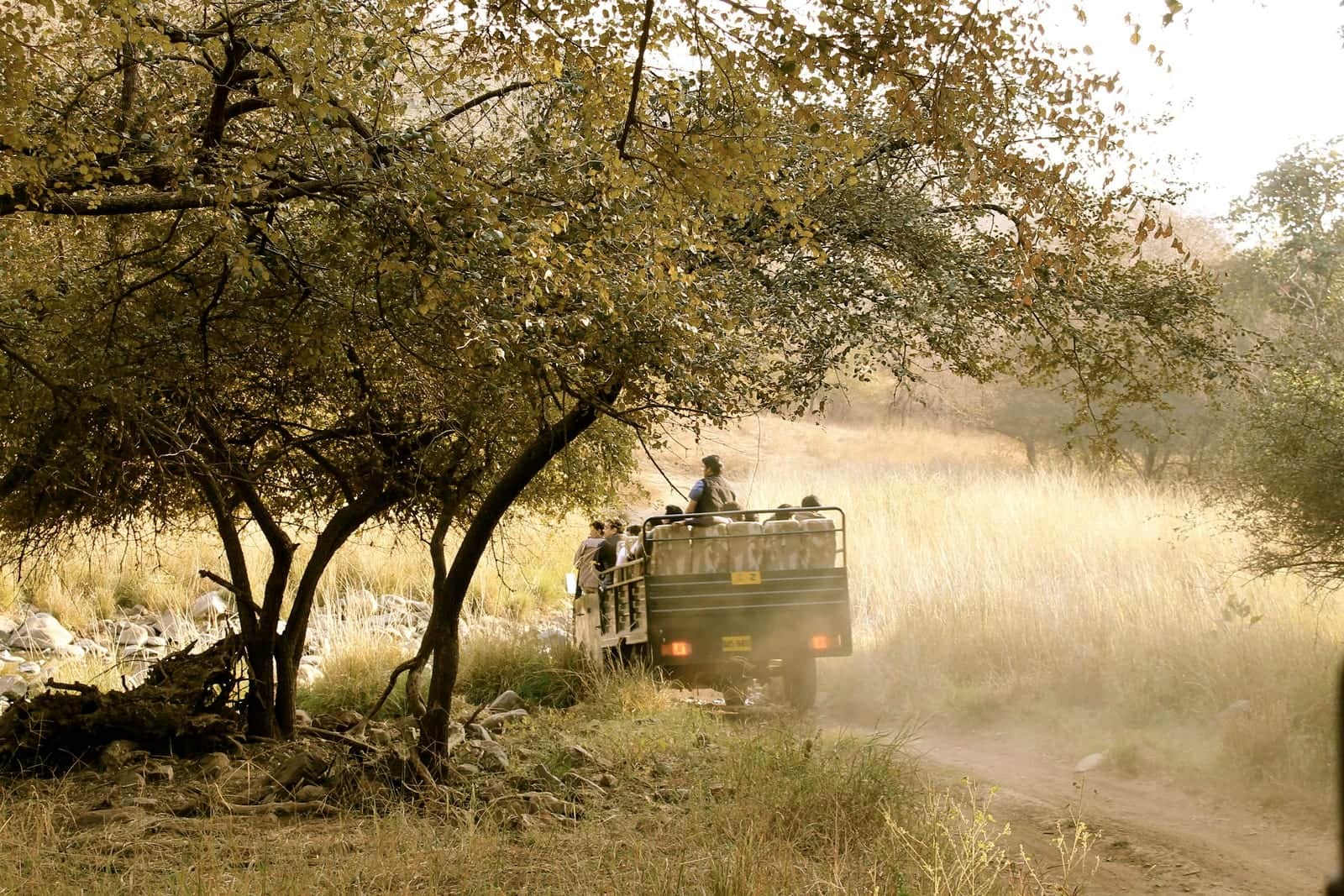
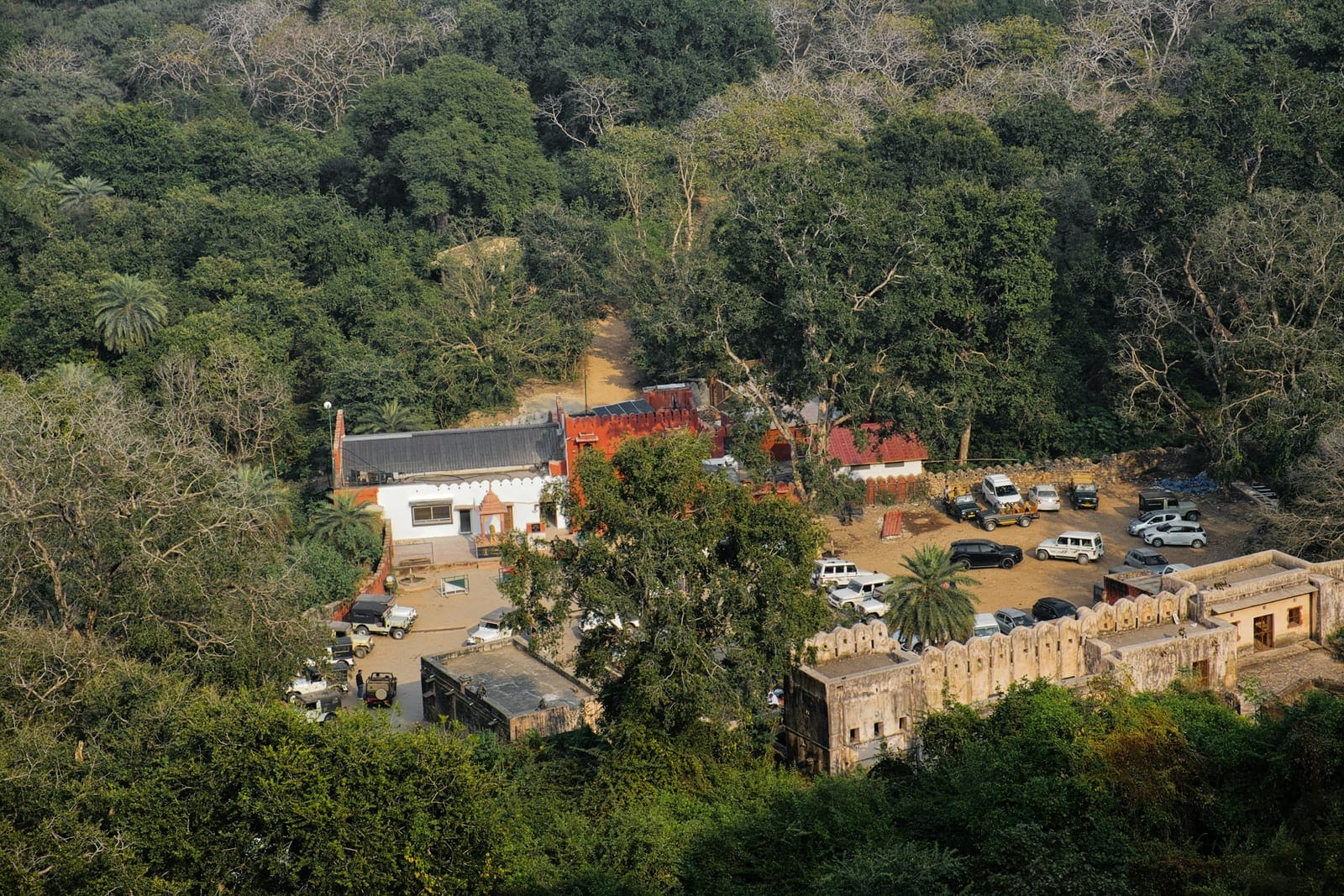
The safari reporting process begins at the designated check-in point for your assigned zone. On arrival, the vehicle guide or permit holder presents the booking confirmation, and each traveller's ID is checked against the permit records. Entry gates operate on fixed reporting windows — missing the window means losing the safari slot entirely, as gates do not hold vehicles for late groups. Plan to arrive at least 10–15 minutes before the reporting time to allow for ID verification, boarding, and any last-minute coordination.
Photography Equipment Rules
Personal cameras, binoculars, and standard camera lenses are permitted on all safaris without additional paperwork. Professional telephoto lenses and video equipment are allowed for personal use but may require a separate equipment permit for commercial or broadcast production. Drones are strictly prohibited inside the park boundary. Tripods and monopods in vehicle-mounted configurations are acceptable. Any recording equipment intended for commercial or media use requires advance written permission from the Forest Department — arrange this well before the travel date to avoid rejection at the gate.
Common Document Mistakes and How to Avoid Them
The most frequent errors are name spelling variations (especially names with multiple English transliterations), entering the wrong ID type, and providing an ID number that does not match the physical document. A second common mistake is assuming a different but more official document is acceptable at the gate, even when it was not used for booking. Guests should review the booking confirmation carefully and compare every detail against the physical ID before approving the final reservation.
What to Do If a Correction Is Needed
If an error is noticed after the booking request has been submitted, contact the booking coordinator immediately. Corrections are sometimes possible before the permit is formally issued by the Forest Department, but become significantly harder once a permit number is allocated. Provide the corrected detail in writing and request written confirmation that the change was applied before the travel date. Allow adequate time for the correction process, especially for bookings made close to a weekend or holiday period when coordination can be slower.