Ranthambore safari zones

Ranthambore Safari Zones — Complete Zone 1 to 10 Guide

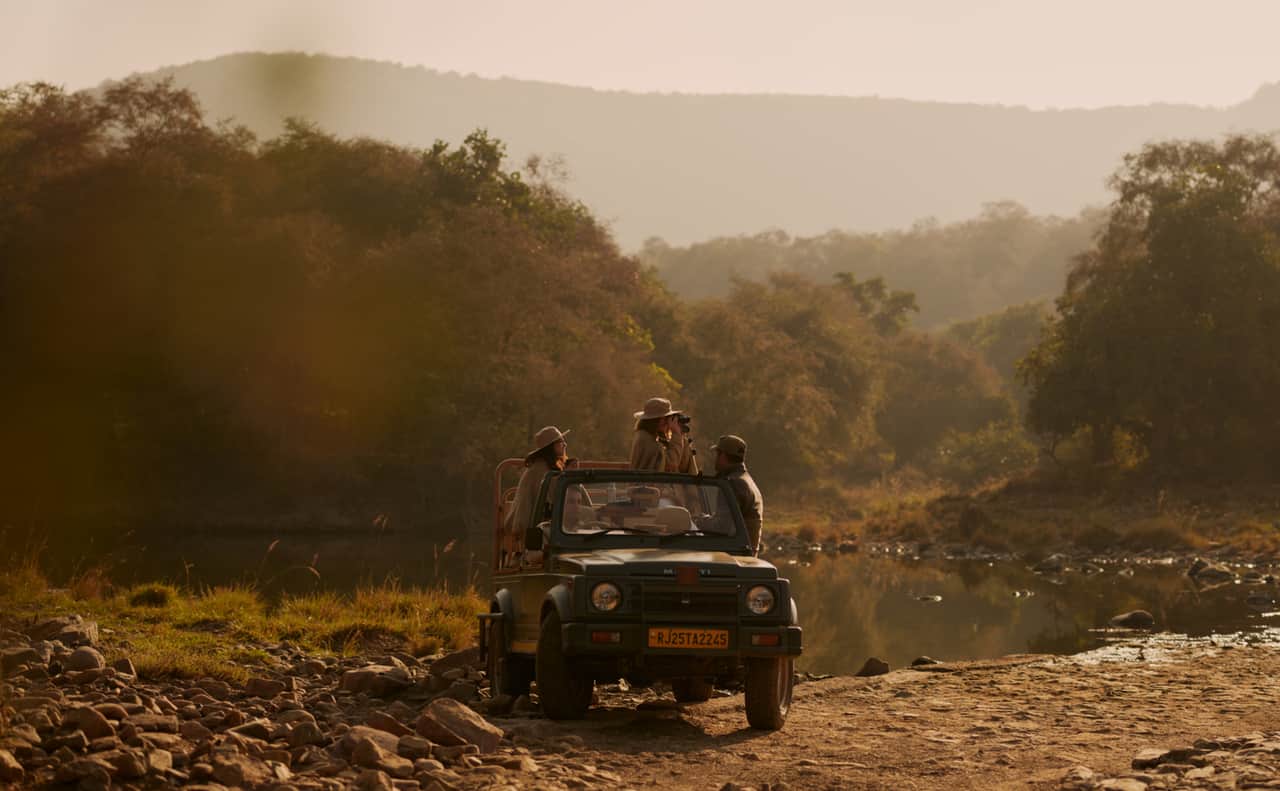
Ranthambore National Park is divided into 10 safari zones covering diverse terrain — from the lake-filled core zones to the open grassland buffer areas. Each zone has its own resident tigers, sighting history, forest character, and entry gate. Understanding these zones helps you plan a better safari and set realistic wildlife expectations.

Zone 1 — Singh Dwar Buffer Zone

Zone 1 enters via Singh Dwar and serves as a buffer area between the core park and the outer reserve. It is home to tigresses T-39 (Noor) and T-57. Notable spotting locations within Zone 1 include Tuti ka Nalla, Amreshwar Dang, Sultanpur, Peela Pani, and Gada Dub. While sightings here can be less frequent than core zones, Noor with her cubs is a regular highlight.

Zone 2 — Jogi Mahal & Phuta Kot

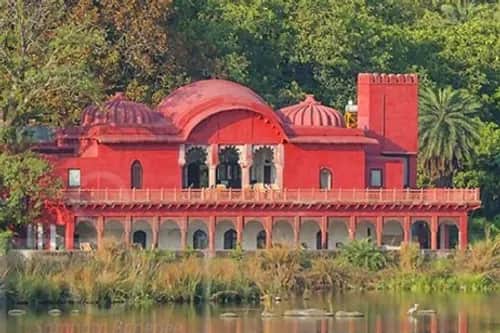
Zone 2 is considered one of the most important zones in the park, with multiple water holes that attract diverse wildlife. Resident tigers include T-19, T-22, T-72, T-57, T-28, T-60, and T-39. Key sighting points are Jogi Mahal (the famous hunting lodge), Phuta Kot, and Lahpur Tiraha. Leopard sightings are also documented here, making it one of the most productive zones overall.

Zone 3 — Padam Talao & Raj Bagh

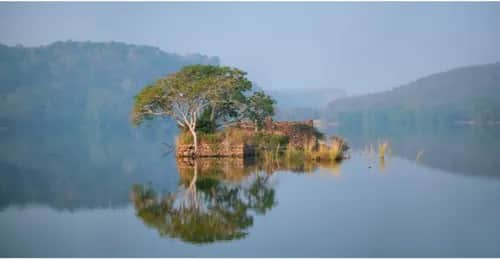
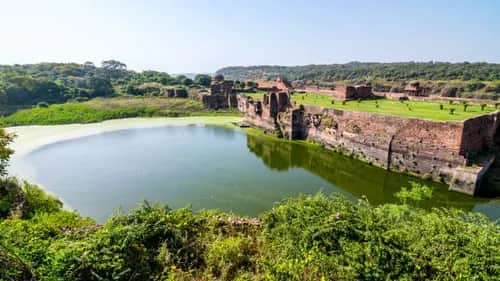
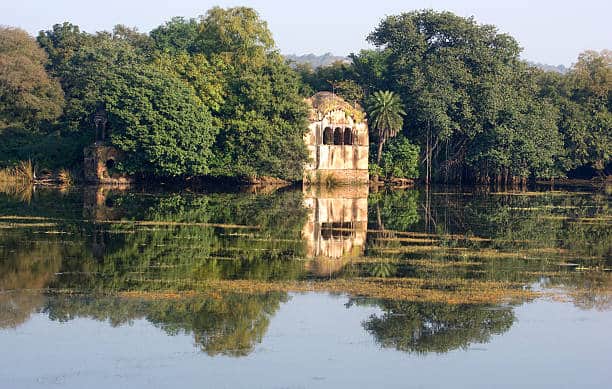
Zone 3 features the famous Padam Talao, the largest lake in the park, along with Raj Bagh and the iconic Raj Bagh Ruins. Elevated viewpoints give safari vehicles excellent sightlines across the water. Tigers T-19 and T-28 are regularly observed here, particularly at the Padam Talao vantage points. The lake also attracts marsh crocodiles, sambar deer, and a wide variety of birds.

Zone 4 — Malik Talao & Machali's Legacy

Zone 4 was historically the home territory of the legendary Machali (T-16), the world's most photographed tigress. Current residents include T-28, T-64, T-19, T-75, T-41 (Laila), and T-25 (Dollar). Key locations include Singh Dwar, Malik Talao, Lakkad Da, Adidaant, and Tamakhan. Laila (T-41), nicknamed Junglee, is a regular and confident presence in this zone.

Zone 5 — Kachida Valley & Anantpur

Zone 5 shares an entry point with Zone 4 and covers terrain that extends into Kachida Valley — one of the best spots for leopard sightings. Key areas include Singhdwar, Anantpur, Jokha, Dhakda, Kachida, Baghda, and Bakola. Tigers T-25, T-28, T-17 (Sundari's lineage), T-74, and T-75 have territories here. Sloth bears are also regularly seen in the rocky Kachida terrain.

Zone 6 — Kundal (Open Grasslands)

Zone 6, known as Kundal, features distinctly open grassland terrain with large mountain backdrops. It borders Zone 1 and offers a very different landscape from the core zones. Notable for sightings of the endangered Red-headed Vulture and Indian gazelle (chinkara). Tiger residents include T-34, T-39, T-57, and T-8. Spotting areas include Kala Pani, Saran Ka Pattha, Patwa Ki Baori, Khabli, and Soleshwar.

Zones 7 & 8 — Chidikho and Balas

Zones 7 (Chidikho) and 8 (Balas) are secondary zones with fewer spotting points than the core areas. Tigers T-8 and T-34 are documented in both zones. Zone 7 covers Chidikho, Jamoda, Kushalipura, and Rajbagh Naka. Zone 8 covers Balas, Kherai, Kali, Neemli Dang, Bhat, and Mahakho. These zones are less crowded and offer a quieter forest experience.

Zones 9 & 10 — River Banks and Birdwatching

Zone 9 (Kuwal Ji) is located about 45 minutes from the main reserve on the banks of the Chakal River. It is home to the aggressive male T-42 (Fateh), T-59, caracals, sloth bears, and excellent aquatic birdlife. Zone 10 (Aantri) is primarily a birdwatching zone with tiger potential. Tigers T-13, T-42, and T-43 are documented here. Both zones offer a more remote, off-the-beaten-path safari experience.

All 10 Ranthambore Safari Zones at a Glance

ZoneArea NameKey TigersHighlights
Zone 1Singh DwarT-39 (Noor), T-57Buffer zone, Tuti ka Nalla, Gada Dub
Zone 2Jogi MahalT-19, T-22, T-28, T-39, T-57, T-60, T-72Multiple water holes, leopard sightings, Jogi Mahal
Zone 3Padam TalaoT-19, T-28Padam Talao lake, Raj Bagh Ruins, crocodiles
Zone 4Malik TalaoT-19, T-25, T-28, T-41 (Laila), T-64, T-75Machali's legacy zone, Malik Talao, T-41 Laila
Zone 5Kachida ValleyT-17, T-25, T-28, T-74, T-75Leopard spot Kachida Valley, sloth bears, Anantpur
Zone 6KundalT-8, T-34, T-39, T-57Open grasslands, Red-headed Vulture, chinkara
Zone 7ChidikhoT-8, T-34Quieter zone, less crowded, mixed forest
Zone 8BalasT-8, T-34Remote feel, Balas, Kherai, Neemli Dang
Zone 9Kuwal JiT-42 (Fateh), T-59Chakal River banks, caracal, aquatic birds
Zone 10AantriT-13, T-42, T-43Birdwatching focus, remote terrain, Aantri

Frequently Asked Questions

How can I book Ranthambore safari online?

You can book a Ranthambore Jeep or Canter safari by sharing your safari date, preferred time, vehicle type, pickup requirement, and visitor details exactly as shown on government ID.

Which is better in Ranthambore, Jeep or Canter safari?

Jeep safari is better for small groups, families, and travellers who want a more private experience. Canter safari is a budget-friendly shared option for larger groups.

Are Ranthambore safari zones guaranteed?

Safari zones are assigned through the forest department permit system. We guide guests on suitable zones and timing, but final allocation depends on current availability.

Which Ranthambore zone is best for tiger sighting?

Zones 2, 3, 4, and 5 have the strongest historical tiger sighting records due to their lakes, water holes, and established tiger territories. Zone 3 around Padam Talao and Zone 2 near Jogi Mahal are consistently productive.

Can I request a specific Ranthambore zone?

You can share a zone preference when booking, but final allocation is managed by the Forest Department and depends on current availability and permit rules.

Which zone is best for leopard sighting?

Zone 5 (Kachida Valley) is the best zone for leopard sightings in Ranthambore due to its rocky terrain that leopards prefer.

Are Zones 7–10 worth visiting?

Yes. While less famous for tigers, these zones offer a quieter, less crowded safari experience with excellent birdwatching, grassland wildlife, and beautiful terrain. Zone 9 near the Chakal River is particularly scenic.

Should I book multiple zones for a single trip?

Yes. Booking safaris in different zones gives you a broader wildlife experience and higher overall tiger sighting probability.