Ranthambore and Jim Corbett tour

Ranthambore and Jim Corbett Tour

Ranthambore and Jim Corbett are the two best-known tiger reserves within reach of Delhi, and they could hardly look more different. One is dry deciduous forest around old fort walls; the other is sal forest and riverbeds under the Himalayan foothills. A week routed through Delhi lets you see both. Here is how we plan it.

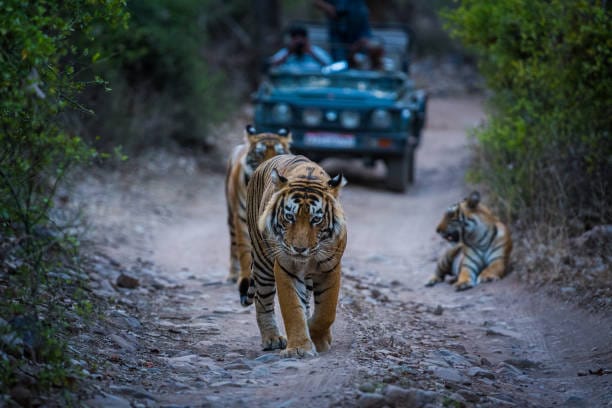
Tigers on a forest track with a safari jeep behind them
Duration
6 to 7 days
Route
Delhi, Ranthambore, Delhi, Corbett
Safaris
2 to 3 in each reserve
Best months
November to April

Route Overview

Both reserves connect to Delhi, so Delhi is the hinge. Ranthambore is approximately 380 km to the south-west, roughly 4 to 5 hours by train to Sawai Madhopur or 6 hours by road. Corbett is in Uttarakhand, approximately 250 km to the north-east, roughly 5 to 6 hours by road or a train to Ramnagar. The two are not linked directly in any practical way, so the tour runs Delhi, Ranthambore, back through Delhi, then Corbett, or the reverse.
Day-by-Day Plan

Day 1: arrive Delhi, evening train to Sawai Madhopur or overnight in Delhi. Day 2: arrive Ranthambore, evening safari. Day 3: morning and evening safaris. Day 4: morning safari, train back to Delhi, overnight. Day 5: drive to Corbett, evening safari where permitted. Day 6: morning safari in Corbett, afternoon drive or a second safari. Day 7: return to Delhi. Adding a night in either reserve makes it eight days and removes most of the rush.

Two Different Landscapes

Ranthambore is open, rocky and dry, with lakes, ruins and long lines of sight, which is why it has a reputation for photographable tigers. Corbett is denser and wetter, with tall sal, grasslands along the Ramganga, elephants, and a much larger bird list. Sightings in Corbett are generally less frequent per drive than in Ranthambore, but the forest itself is the reward. Seeing both in one trip is a good lesson in how varied Indian tiger country is.

Two Different Permit Systems

The permit rules are not the same, and this matters when you plan. Ranthambore permits are issued by the Rajasthan forest department for fixed slots with zones allocated at booking; shared jeep seats are approximately Rs 2,200 to 2,500 per Indian visitor and canter seats approximately Rs 1,500 to 1,600, subject to revision. Corbett is run by the Uttarakhand forest department with its own zones, gates, timings and booking windows, and some zones require an overnight stay inside. We handle the Ranthambore permits ourselves and coordinate the Corbett side with a partner there. No sighting is guaranteed in either park.

Best Season

November to April is the window when both reserves are fully open and the weather is manageable. Corbett zones open on different dates in the autumn and some close earlier in the summer, so the exact dates matter more there. December and January are cold at dawn in both parks. Ranthambore is hot but productive in April and May; Corbett becomes uncomfortable earlier. The Ranthambore core closes in the monsoon, and Corbett largely does too.

What Is Included on Enquiry

We quote the whole tour or just the Ranthambore section. A full quote covers hotels in both reserves and Delhi, train tickets between Delhi and Sawai Madhopur, a car with driver for the Corbett road legs, safari permits and vehicles in both parks, station and hotel transfers, and naturalists where available. Meals depend on the hotel plans. Pricing is on enquiry because hotel category, safari count in each park, and season all move it; you get a line-item quote.

Who This Tour Suits

Serious wildlife travellers and photographers who want to compare two very different tiger habitats in one trip, and overseas visitors flying in and out of Delhi. It is a lot of travel for a first-time visitor who mainly wants monuments; for them the Golden Triangle with Ranthambore is a better shape. Families should allow the eighth day so that no single day is only travel.

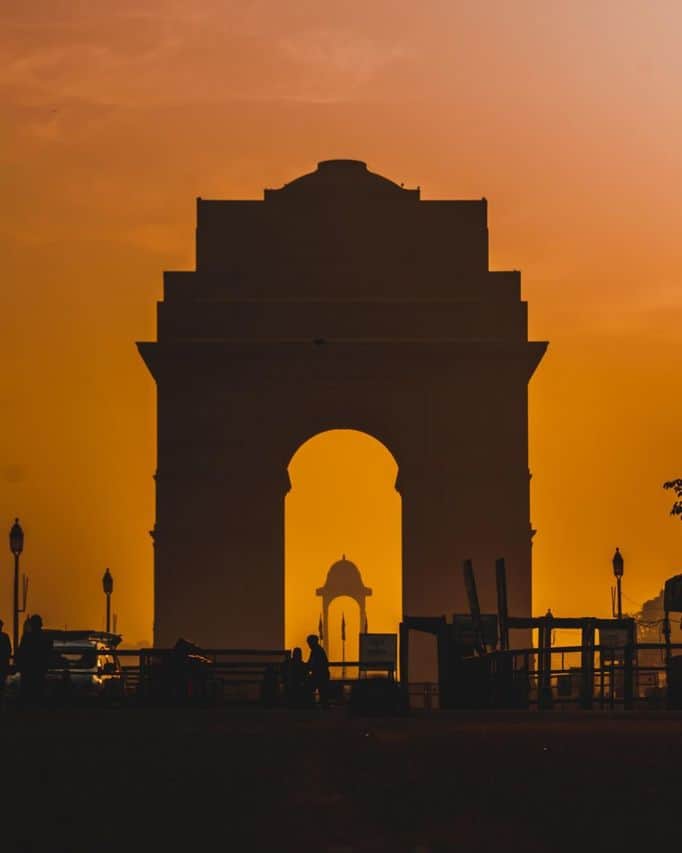
India Gate, Delhi, silhouetted at sunset
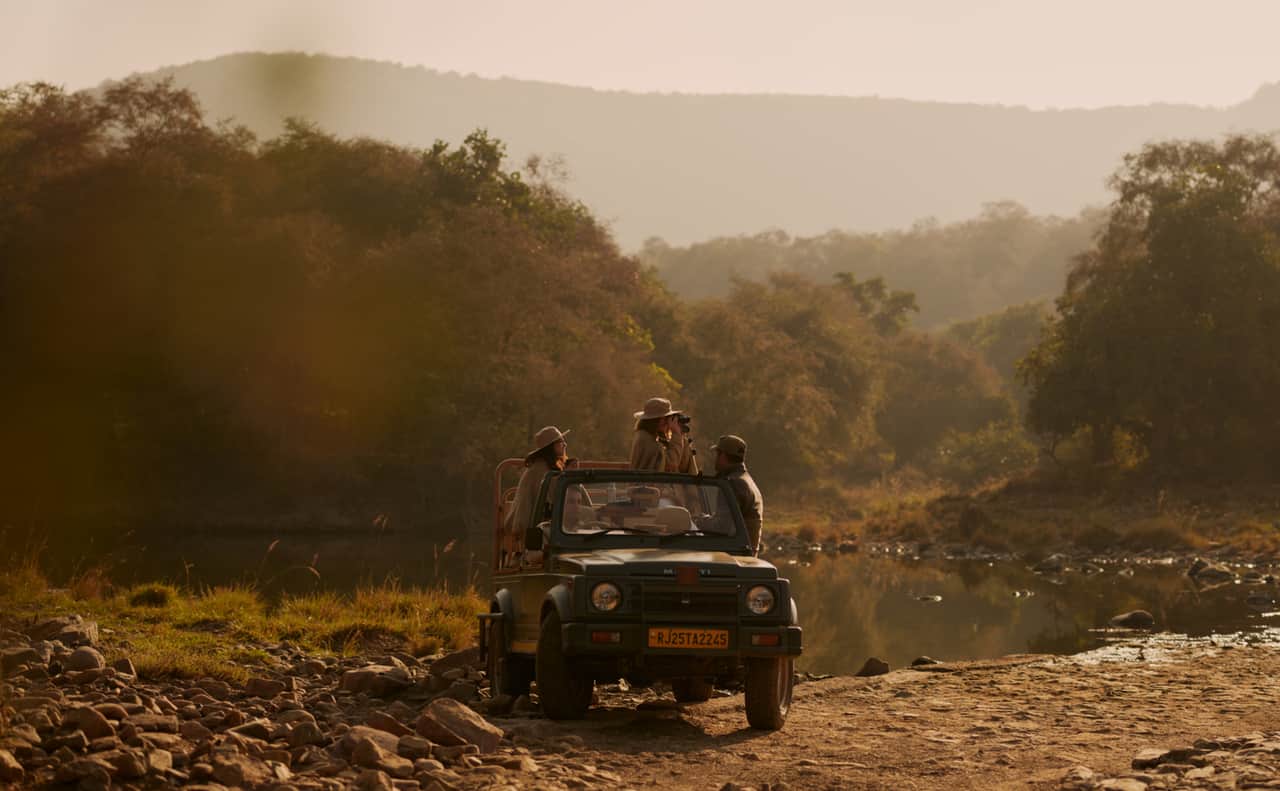
Safari jeep in a misty valley below the Aravalli hills

Ranthambore and Corbett Route

DayPlaceHighlight
Day 1DelhiArrival, train to Sawai Madhopur
Day 2RanthamboreArrival, evening safari
Day 3RanthamboreMorning and evening safaris
Day 4Ranthambore to DelhiMorning safari, train back
Day 5Delhi to CorbettDrive approximately 250 km, evening safari
Day 6CorbettMorning safari, afternoon drive
Day 7Corbett to DelhiReturn drive

Best Months

MonthsRanthamboreCorbett
OctoberOpen, greenZones opening in stages
November to FebruaryCool, cold morningsCool, all main zones open
March to AprilWarm, good visibilityWarm, good birding
May to JuneHot, sightings near waterHot; some zones close
July to SeptemberCore zones closedMostly closed

Frequently Asked Questions

Can I travel directly between Ranthambore and Corbett?

Not practically. Both connect to Delhi, so the tour runs through Delhi in the middle, approximately 380 km from Ranthambore and 250 km from Corbett.

How many days does the tour need?

Six at a minimum, seven comfortably, eight if you want two nights in each reserve without a day that is only travel.

Are the safari permits the same in both parks?

No. Ranthambore permits come from the Rajasthan forest department and Corbett permits from the Uttarakhand forest department, each with its own zones, timings and booking rules.

Which park is better for tiger sightings?

Ranthambore generally offers more frequent sightings per drive because the terrain is open. Corbett offers a denser forest, elephants and richer birdlife. Neither guarantees a tiger.

Is this tour priced as a package?

We quote on enquiry for the full tour or just the Ranthambore leg, based on hotels, safari count in each park and season.