famous tigers of Ranthambore

Famous Tigers of Ranthambore

Ranthambore is unusual among Indian tiger reserves in that its tigers are known by name. Guides, forest staff, photographers and returning visitors talk about Machali, Arrowhead or Riddhi the way people elsewhere talk about a local landmark. This page introduces the tigers you are most likely to hear about, explains how the names and T-numbers work, and, more usefully, explains why fame should not drive how you book your safari.

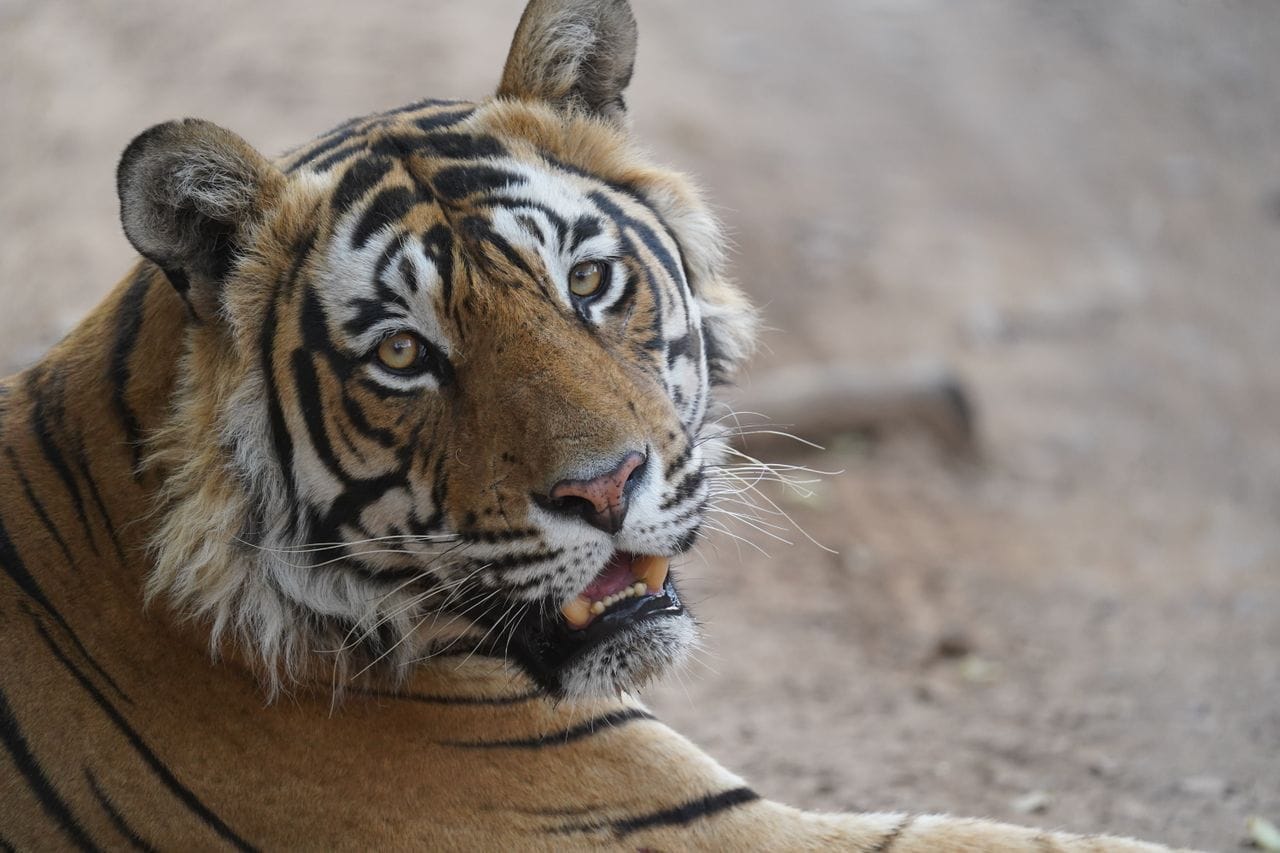
Close-up portrait of a tiger's face in Ranthambore

Famous Tigers

12 pages in this section.

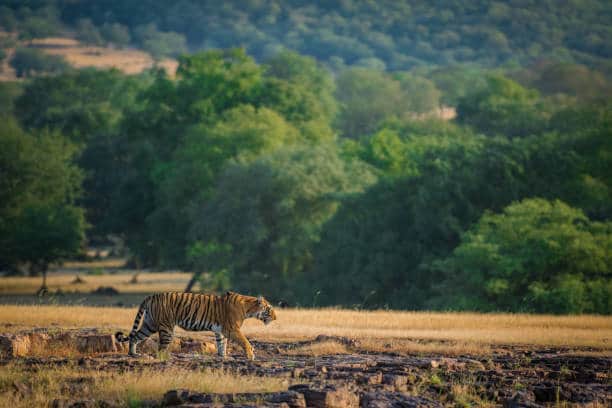
Tiger walking beside a lake at dawn in Ranthambore

Machali (T-16), the Queen of Ranthambore

The Queen of Ranthambore: lakes territory, the crocodile fight, and the female line that still holds her ground.

Read more
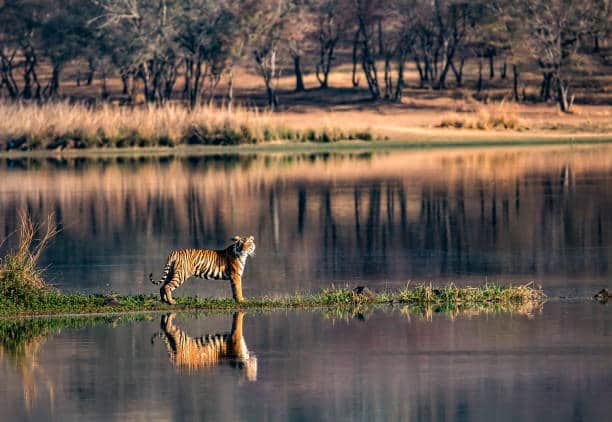
Tiger reflected in the still water of a Ranthambore lake

Krishna (T-19), Heir to the Lakes

Machali's daughter who inherited the lakes and raised Arrowhead, keeping the famous line in zones 3 and 4.

Read more
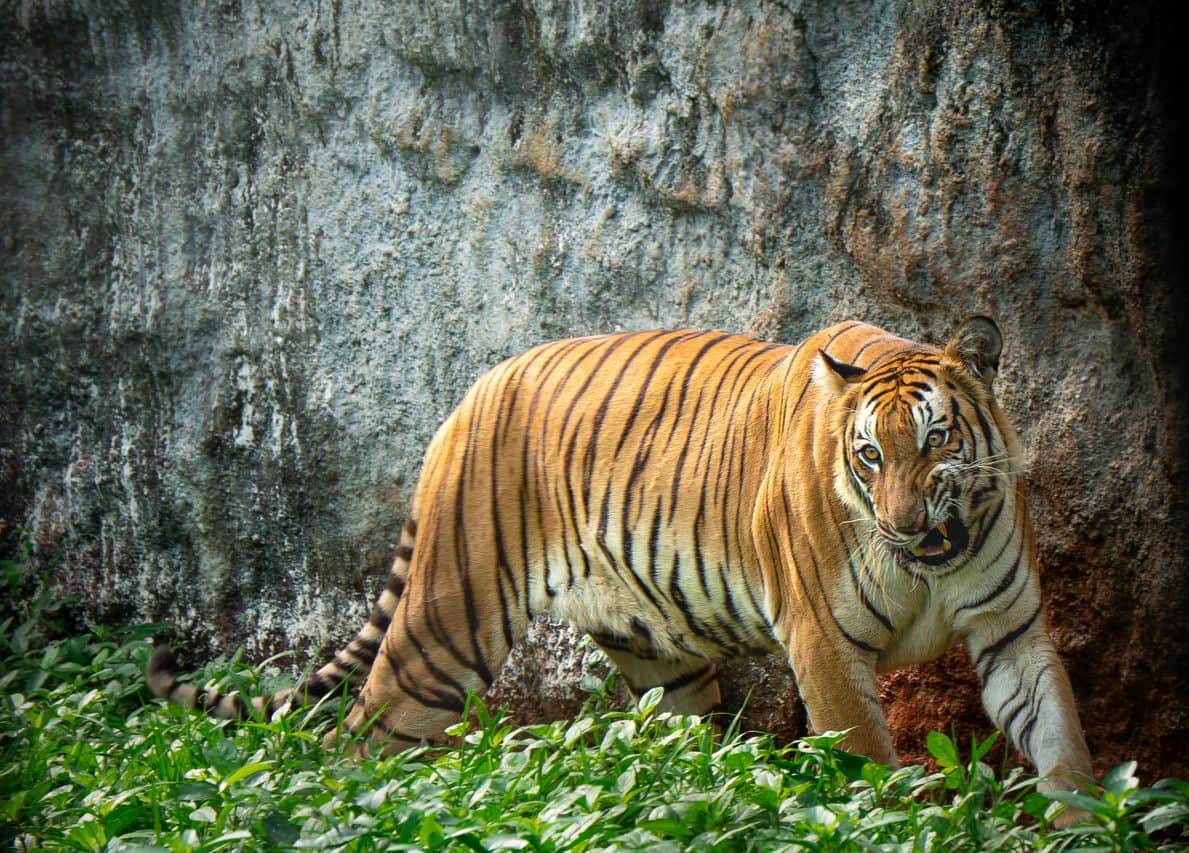
Tiger walking below a rocky cliff face in dry forest

Sundari (T-17), Daughter of Machali

Machali's daughter who settled in Kachida, vanished in 2013, and whose line continues through T-73 in zone 5.

Read more
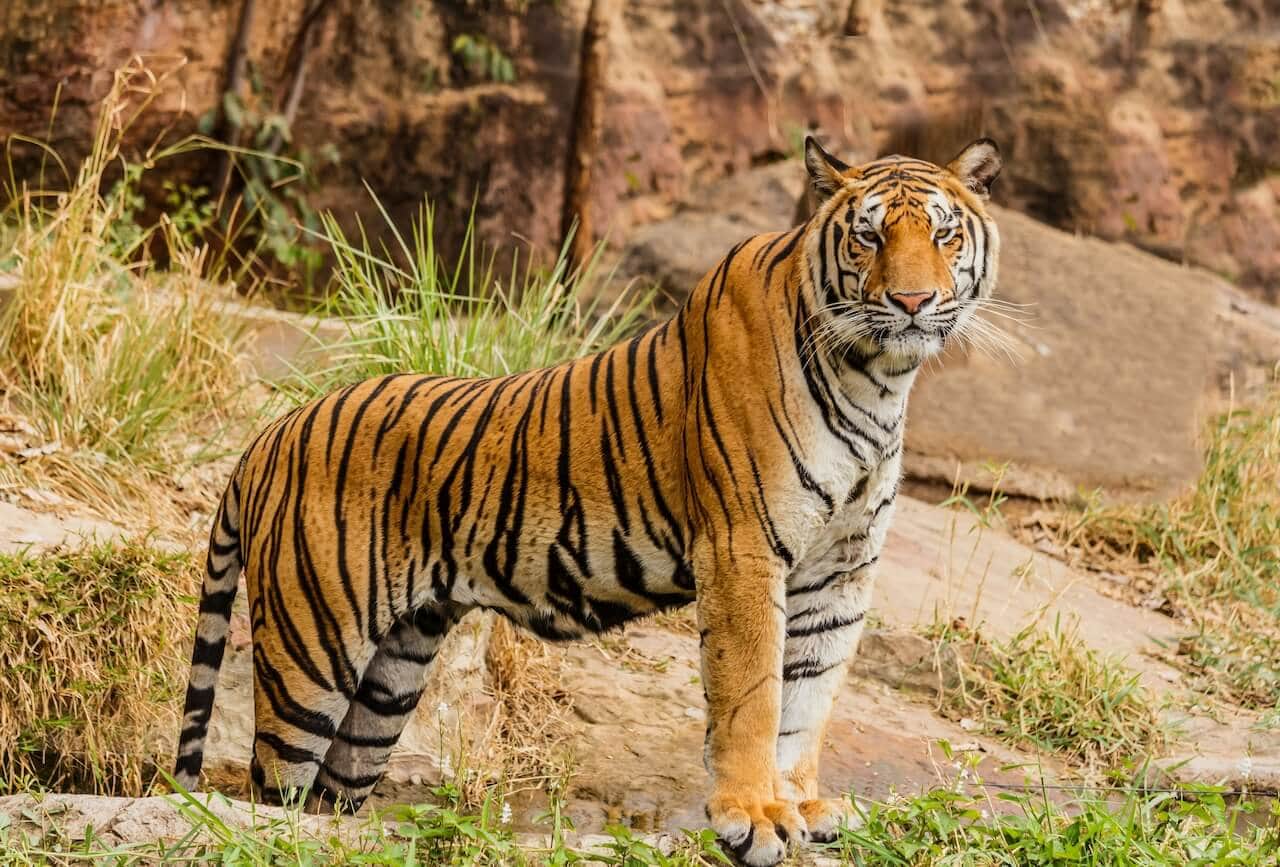
Tiger standing on rocks in Ranthambore

Ustad (T-24), the Relocated Male

The zone 1 male moved to Udaipur in 2015 after a guard's death, and the court case that followed.

Read more
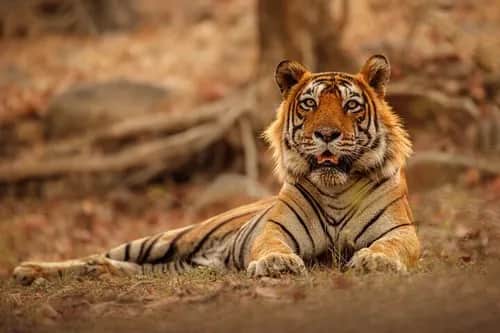
Tiger resting among rocks in the shade

Dollar / Zalim (T-25), the Father Who Raised Orphans

The Kachida male who chased jeeps and raised two orphaned cubs after their mother died in 2011. Died January 2020.

Read more
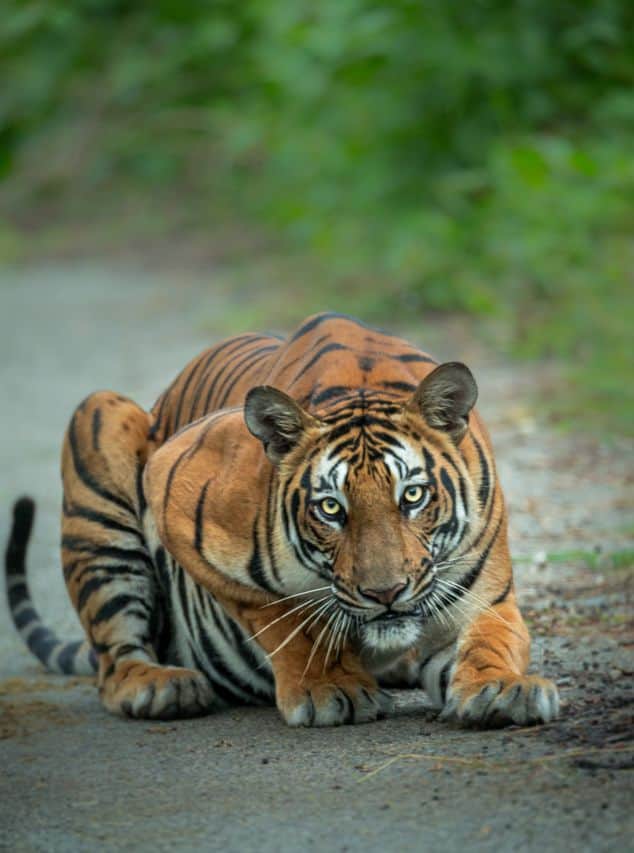
Tiger crouching on a forest road in Ranthambore

Noor (T-39), the Mother of the Zone 1 Side

The tigress of zones 1 and 6 who has raised litter after litter, including Sultan (T-72). Check recent reports for her status.

Read more
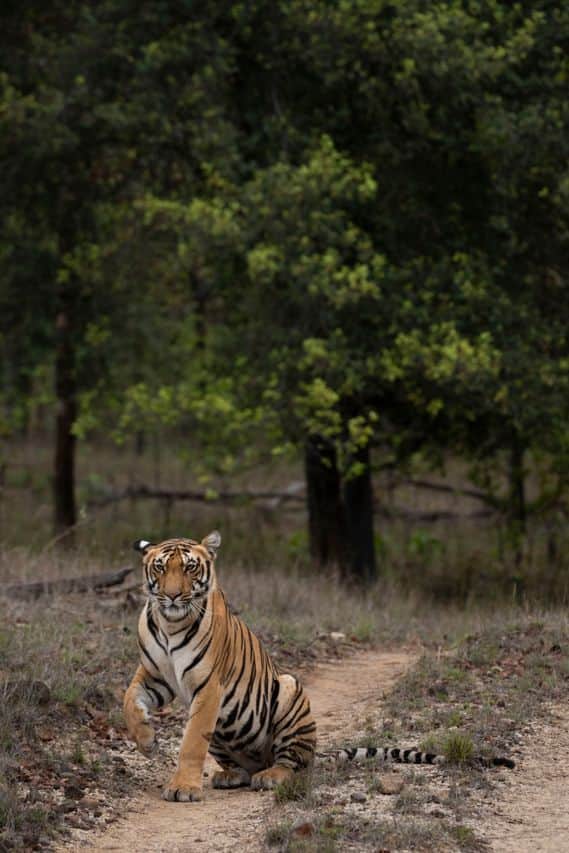
Tiger walking down a forest track

Laila / Junglee (T-41), the Diamond-Marked Tigress

The confident, diamond-marked tigress of zones 4 and 5, known to guides as Junglee.

Read more
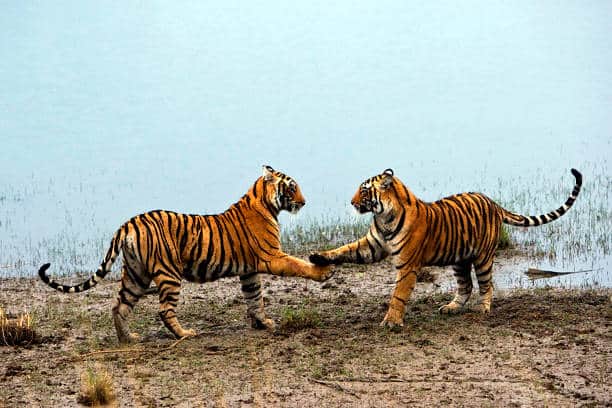
Two young tigers playing at the edge of a lake

Arrowhead (T-84), Tigress of the Lakes

Krishna's daughter who held the lakes and raised Riddhi and Siddhi. Reported to have died in 2025.

Read more
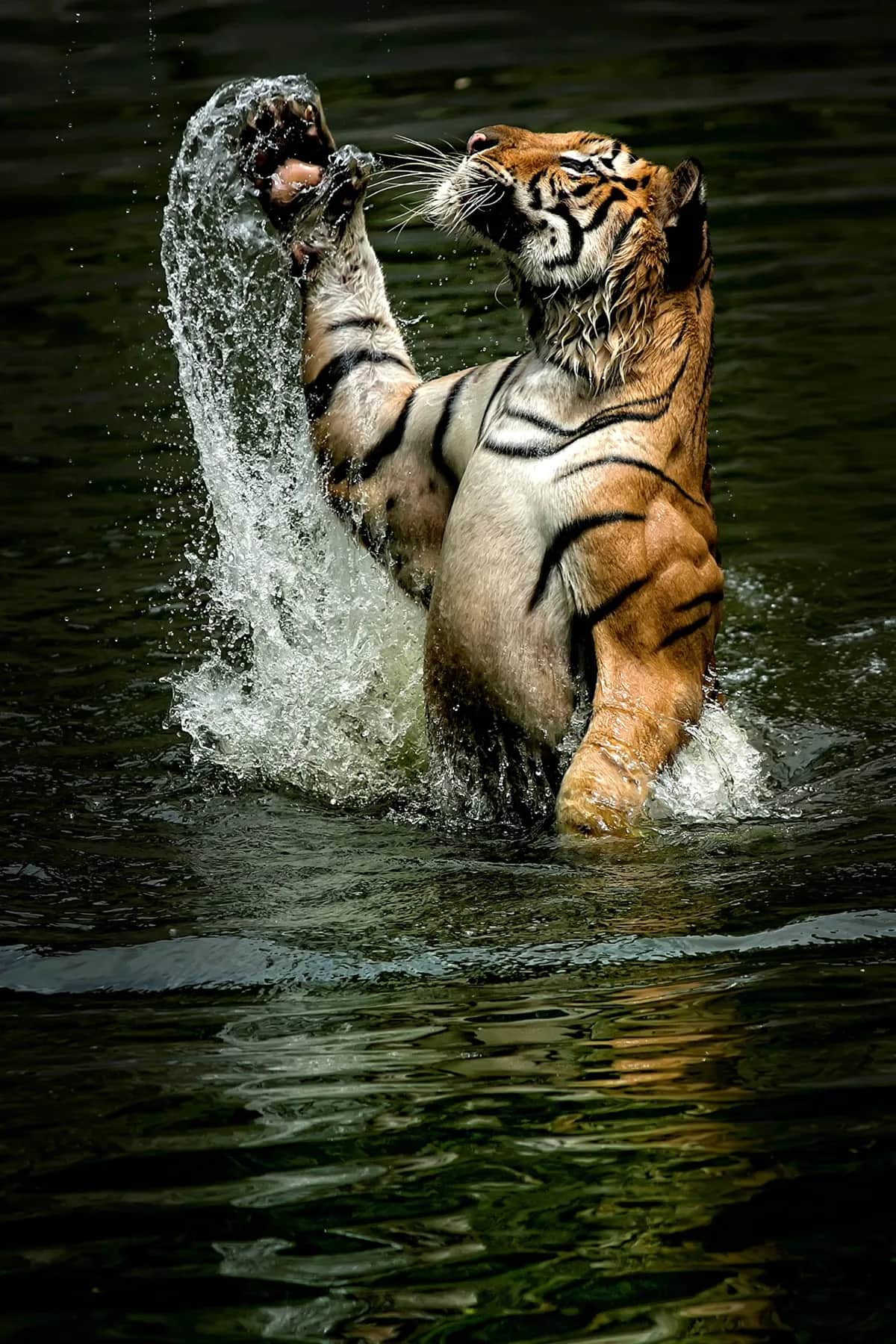
Tiger splashing through shallow water

Riddhi (T-124), the Current Queen of the Lakes

Arrowhead's daughter and Machali's great-granddaughter, reported as the dominant tigress of the lakes as of recent seasons.

Read more
Tiger standing on rocks in Ranthambore

Fateh (T-42), the Male of the Outer Zones

The big male of zone 10 and the Aantri buffer, named for Fateh Singh Rathore. Check recent reports for his status.

Read more
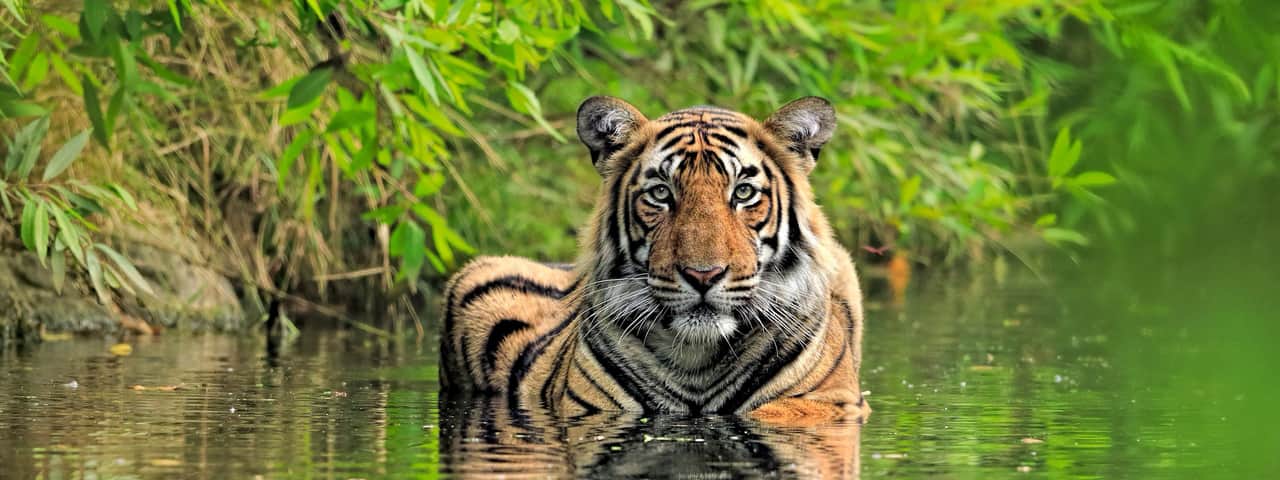
Tiger sitting in green water on a hot afternoon

Jhumru (T-20), Machali's Mate

The lakes male widely reported as Machali's mate and the father of Sundari, Krishna and Satra.

Read more
Tiger walking down a forest track

Romeo (T-6), the Yearning Lover

The zone 2 and 3 male known among guides for patiently following tigresses, and popular with photographers for it.

Read more

How Ranthambore Tigers Get T-Numbers and Nicknames

Every tiger the forest department identifies from camera traps and field records is given a T-number, roughly in the order it was recorded. T-16 was catalogued long before T-124. The nicknames are informal. Some come from a mark on the coat, such as Machali (fish) or Arrowhead, some from behaviour, such as Romeo, and some from a person, such as Fateh, named for the conservationist Fateh Singh Rathore. Nicknames vary between guides and photographers, so the T-number is the reliable identifier when you are reading sighting reports.
The Machali Lineage and Why It Matters

Machali (T-16) held the lakes area around Padam Talao and Rajbagh for well over a decade and raised several litters there. Her daughters Sundari (T-17) and Krishna (T-19) went on to breed, Krishna produced Arrowhead (T-84), and Arrowhead produced Riddhi (T-124) and Siddhi. That single female line has held the most-visited part of the park almost continuously since the late 1990s, which is why the lakes zones have such a long record of sightings and why so much of Ranthambore's tiger tourism history reads like a family tree.

Which Zones the Well-Known Tigers Are Linked To

As of recent seasons, the lakes side of zones 3 and 4 is associated with Riddhi and her line, the zone 1 and 6 side with Noor and her offspring, the Kachida and Lakarda side of zones 4 and 5 with Laila and Sundari's descendants through T-73, and the zone 10 and Aantri side with Fateh. Treat every one of those as a starting point rather than a fact. Territories shift when a young male arrives or a tigress has cubs, and zone boundaries themselves change with forest department notifications.

Use Recent Sighting Reports, Not Fame, When Booking

A tiger that was famous three seasons ago may have died, moved, or been pushed out. When we advise guests on zones we look at the last two or three weeks of reports from guides and drivers, not at which names are well known. Zone allocation is done by the forest department permit system, so you cannot simply pick the zone a particular tiger uses. What you can do is book more than one safari, spread them across slots, and let us request zones that have been active recently. That gives better odds than chasing any single animal.

How Many Tigers Are in Ranthambore Now

Ranthambore holds 72 tigers as of July 2026, according to figures released by Rajasthan's Chief Wildlife Warden, out of a state total of 149. That is up from around 25 in 2005. The famous individuals on this page are a small fraction of that number. Most of the park's tigers have T-numbers and no nickname at all, and a sighting of an unnamed tiger is exactly as real, and often just as good for photographs, as a sighting of a celebrity. Our tiger count page goes into how the figure is measured and why other sources differ.

Ethics on Safari

Named tigers attract crowds, and crowds create pressure. Vehicles are meant to keep their distance, stay on the tracks, keep noise down and not block a tiger's route to water or cover. Guides who push closer for a better photo risk fines and, more importantly, stress the animal. Machali's long life owed a lot to a park that let her be. If your driver behaves well and a tiger walks away, that is the correct outcome. Do not ask a guide to chase, and do not reward one who does.

What the Individual Pages Cover

Each tiger below has its own page with identity marks, life story, associated zones, lineage, famous moments and practical notes on planning a safari with that tiger in mind. Where the current status is uncertain we say so. Ranthambore does not issue obituaries, and reports of a tiger's death or disappearance often circulate among guides for months before being confirmed, so anything marked "reported" should be read as exactly that.

Tiger walking beside a lake at dawn in Ranthambore
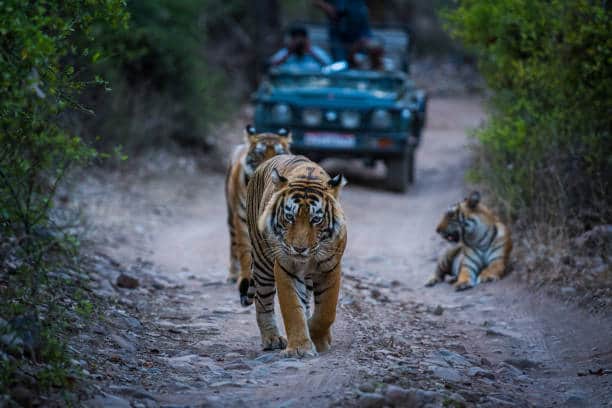
Tigers on a forest track with a safari jeep behind them

Famous Ranthambore Tigers at a Glance

TigerT-numberAssociated zones (historic or recent)Status
MachaliT-16Zones 3 and 4, lakesDeceased, August 2016
KrishnaT-19Zones 3 and 4, lakesReported absent in recent seasons
SundariT-17Zone 5, Kachida sideDisappeared 2013, presumed deceased
UstadT-24Zone 1, Sultanpur sideRelocated to Sajjangarh, Udaipur, 2015
Dollar / ZalimT-25Zones 4 and 5, KachidaDeceased, January 2020
NoorT-39Zones 1 and 6Reported alive; check recent reports
Laila / JungleeT-41Zones 4 and 5Reported alive; check recent reports
ArrowheadT-84Zones 3 and 4, lakesReported deceased, 2025
RiddhiT-124Zones 3 and 4, lakesReported alive and dominant
FatehT-42Zone 10, Aantri and bufferReported alive; check recent reports
JhumruT-20Zones 3 and 4, lakesNot reported in recent seasons
RomeoT-6Zones 2 and 3Reported alive; check recent reports

Frequently Asked Questions

Which is the most famous tiger of Ranthambore?

Machali (T-16), the Queen of Ranthambore, who held the lakes territory for over a decade, became the most photographed tigress in the world and died in August 2016. Her descendants Arrowhead and Riddhi are the best known tigers of the lakes zones today.

Can I book a safari to see a specific tiger?

No. Zone allocation is done by the forest department permit system and tigers move freely between zones. We can request zones that have been active in recent sighting reports and advise on how many safaris to book, but no operator can guarantee a particular tiger or any sighting at all.

What does the T in T-16 or T-124 mean?

T simply stands for tiger. The forest department assigns numbers roughly in the order individuals are catalogued, so lower numbers are older records. Nicknames are unofficial and vary between guides.

Are the famous tigers in every zone?

No. Each tiger holds a territory that usually overlaps one or two zones. The lakes zones 3 and 4 have the longest record of named tigers, but zones 1, 2, 5, 6 and 10 all have their own regulars. Recent reports matter more than reputation.

How do I know if a famous tiger is still alive?

Ask a local guide or check recent sighting reports. Deaths and disappearances are often known among drivers for weeks before any public confirmation, so treat online lists, including this one, as a guide rather than a record.