

Inside the Park or Outside It
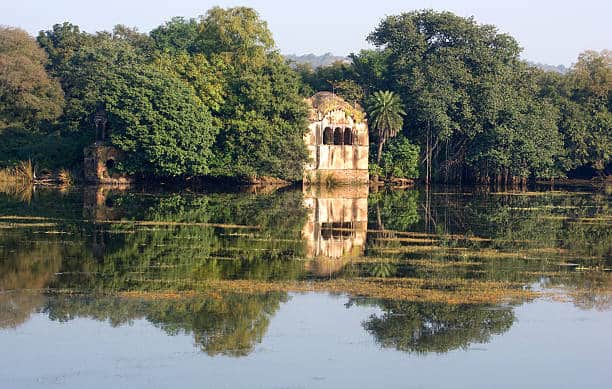
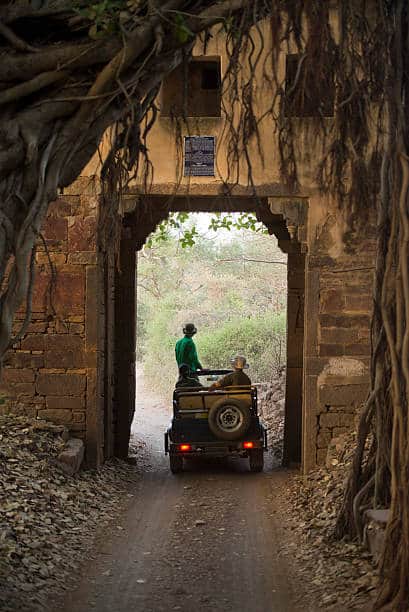
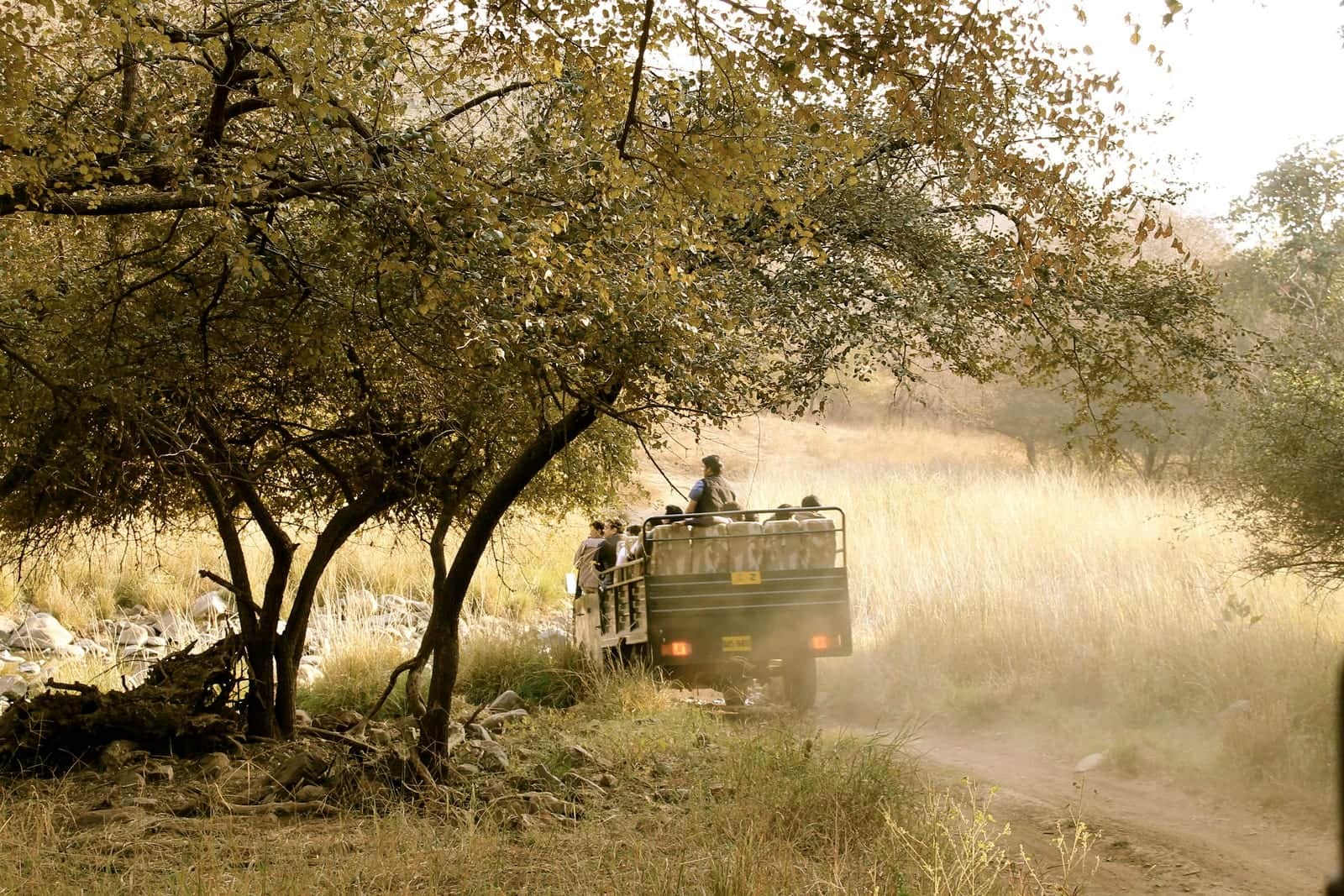
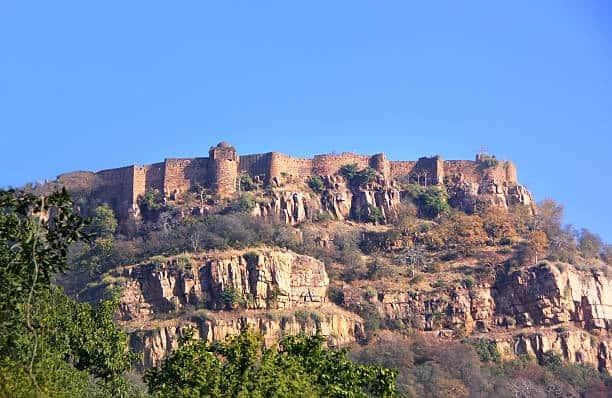
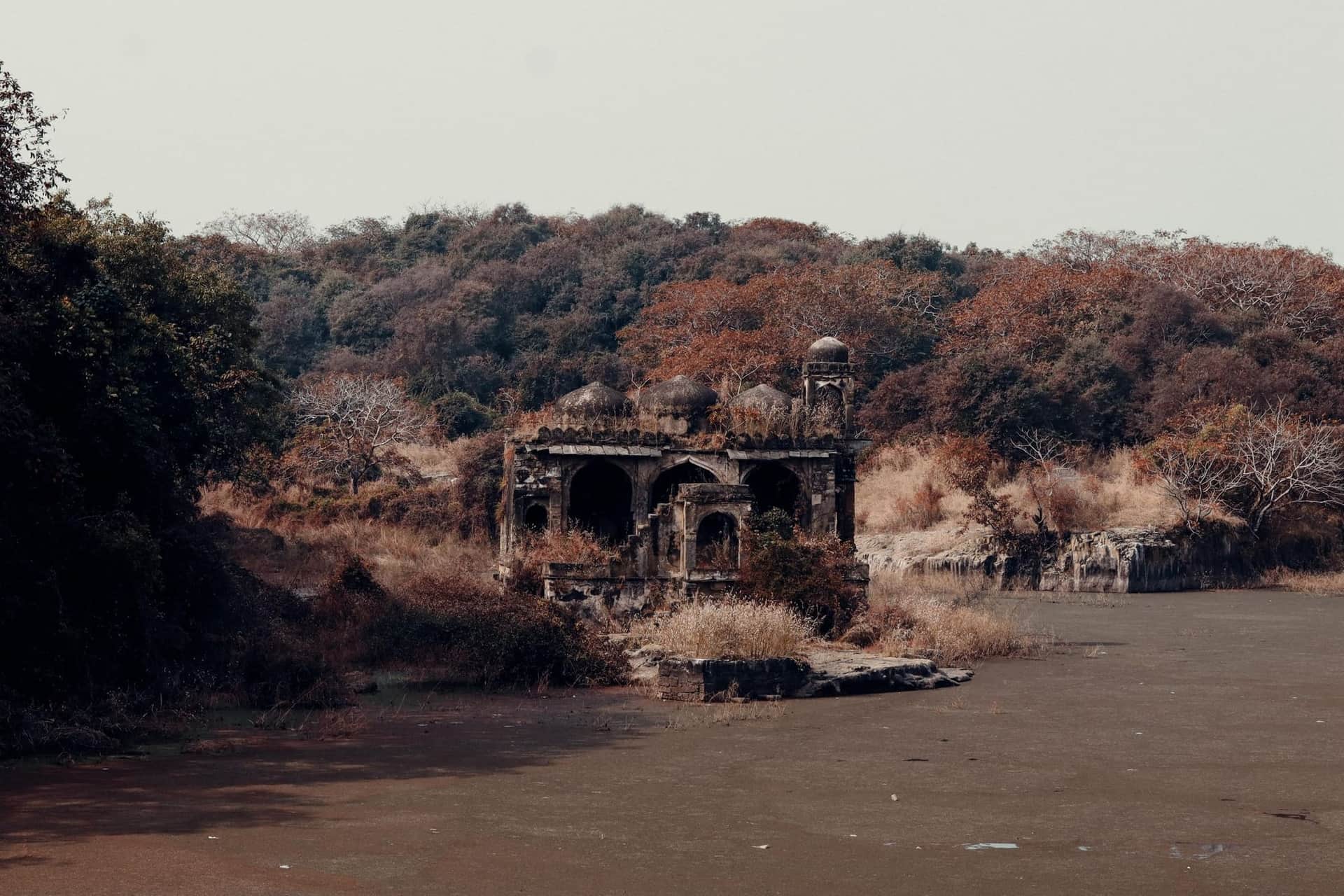
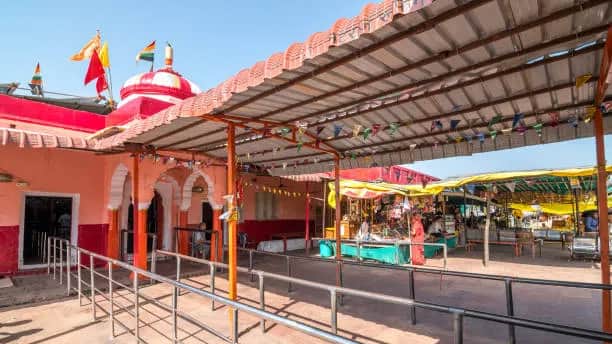
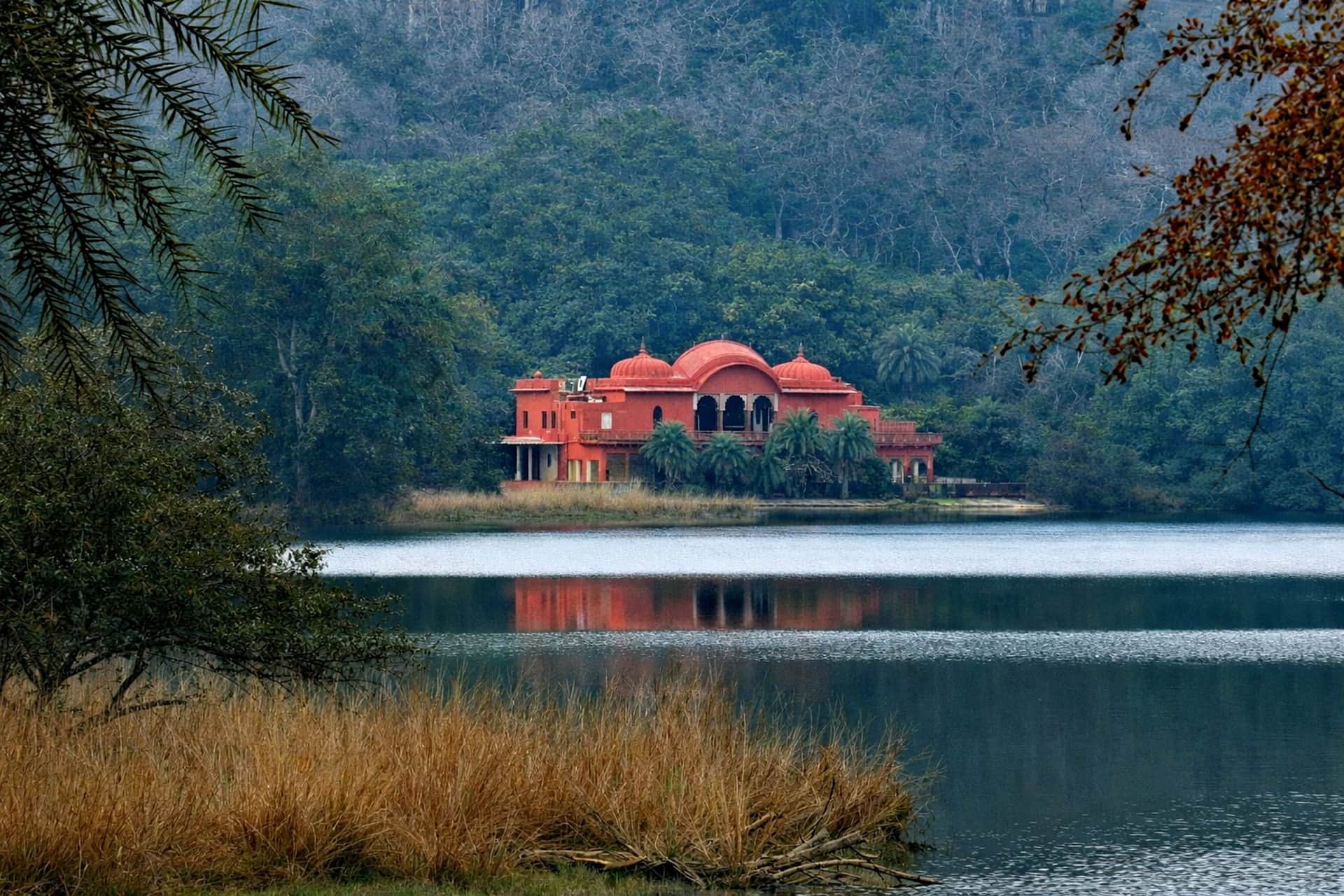
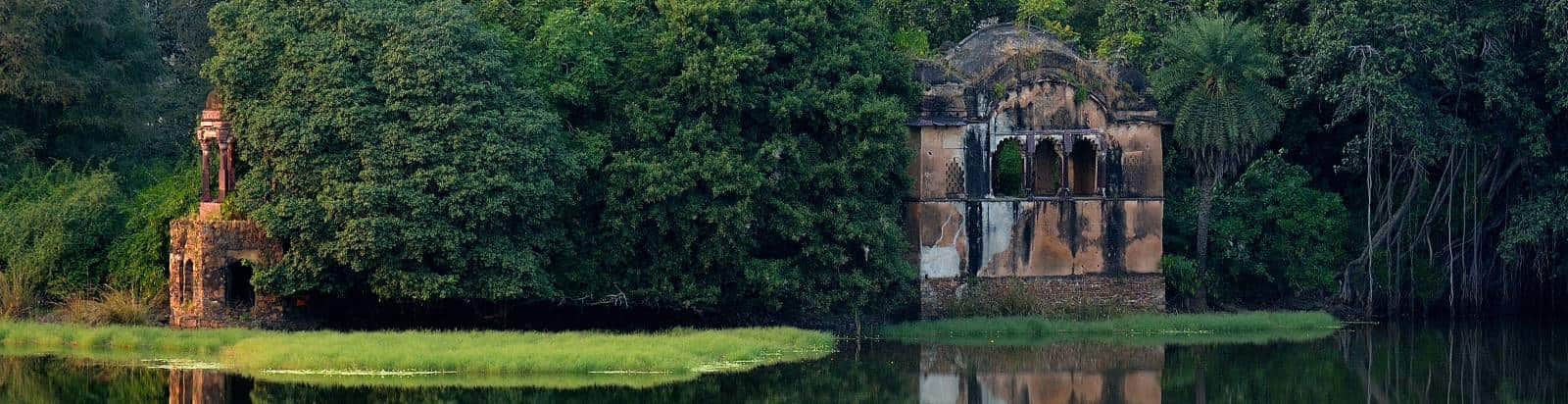
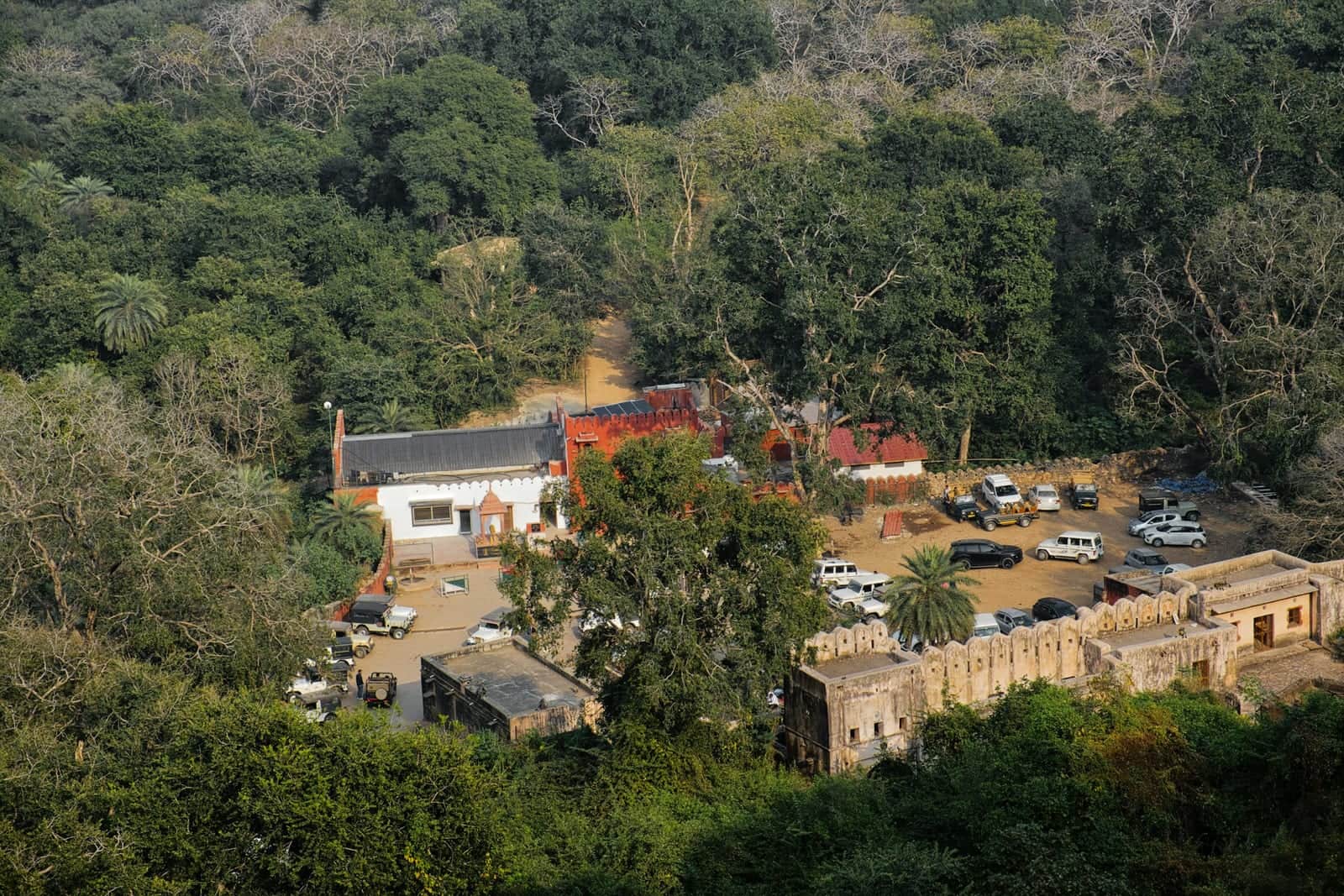
The first thing to sort out is which side of the park boundary a place sits on. Padam Talao, Raj Bagh Talao, Malik Talao, Jogi Mahal, Kachida Valley, Bakaula and the Lakarda and Anantpura side are all inside the tourism area. You reach them only in a permitted jeep or canter, and only if your permit is for the zone they fall in. Ranthambore Fort and the Trinetra Ganesh Temple sit on the hill inside the park boundary but are reached by a separate public road, so they sit outside the safari permit system. Surwal Lake is outside the park altogether, on the Sawai Madhopur side.
What You See on Safari and What You Visit on Your Own
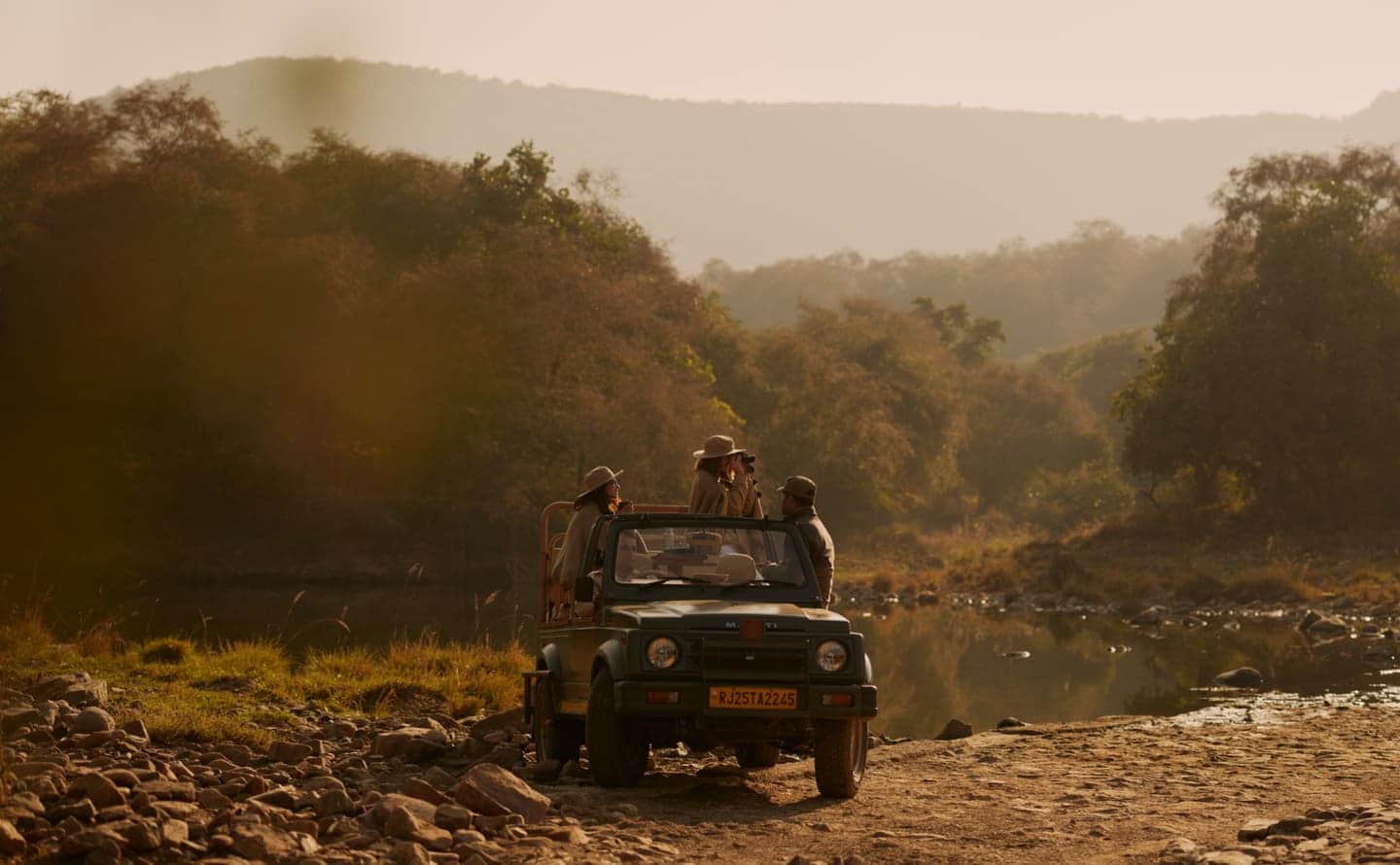
On a safari you do not choose stops. The driver follows the permitted tracks of your zone, and the lakes, ruins and valleys appear as part of the drive. If your permit is for zone 3 you will most likely pass Padam Talao and Jogi Mahal; zone 4 covers the Malik Talao side; zone 5 brings in Kachida Valley. Zone numbers can change with forest department notifications, so treat these as the usual pattern rather than a promise. The fort, the temple and Surwal Lake are the opposite: you go when you like, in daylight, with no ticket for the fort or the temple.
Fitting Sightseeing Around Safari Slots
Morning safaris report before sunrise and return by mid-morning; evening safaris leave early afternoon and return around sunset. That leaves a block of roughly four hours in the middle of the day, which is exactly when the fort climb is hottest. Our usual advice is to do the fort and temple on the afternoon you arrive, or on the morning of your departure day if you do not have a safari booked. Surwal Lake works best at first light, so it suits a day when you have an evening safari and a free morning, and it is a winter-only outing in most years.
A Suggested Two-Day Plan
Day one: reach Sawai Madhopur by late morning, check in, eat, and take the evening safari. Day two: morning safari, breakfast, then rest through the heat of the day. Around three in the afternoon in winter, or later in summer, drive up to the fort, climb to the temple and walk the ramparts above Padam Talao until the light softens, then come down before dusk. If you have a third morning, go to Surwal Lake at sunrise between November and March, or book a second safari for a different zone. Two safaris in two different zones show you more of the lakes and valleys than two in the same zone.
Photography at the Lakes and the Fort
The lakes photograph best in the first hour of a morning safari, when mist sits on Padam Talao and the Raj Bagh domes reflect in still water. Carry a mid-range zoom for the setting and a longer lens for anything on the far bank. From the fort, the wide view over Padam Talao and the forest is best in late afternoon when the sun is behind you. Keep cameras and phones zipped away around the fort monkeys, which snatch anything held loosely. Drones are not permitted anywhere in the park or over the fort.
Heat, Water and What to Carry
From March onwards the fort climb becomes hard work by late morning. Carry more water than you think you need, wear a hat and closed shoes, and start the climb either early or after three in the afternoon. There are small stalls near the temple in most seasons but do not rely on them. The steps are uneven and steep in places, so people with knee trouble should allow extra time and use the handrails where they exist. In winter, mornings at Surwal Lake and on safari are cold enough for a proper jacket, even though afternoons feel warm.
Permits and Zones, Briefly
Every safari runs on a forest department permit that fixes the date, slot, vehicle and zone. We book the permit for you, but the zone is allotted by the department, and we cannot promise a specific lake or valley. If seeing Padam Talao or the Raj Bagh ruins matters to you, tell us when you book and we will explain what is realistic for your dates. The fort and temple need nothing from us at all; we can arrange a car and driver, or you can take a local taxi from town.