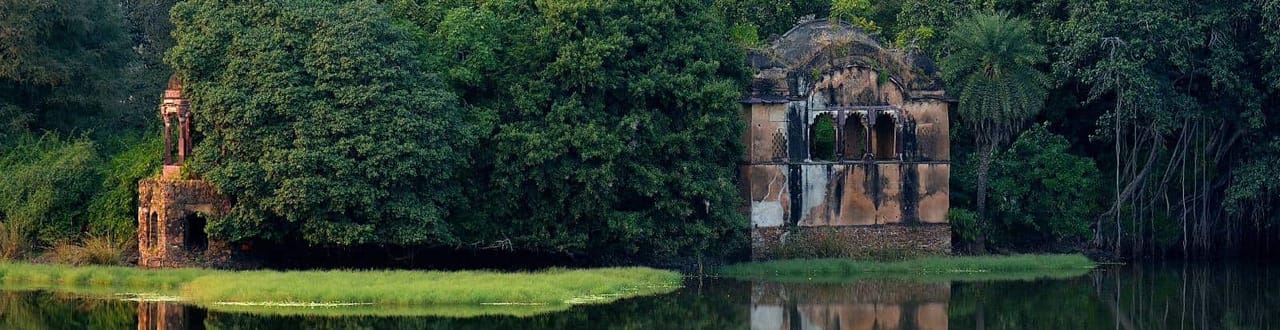
Raj Bagh ruins Ranthambore

Raj Bagh Talao and Raj Bagh Ruins

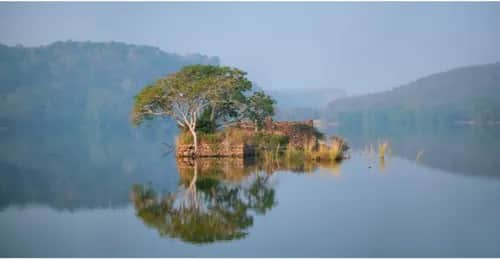
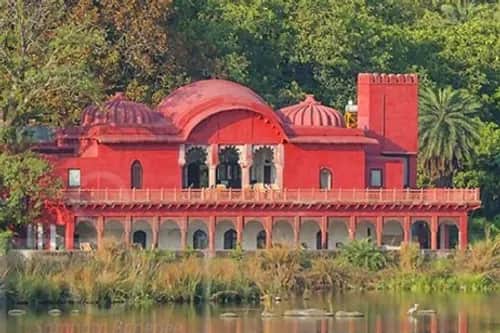
Raj Bagh Talao is the middle lake of the three below the fort, and the ruined pavilions on its edge are the most photographed setting in the park. The tigress Machali held this area for years, and most of the famous Ranthambore pictures of a tiger in front of old stone were taken here. It is inside the park and seen only on safari.

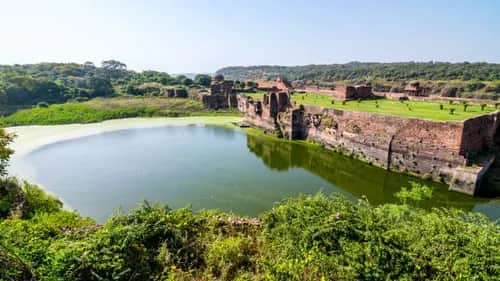
Raj Bagh ruins at the edge of Raj Bagh lake
Location
Inside the park, between Padam Talao and Malik Talao
Safari zone
Usually zones 3 and 4; zones can change by notification
Best time
Early morning or the last hour of an evening drive
Entry
Safari permit only

Background

The Raj Bagh ruins are the remains of pavilions, domed chhatris and arched walls built at the lake edge during the fort's later centuries, when this valley was a royal garden and hunting ground. Nobody restored them, and trees have grown through the stonework. Their fame today comes from the tigers: the tigress Machali, who lived here through the 2000s and was probably the most photographed wild tiger in the world, used the ruins as part of her territory, and her daughters and their cubs held the lakes after her. Her name is still attached to this stretch.
What You See

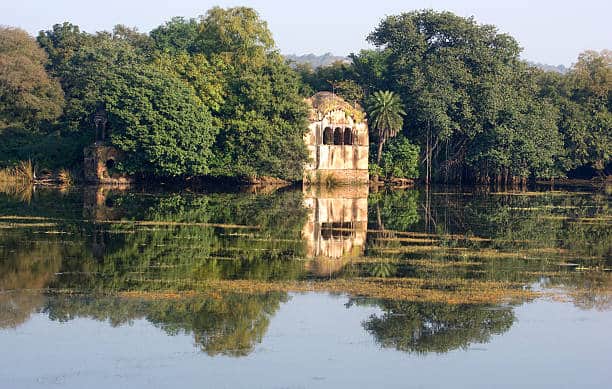
The drive brings you along the shore with the ruins standing in and beside the water: domes reflected in the lake, arches half hidden in grass, and a low island of stone that sambar wade out to. Tigers use the ruins for shade and the banks for hunting, so this is where drivers slow down and listen. Marsh crocodiles line the mud, and the shallows hold egrets, herons, jacanas and painted storks in season. Even on a drive with no tiger, the ruins against the water are the picture most guests take home.

Which Zone and How to Reach

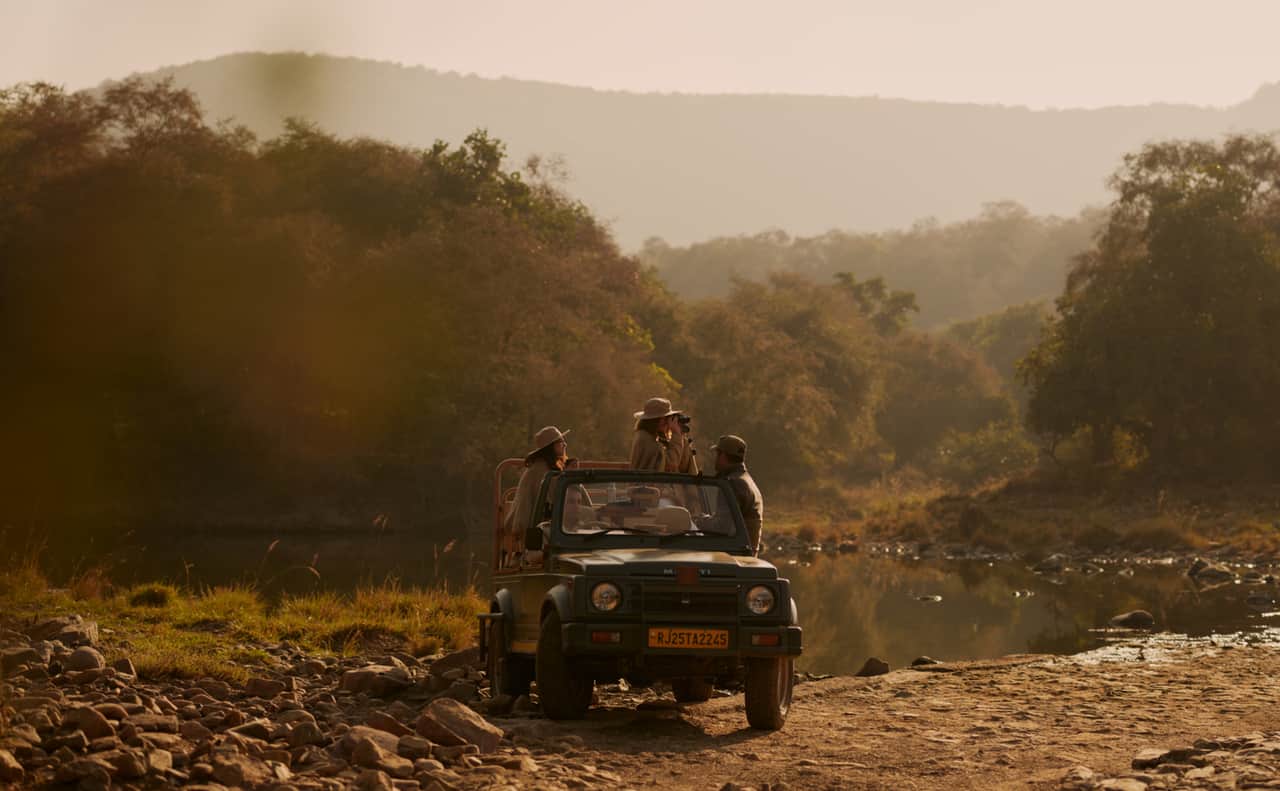
Raj Bagh lies inside the tourism area and is reached only by permitted safari vehicle. At the time of writing its shores are covered from the zone 3 and zone 4 routes, which approach from opposite ends of the lakes. Zone boundaries change with forest department notifications and the department allots zones when permits are issued, so we cannot promise a Raj Bagh drive; we can tell you which zones cover it on your dates and request them. Booking two safaris gives you the best chance of one being on the lake side.

Best Time and Season

Early morning gives still water and low light on the domes; the last hour of an evening drive gives warm light from the other side. October to February is the comfortable season with high water and the ruins standing clear of the bank. In April and May the water shrinks back from the stone, the grass burns off, and reported tiger activity at the lakes rises because the animals have fewer places to drink. It is hot, but photographers who want tigers and ruins together often choose those months.

Photography Tips

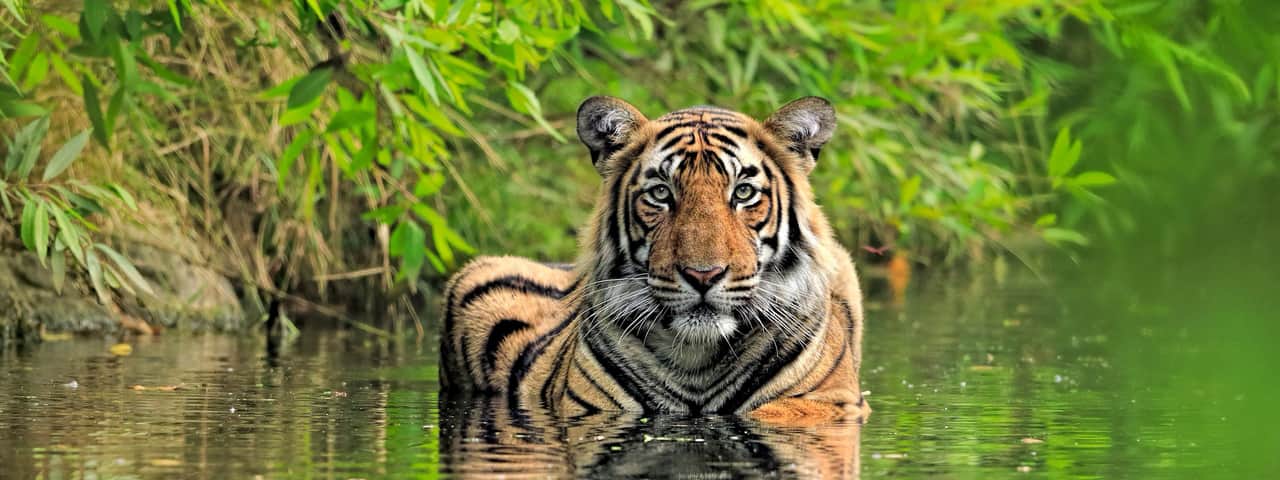
Shoot the ruins wide before you look for anything else; the setting is the point. A mid-range zoom frames a dome with its reflection, and a longer lens picks out a sambar or crocodile against the stone. If a tiger appears, resist filling the frame with it; the pictures people remember from Raj Bagh show the animal small against the architecture. Ask the driver to stop where the water is between you and the ruins for reflections. Morning mist can hide the far bank for the first half hour, so be patient.

Combining with a Safari

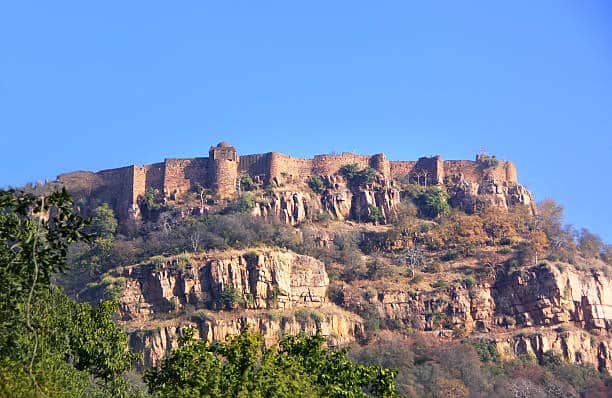
Raj Bagh is part of a drive rather than a stop. Tell us when you book that the lakes and ruins matter to you and we will explain what the current zone allocation looks like. If you are taking two or three safaris, we suggest spreading them across different zones so that at least one runs the lake side and the others show you the valleys. The fort ramparts give a distant view of the lakes valley without a permit, though Raj Bagh itself is mostly hidden by the ridges from up there.

Practical Tips

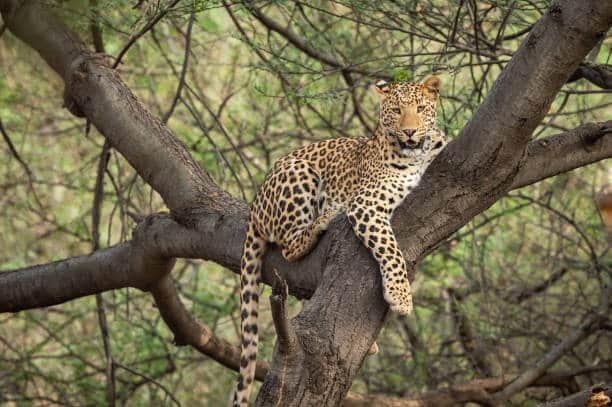
The stretch along Raj Bagh is where drivers spend the most time waiting, so bring water and something warm in winter, and a hat and sun protection in summer. Keep noise down when the vehicle stops; alarm calls from sambar and langur are what the guide is listening for. Nobody gets down from the vehicle here, and crocodiles are a good reason for that. Binoculars help you scan the far shore and the shade under the ruins, which is where a resting tiger is most often first spotted.

Lakeside pavilion reflected in a Ranthambore lake with forest behind
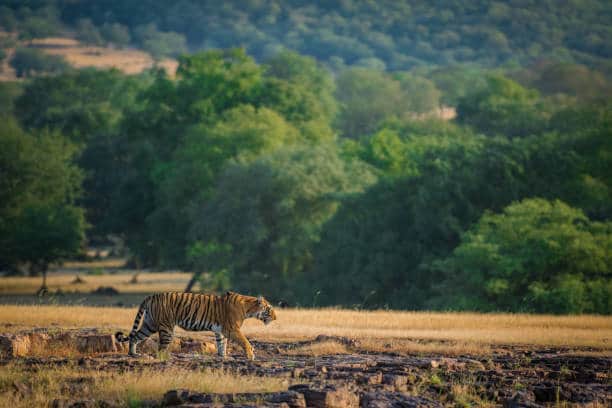
Tiger walking beside a Ranthambore lake at dawn

Visiting Raj Bagh at a Glance

ItemDetail
What it isMiddle lake of three, with ruined pavilions and domes on the shore
ZoneUsually zones 3 and 4; confirmed at booking
AccessSafari vehicle only
Known forTigers photographed against the ruins; Machali's former territory
Best lightEarly morning and the last hour of evening
WildlifeTigers, sambar, marsh crocodiles, painted storks, herons
SeasonOctober to June; park closed July to September

Frequently Asked Questions

Which zone has the Raj Bagh ruins?

Both zone 3 and zone 4 reach the Raj Bagh shore at the time of writing, from different directions. Zone boundaries can change by forest department notification, so we confirm the current position when you book.

Who was Machali?

A tigress who held the lakes area through the 2000s and became the most photographed wild tiger anywhere. She died in 2016 at about nineteen. Her descendants continued to hold the lakes, which is why the name is still attached to Raj Bagh.

Can I walk to the Raj Bagh ruins?

No. The ruins are inside the tourism area and are seen only from a permitted safari vehicle. There is no walking or private vehicle access.

Is Raj Bagh the best place to see a tiger?

It is one of the best known settings, especially in summer, but no part of the park guarantees a sighting. Drivers spend time here because the lakes concentrate animals, not because a tiger is certain.

What are the ruins?

Pavilions, domed chhatris and garden walls from the fort's later centuries, when this valley was a royal garden and hunting ground. They have never been restored and trees grow through them.