Kachida Valley Ranthambore

Kachida Valley

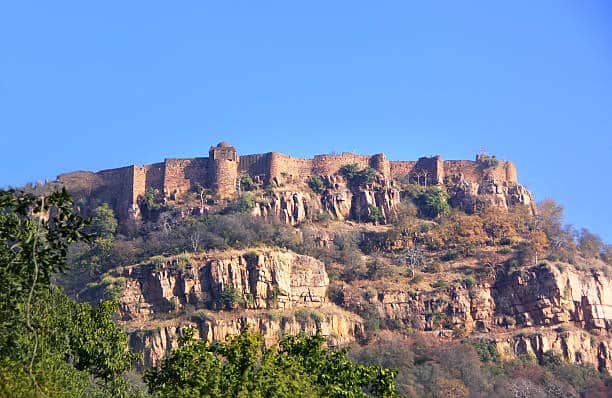
Kachida Valley is the rocky, broken country of low hills and outcrops on the outer edge of the tourism area, on the zone 5 side at the time of writing. It is quieter than the lakes and is the part of the park most often mentioned for leopards and sloth bears. It is inside the park and seen only on safari.

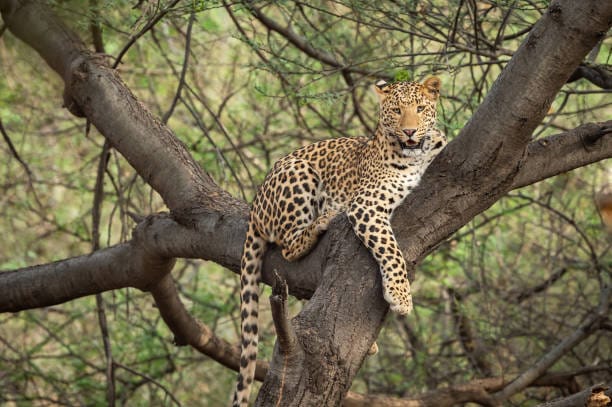
Leopard resting on a tree branch
Location
Inside the park, outer hills away from the lakes
Safari zone
Usually zone 5; zones can change by notification
Best time
Evening slot, October to March
Entry
Safari permit only

Background

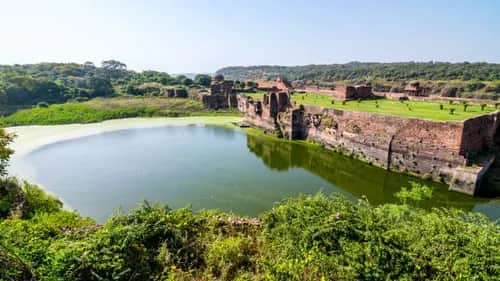
Kachida is a valley of rocky outcrops, dry stream beds and low scrub-covered hills where the Aravalli and Vindhya ranges meet, which is what gives Ranthambore its broken, cliff-edged look. It has never had the lakes' fame, which is exactly why some regular visitors prefer it. Leopards are pushed to the outer hills by the tigers that hold the lakes, and the rocky ground suits them, so Kachida became known as the leopard corner. Sloth bears are reported here often, feeding on termite mounds and fruiting trees in season.
What You See

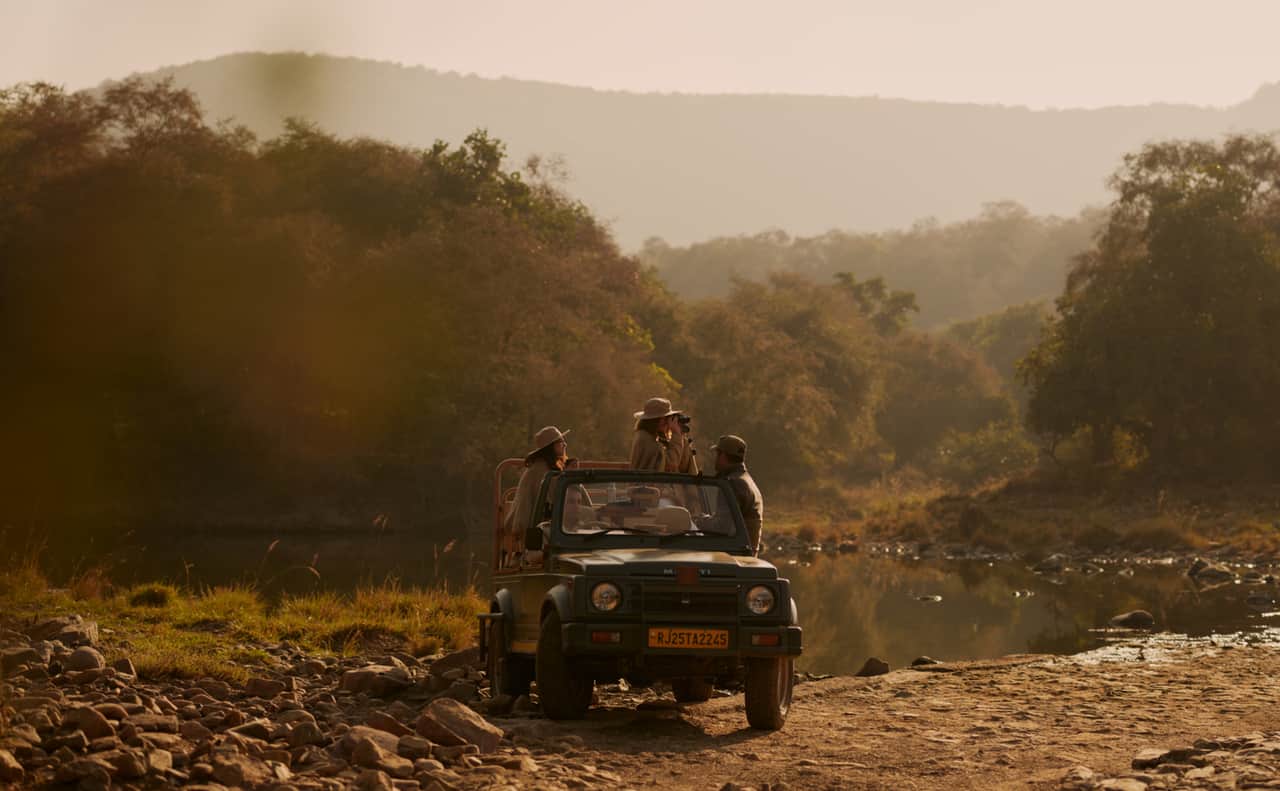
The drive is different from the lakes: narrower tracks between boulders, dry nullahs, dhok trees on the slopes and long views across ridges. Leopards are seen on rocks and in trees, usually early or late. Sloth bears turn up at ant hills and along the nullahs, especially in the cooler months and again when the ber and mahua fruit. Tigers do pass through and are seen in most seasons, but less predictably than at the water. Chinkara, nilgai and hyena are reported more here than on the lake side, and the birdlife is dry-country: partridges, bushchats, eagles.

Which Zone and How to Reach

Kachida lies inside the tourism area and is reached only by permitted safari vehicle. At the time of writing it is on the zone 5 route, which enters from a different gate than the lake zones and takes longer to reach from hotels on the town side. Zone boundaries change with forest department notifications and the zone is allotted when the permit is issued, so we confirm the current position for your dates. If you want Kachida, say so; it is easier to get than the lake zones on most dates.

Best Time and Season

The evening slot suits Kachida. Leopards move as the light goes, and the low sun across the rocks is the best light of the day. October to March is comfortable and is when sloth bears are reported most. Summer here is hotter than the lakes because there is little water and no shade on the tracks, but the few water holes then concentrate what is there. After a poor monsoon the valley dries early and the wildlife moves; after a good one it stays green well into winter. The park is closed in the monsoon.

Photography Tips

Kachida rewards a long lens and patience. Leopards on a rock or a branch are usually some way off and partly hidden, so a 400 mm or more is useful, and the vehicle will be stationary while you scan. The rocky backgrounds are pale, so watch your exposure against them. Sloth bears are dark and move fast; set a higher shutter speed than you would for a tiger at the lake. The landscape shots are good too: ridges stacking away in the evening haze, best taken with a mid-range zoom from the higher points of the track.

Combining with a Safari

If you are taking two safaris, one on the lakes side and one in Kachida gives you the two faces of the park: water and ruins on one, rocks and hills on the other. Photographers who have already had their lake pictures often ask for Kachida on the second or third drive. It also works as a first safari for guests who want a quieter drive with fewer vehicles. Tell us when you book and we will request it; we can also pair it with a gate-side pickup so the longer approach does not eat into your morning.

Practical Tips

The tracks are rougher than the lake routes, so people with back trouble should hold on and choose the front seats of the jeep. Carry more water in summer; there is no shade to speak of. Do not expect the guide to promise a leopard; sightings are reported often but are far from daily. In winter the evening drive ends after sunset, and the valley gets cold quickly once the sun is behind the ridges, so bring a jacket even in October. Keep quiet at stops, since bears and leopards leave at the first noise.

Safari jeep in a misty valley below the Aravalli hills
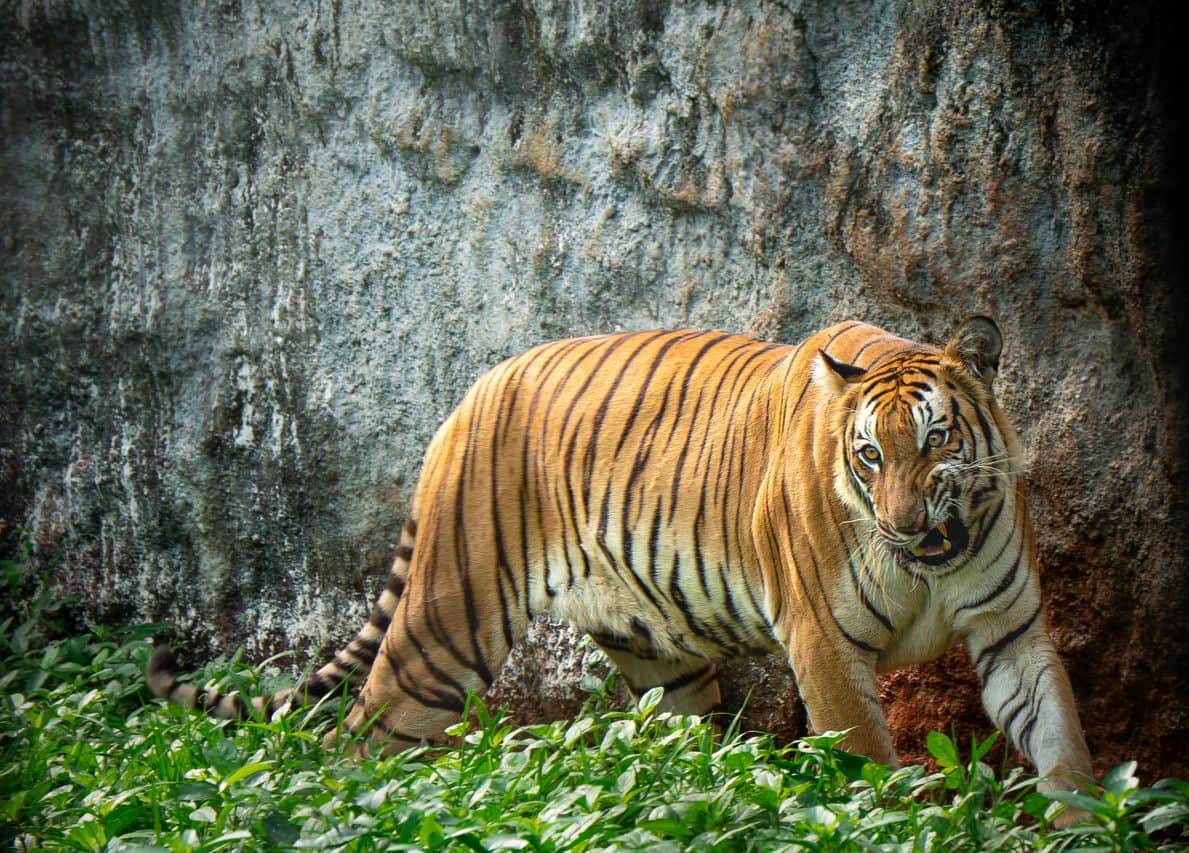
Tiger walking below a rocky cliff face

Visiting Kachida Valley at a Glance

ItemDetail
What it isRocky valley of outcrops and low hills on the outer tourism area
ZoneUsually zone 5; confirmed at booking
AccessSafari vehicle only, from a different gate than the lake zones
Known forLeopards, sloth bears, fewer vehicles
Best timeEvening slot, October to March
TigersSeen in most seasons, less predictably than at the lakes
TerrainRough tracks, boulders, dry nullahs

Frequently Asked Questions

Which zone is Kachida Valley in?

Zone 5 at the time of writing. Zone routes are set by the forest department and can change with a notification, so we confirm the current arrangement when you book.

Is Kachida the best place to see a leopard?

It is the part of the park most often mentioned for leopards, because the rocky outer hills suit them and the tigers hold the lakes. Sightings are reported regularly but are not daily, and nothing in the park is guaranteed.

Are tigers seen in Kachida?

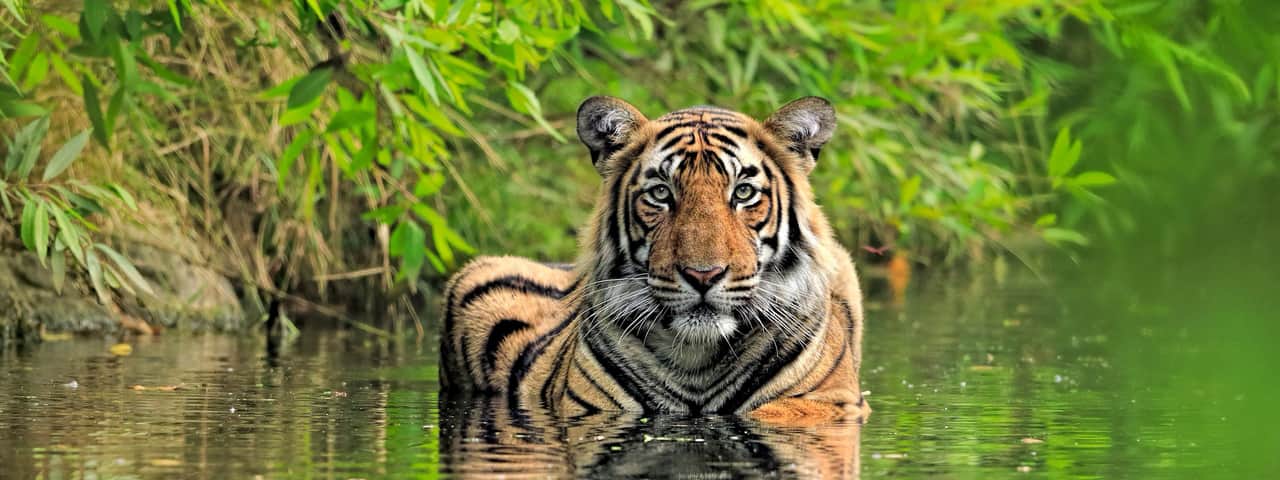
Yes, in most seasons. Tigers pass through the valley and hold territories on the outer hills, but sightings are less predictable than on the lake side where water concentrates them.

Is Kachida crowded?

Usually less so than the lake zones, because most visitors ask for zones 3 and 4. That is part of its appeal; you spend more time stopped and listening and less time in a line of vehicles.

When are sloth bears seen in Kachida?

Most reports come from the cooler months, October to March, at ant hills and along the dry stream beds, and again when trees such as mahua fruit. Early morning and evening are the times.