Ranthambore Fort

Ranthambore Fort

Ranthambore Fort stands on a flat-topped hill inside the park, above Padam Talao, and gave the whole reserve its name. It is open to visitors in daylight without a safari permit and without a ticket, so it is the easiest thing to add to a safari trip. This page covers the history, the climb, and how we suggest fitting it around your slots.

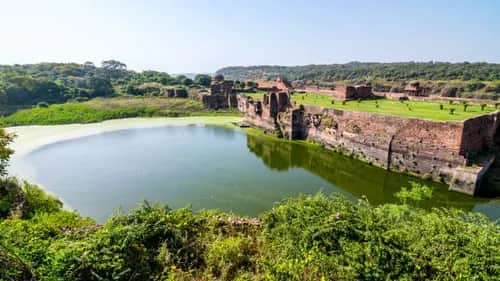
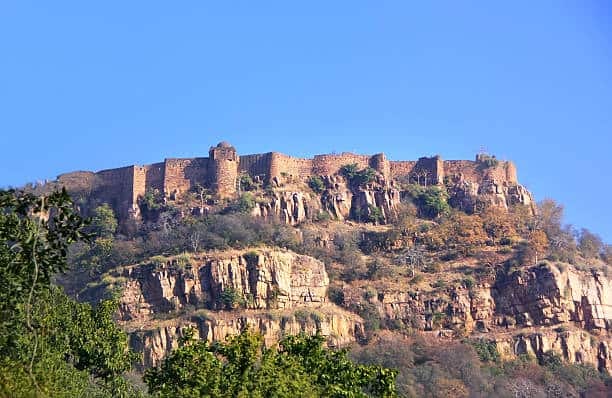
Ranthambore Fort ramparts on the cliff edge
Location
Hilltop inside the park boundary, reached by public road
Permit
None; outside the safari permit system
Best time
Late afternoon in winter, early morning in summer
Entry
Free; open roughly 6 AM to 6 PM

History of the Fort

The fort is generally dated to the 10th century and is associated with the Chauhan rulers, though the walls you see today were rebuilt and extended over many centuries. Its most remembered ruler is Hammir Dev, who refused to hand over refugees from the Delhi court and faced a long siege by Alauddin Khilji that ended in 1301 with the fort's fall. It later passed through Mughal and then Jaipur control, and the surrounding forest became the Jaipur rulers' hunting reserve. In 2013 it was inscribed by UNESCO as one of the six Hill Forts of Rajasthan.
What You See Inside

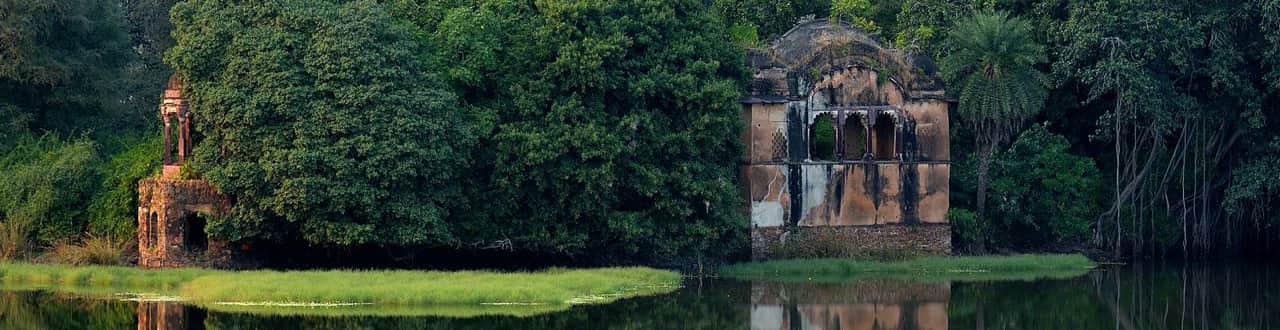
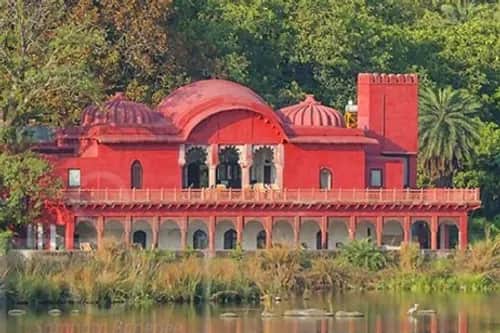
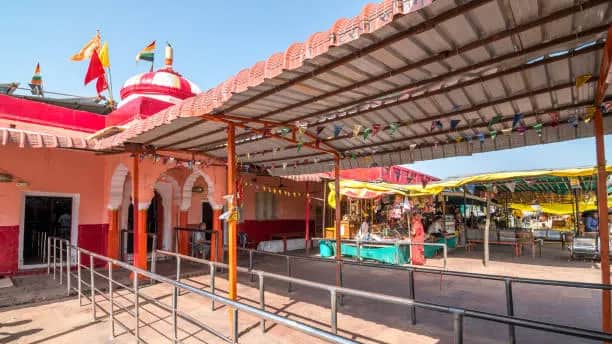
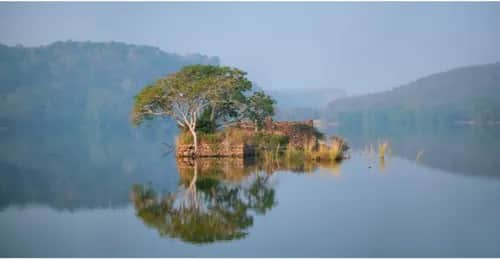
The walk in takes you through a series of gates, of which Naulakha Pol, Hathi Pol and Ganesh Pol are the ones most guides point out. Inside, the plateau is large and mostly open, dotted with ruined palaces, a pillared chhatri, old tanks and step-wells, Jain temples, a mosque and the Trinetra Ganesh Temple that most Indian visitors have come for. Much of it is unrestored, which is part of the appeal. The rampart walk on the lake side gives the best view: Padam Talao directly below, Jogi Mahal at its edge, and forest to the horizon.

How to Reach the Fort

The fort is reached by the public road that runs from the Sawai Madhopur side towards the main safari entrance and then up the hill. Taxis and autorickshaws from town drop you at the base of the steps; there is no safari permit or forest gate check for fort visitors. From the drop point it is a steep, stepped climb that most people manage in about half an hour to forty-five minutes, with a similar time to come down. Allow two to three hours for the whole visit if you want to walk the ramparts as well as reach the temple.

Best Time and Season

October to March is comfortable at any time of day, and late afternoon is the pick for the light over the lake. From April onwards the climb is hot by ten in the morning, so start at first light or after three. The fort stays open through the monsoon when the park itself is closed, and July to September is when the hill is greenest, though the steps can be slippery. On Ganesh Chaturthi and the days around it, expect very large crowds heading for the temple; if you want the fort quiet, choose another day.

Photography Tips

The wide view over Padam Talao is the shot people come for, and it is best in the last two hours before sunset when the sun is behind the ramparts. A wide lens covers the gates and the rampart walk; a moderate zoom picks out Jogi Mahal and the far bank. Keep your camera strapped and your phone in a closed pocket when you are not using them: the langurs and macaques here are used to people and will take anything loose, including food, sunglasses and small bags. Drones are not allowed.

Combining the Fort with a Safari

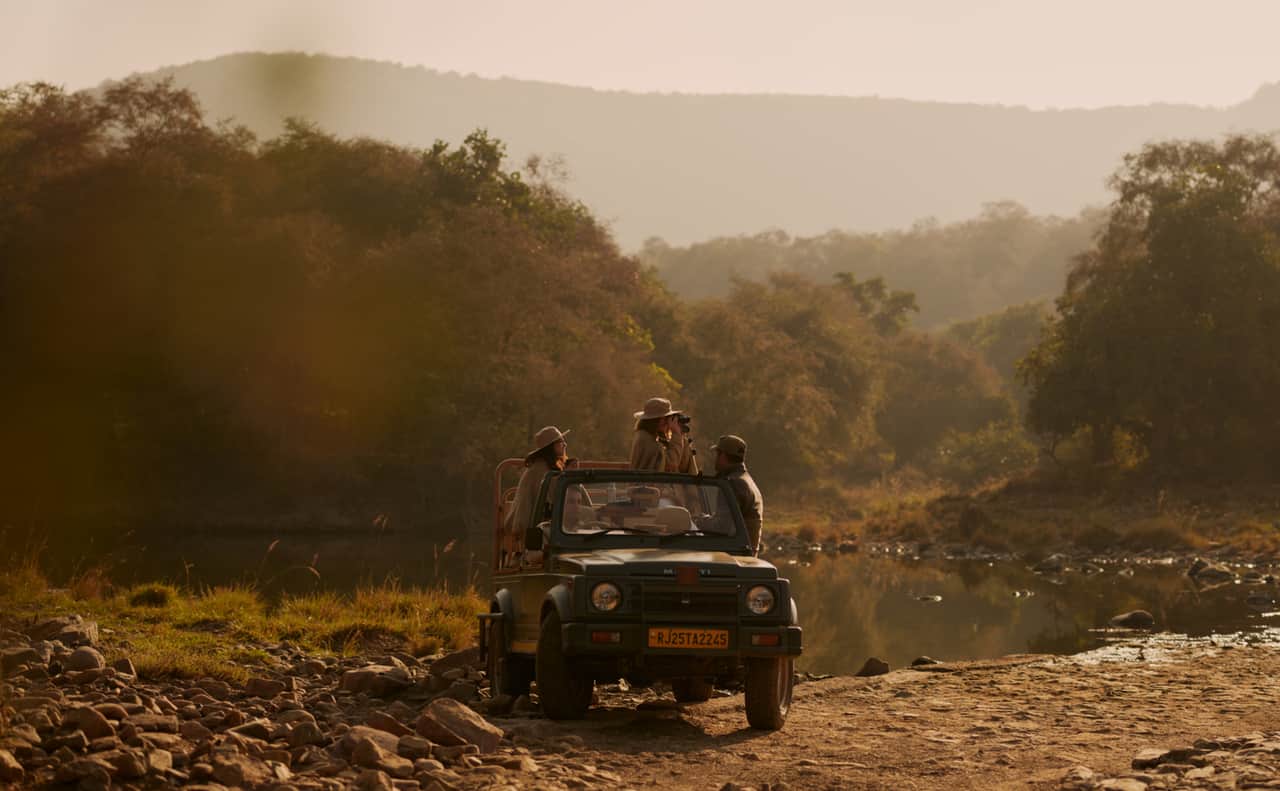
The fort does not use a safari slot, so it slots neatly into the gap between a morning and an evening safari in winter, or into the afternoon of your arrival day. In summer we suggest doing it on a morning when you have no safari booked, before the heat builds. Guests with only one night often arrive by midday, take the evening safari, and do the fort the next morning before checking out. If you would like a car and driver for the fort run, tell us when you book your safari and we will arrange it.

Practical Tips

Wear closed shoes with grip; the steps are worn and uneven. Carry water, a hat and a little cash for the small stalls near the temple, which open in most seasons but not always. There are no proper toilets once you are up, so plan accordingly. Elderly visitors and small children can do the climb slowly with rests, but people with knee or heart trouble should think carefully in summer. Keep to the main paths on the plateau; some ruined structures have unguarded drops.

Red-painted Trinetra Ganesh Temple with pilgrims inside Ranthambore Fort
Tree on a small island in Padam Talao at dawn, below the fort

Visiting Ranthambore Fort at a Glance

ItemDetail
Era10th century, Chauhan period; later Mughal and Jaipur control
UNESCOHill Forts of Rajasthan, inscribed 2013
PermitNot required; separate from the safari system
Entry ticketNone at the time of writing
HoursDaylight; the temple closes at dusk
ClimbSteep steps, roughly 30 to 45 minutes each way
Open in monsoonYes, unlike the safari zones

Frequently Asked Questions

Do I need a safari permit to visit Ranthambore Fort?

No. The fort is reached by a public road and is outside the safari permit system. You can visit in your own vehicle or a taxi on any day in daylight, including the monsoon months when the safari zones are closed.

Is there an entry fee for Ranthambore Fort?

There is no ticket for the fort or the temple at the time of writing. You pay only for your transport to the base of the steps and anything you buy at the stalls.

How hard is the climb?

It is a steep stepped path that most adults manage in under an hour, but it is not a stroll. In winter it is fine at any hour; in summer do it early or late in the day and carry water.

Can I see tigers from the fort?

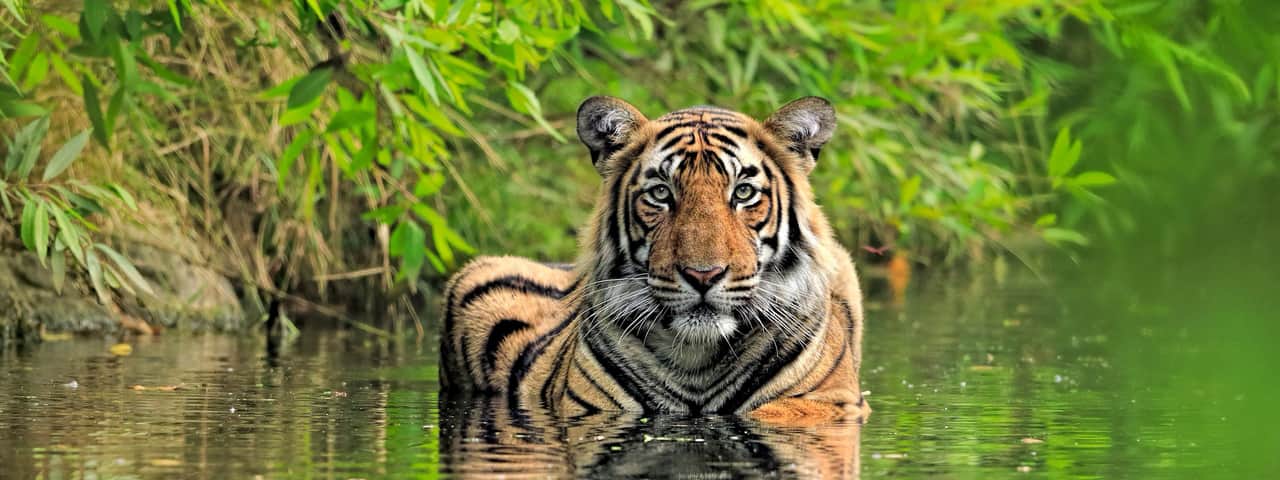
Sightings from the ramparts are occasionally reported around Padam Talao, but the fort is not a place to go looking for tigers. Treat any wildlife you see from the walls as a bonus, not a plan.

How long should I allow for the fort?

About two to three hours door to door from a hotel near the park, including the climb, the temple, and a walk along the ramparts. Add time on festival days when the temple queue is long.