Jogi Mahal Ranthambore

Jogi Mahal

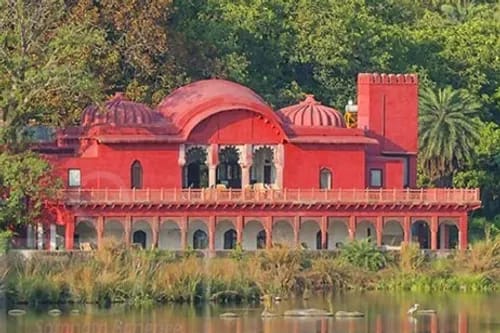
Jogi Mahal is the red-walled building at the edge of Padam Talao, under the fort, with a huge banyan tree beside it. It was a hunting lodge and then a forest rest house, and for years it was the place naturalists and photographers stayed. It is not open for stays now and is seen from a safari vehicle, usually on a zone 3 permit.

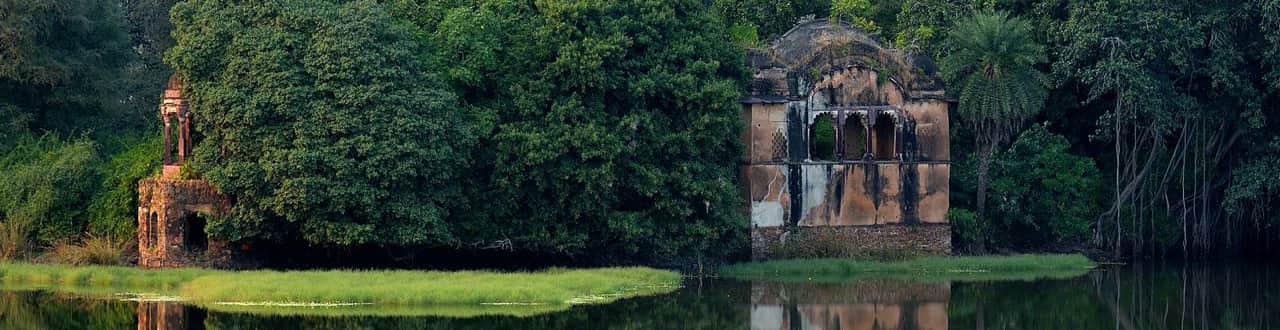
Red-walled Jogi Mahal beside Padam Talao
Location
Bank of Padam Talao, inside the park below the fort
Safari zone
Usually zone 3; zones can change by notification
Best time
Morning, when the light is on the red walls
Entry
Not open to the public; viewed from the safari track

Background

Jogi Mahal was built by the Jaipur rulers as a lodge for their hunting parties on the lake, and after the forest became a reserve it served as the forest department rest house. Through the 1970s and 1980s it was where the early Ranthambore naturalists and film crews stayed, watching the lake from the veranda, and a good deal of what the world first learned about wild tigers was written from here. It was closed to overnight guests some years ago and is now used by the department. The name is usually explained as the "palace of the jogi", after an ascetic who once lived at the site.
What You See

From the track you see a squat, red-painted building with arches and a flat roof, set right on the lake with the fort cliff above. Beside it stands one of the largest banyan trees in India, its aerial roots forming a grove that shades a wide patch of ground and is a landmark in its own right. Langurs and peafowl use the banyan, and deer graze the lawn in front. Tigers are seen around the building and on the lake margin in most seasons, since this end of Padam Talao is part of the lakes territory.

Which Zone and How to Reach

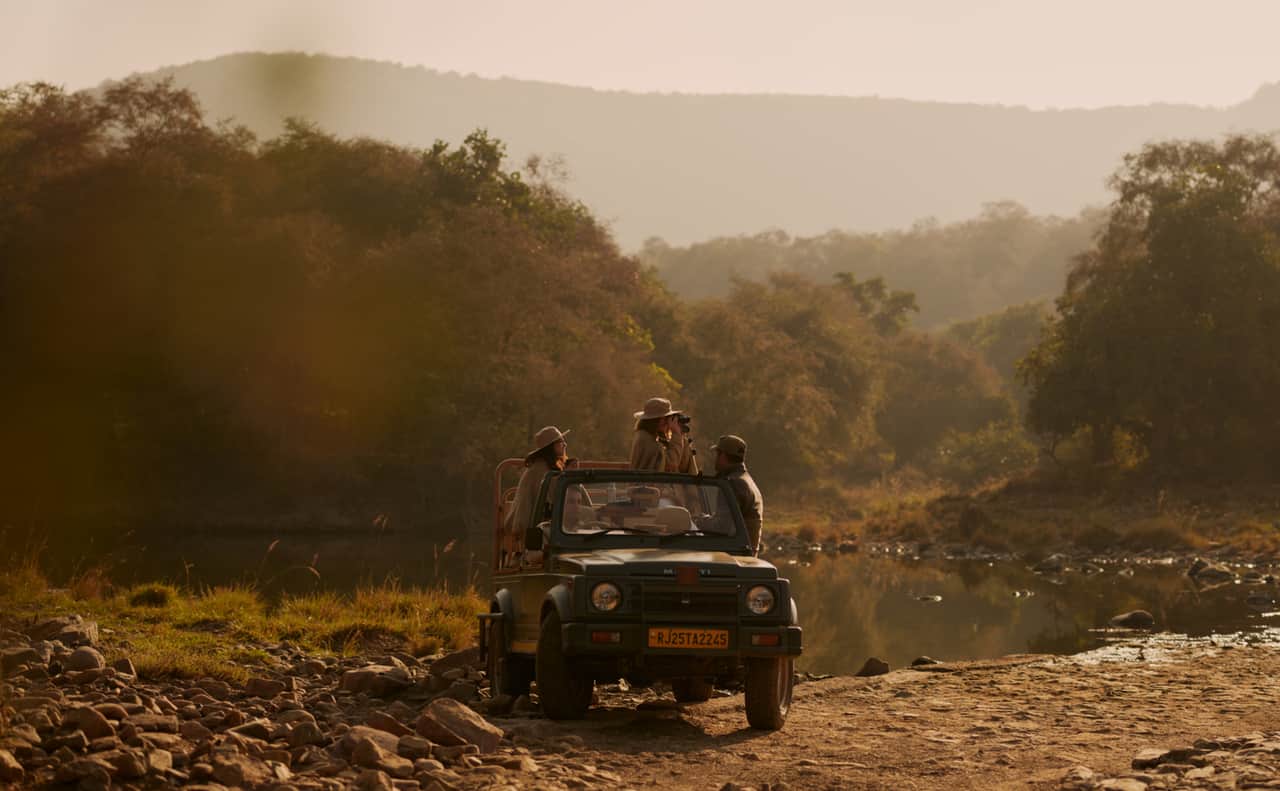
Jogi Mahal is inside the tourism area at the point where the main track from the fort side reaches Padam Talao. At the time of writing that is on the zone 3 route, and most zone 3 drives pass it near the start or end. Zone boundaries change with forest department notifications and zones are allotted when the permit is issued, so we confirm the position on your dates. There is no public entry to the building or its lawn; vehicles pass on the track and stop for a look, and nobody gets down.

Best Time and Season

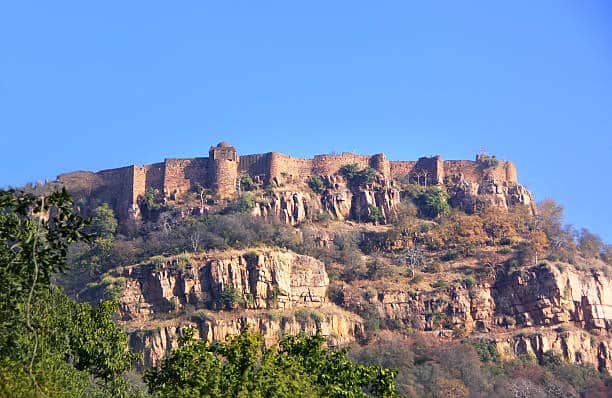
Morning is best. The sun comes over the ridge and lights the red walls and the banyan while the lake is still and the mist is lifting, which is the classic picture. In the evening slot the building is in shade earlier than the lake. October to March gives high water lapping the wall and comfortable air; April to June drops the lake back from the building but concentrates wildlife on this stretch. The building can be seen from the fort ramparts through the monsoon closure, though it is small from up there.

Photography Tips

The standard frame is the red building, the banyan and the fort cliff in one, taken from the track across the lake corner with a wide or mid-range lens. Get it early, before the light goes flat. For the banyan on its own, step back in the frame to show the scale of the root grove; a person-sized reference is not available, so use the building. Deer on the lawn add scale too. A tiger under the banyan is the picture everyone wants and few get; keep the long lens on the seat, not in the bag.

Combining with a Safari

Jogi Mahal is passed on the drive, not visited. If the lakes stretch matters to you, tell us when you book and we will explain what the current zone allocation looks like and request the lake side. Guests doing the fort climb on the afternoon between safaris can look down on Jogi Mahal from the ramparts; it gives context for the drive the next morning. Booking two safaris across two zones remains the surest way to get one on the Padam Talao side.

Practical Tips

Do not expect to go inside or use the rest house; it is closed to visitors and there are no facilities for the public at the lake. Winter mornings here are cold and the banyan shade is colder still, so dress in layers. Keep quiet when the vehicle stops by the lawn; the guide is listening for alarm calls from the deer. If you are with children, point out the banyan roots and the langurs, which are always there even on a morning with nothing bigger. Remember that any tiger seen is luck, not part of the plan.

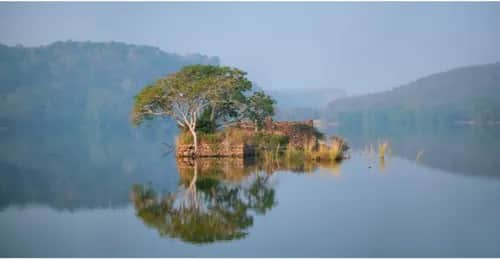
Tree on a small island in Padam Talao at dawn
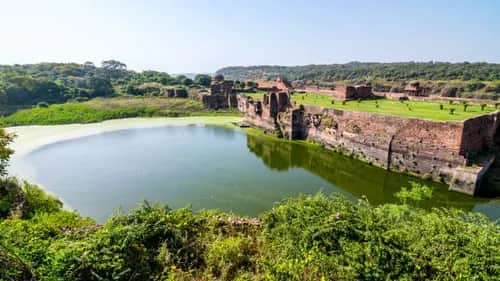
Ranthambore Fort ramparts on the cliff above the lake

Visiting Jogi Mahal at a Glance

ItemDetail
What it isFormer hunting lodge and forest rest house, red walls
LocationBank of Padam Talao, below the fort
ZoneUsually zone 3; confirmed at booking
StaysNot open for overnight guests
LandmarkOne of the largest banyan trees in India beside it
Best timeMorning slot, October to March for the setting
Also visible fromRanthambore Fort ramparts, no permit needed

Frequently Asked Questions

Can I stay at Jogi Mahal?

No. It was the forest rest house for many years but is no longer open for overnight guests. It is used by the forest department and is seen from the safari track only.

Which zone passes Jogi Mahal?

Zone 3 at the time of writing, on the route from the fort side to Padam Talao. Zone boundaries can change by forest department notification and the zone is allotted with the permit, so we confirm when you book.

How big is the banyan tree?

It is widely reported as one of the largest banyans in India, with a grove of aerial roots covering a wide area beside the building. Exact measurements vary between sources, so we do not quote one.

Can I see Jogi Mahal without a safari?

Only from above. The lake-side ramparts of Ranthambore Fort look down on Padam Talao and the building at its edge, and the fort needs no permit. There is no ground access without a safari.

Why is it called Jogi Mahal?

The usual explanation is that a jogi, an ascetic, once lived at the spot, and the lodge built there took his name. We have not seen a firm historical record, so treat it as local tradition.