Trinetra Ganesh Temple

Trinetra Ganesh Temple

The Trinetra Ganesh Temple sits inside Ranthambore Fort and is the reason many families in Rajasthan make the trip at all. Its Ganesha idol has three eyes, which is rare, and households across the region post their wedding invitations to the temple before sending any others. Entry is free, it is open in daylight, and it needs no safari permit.

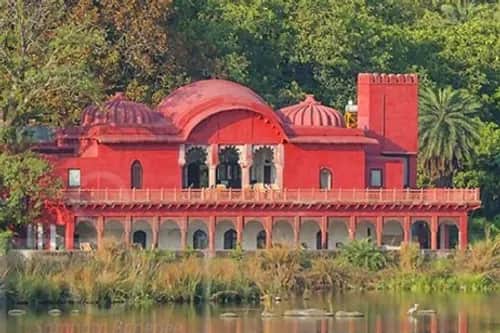
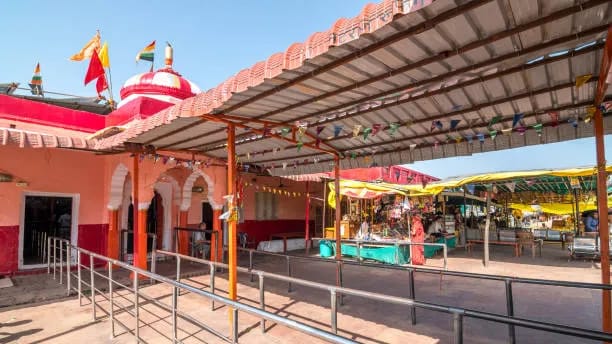
Red Trinetra Ganesh Temple with pilgrims inside Ranthambore Fort
Location
Inside Ranthambore Fort, near the top of the climb
Permit
None; reached by the public fort road
Best time
Morning, or late afternoon in winter
Entry
Free, daylight hours

Background and Belief

Local tradition links the temple to Hammir Dev, the Chauhan ruler who held the fort during the 1301 siege, and it is widely reported as one of the older Ganesha shrines in Rajasthan. The idol shows Ganesha with three eyes, flanked by his consorts Riddhi and Siddhi and his sons Shubh and Labh, which is why devotees call it a complete family shrine. Its best known custom is the wedding post: families send the first invitation card of a marriage to Ganesha here, and the temple receives sacks of them every season.
What You See

The temple is a modest red-painted building rather than a grand one, set on the plateau a short walk beyond the last fort gate. The idol sits in a small sanctum with a steady stream of devotees passing through, and on ordinary days the darshan takes only a few minutes. Around it are stalls selling laddoos, coconut and marigold for offering, and the fort ruins spread out behind. The interest is in the atmosphere as much as the architecture: it is a working temple, busy with local families, inside a largely deserted medieval fort.

How to Reach the Temple

The temple is reached the same way as the fort. Take a taxi or autorickshaw from Sawai Madhopur along the public road to the base of the fort steps, then climb. There is no forest gate for fort visitors and no permit to show. The climb is steep and takes most people thirty to forty-five minutes. On festival days, and especially around Ganesh Chaturthi, the road and the steps are crowded and vehicles are held further back, so allow extra time and expect a queue at the sanctum.

Timings and Season

The temple is open through daylight hours and closes at dusk; we do not publish exact aarti times because they shift with the season and the priests' schedule. Wednesdays draw more devotees than other weekdays. The annual Ganesh Chaturthi fair, usually in August or September, brings tens of thousands of pilgrims over several days and is the one time the fort feels crowded. The safari zones are closed in those months, so a fair visit is a temple trip rather than a safari trip. For a quiet darshan, come on a winter weekday morning.

Photography and Etiquette

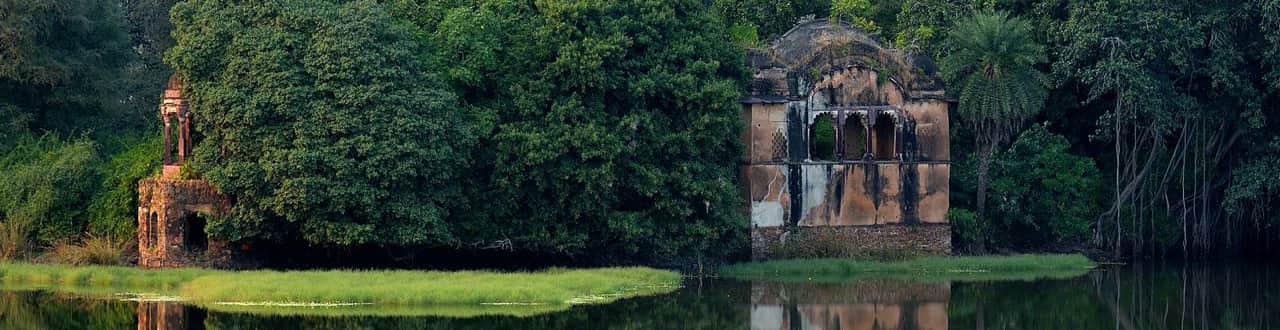
Photography inside the sanctum is not appropriate, and you will be moved along by the queue in any case. Outside, the red temple against the pale fort stone makes a good picture, and the walk back along the ramparts gives the wide view over Padam Talao. Remove shoes before entering, dress modestly, and keep phones and bags zipped: the monkeys around the temple are bold and are drawn to the offerings people carry. Drones are not permitted over the fort.

Combining the Temple with a Safari

Because the temple uses no safari slot, most of our guests visit it in the afternoon of their arrival day or the morning after a safari-free night. A winter itinerary of morning safari, rest, then fort and temple from about three in the afternoon works well. In summer, do the temple early in the morning on a day when you have an evening safari. If you are coming mainly for the temple and want to add a single safari, tell us the date and we will check permit availability for the morning or evening slot.

Practical Tips

Carry water and a hat for the climb, and wear shoes you can take off easily at the temple. Offerings are sold near the temple in most seasons; you do not need to bring anything from town. There are few facilities on the plateau, so use the toilets at your hotel before leaving. Elderly pilgrims do make the climb, slowly, and there is no shame in resting at each gate. If someone in your group cannot climb, they can wait at the base with the driver; there is no vehicle access to the temple itself.

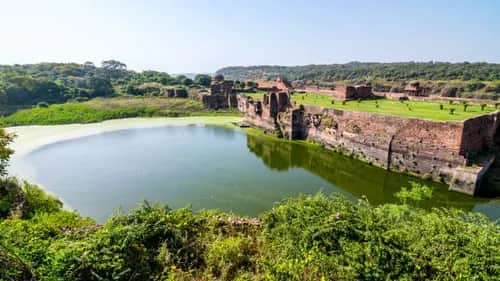
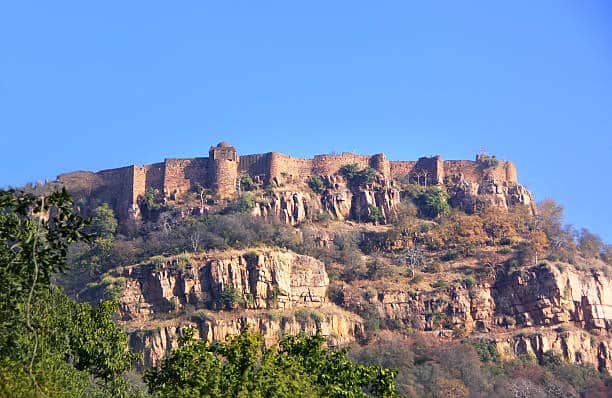
Ranthambore Fort ramparts on the cliff, the climb to the temple
Padam Talao at dawn, seen from below the fort hill

Visiting Trinetra Ganesh Temple at a Glance

ItemDetail
DeityThree-eyed Ganesha with Riddhi, Siddhi, Shubh and Labh
CustomWedding invitations posted to the temple
Main festivalGanesh Chaturthi fair, usually August or September
PermitNot required
EntryFree
HoursDaylight; closes at dusk
AccessSteep fort climb on foot; no vehicle to the temple

Frequently Asked Questions

Do I need a safari booking to visit the Trinetra Ganesh Temple?

No. The temple is inside the fort, which is reached by public road and is outside the safari permit system. You can visit on any day in daylight, including during the monsoon closure of the safari zones.

Why do people post wedding invitations to this temple?

It is a long-standing custom in Rajasthan and beyond to invite Ganesha first, and this temple is the one families choose. The cards arrive by post in large numbers every wedding season and are placed before the idol.

What are the temple timings?

It is open through daylight hours and closes at dusk. Exact aarti timings change with the season, so if a particular aarti matters to you, ask at your hotel the evening before.

Is the temple crowded?

On ordinary weekdays in winter, no; darshan takes minutes. Wednesdays, weekends and the Ganesh Chaturthi fair are busy, and the fair days are very crowded with long queues on the steps.

Can I drive up to the temple?

No. Vehicles stop at the base of the fort steps and the rest is a steep climb on foot. Allow thirty to forty-five minutes up and a little less down.