Surwal Lake

Surwal Lake

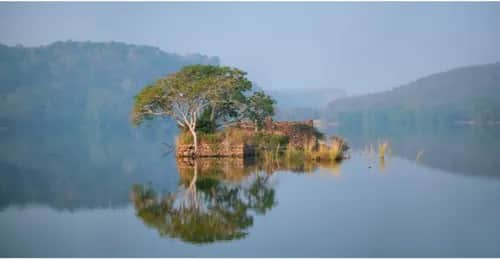
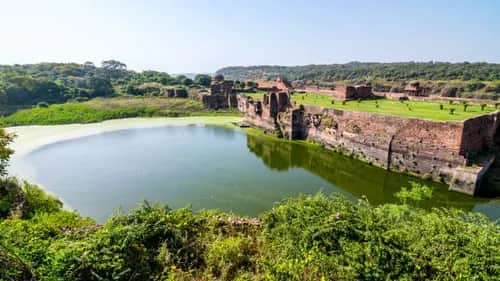
Surwal Lake is a shallow seasonal lake in farmland outside the park, a short drive from Sawai Madhopur. It fills after the monsoon and draws winter migrants, and it is free to visit by road with no permit of any kind. It is a birdwatcher's morning rather than a wildlife safari, and it dries out in summer.

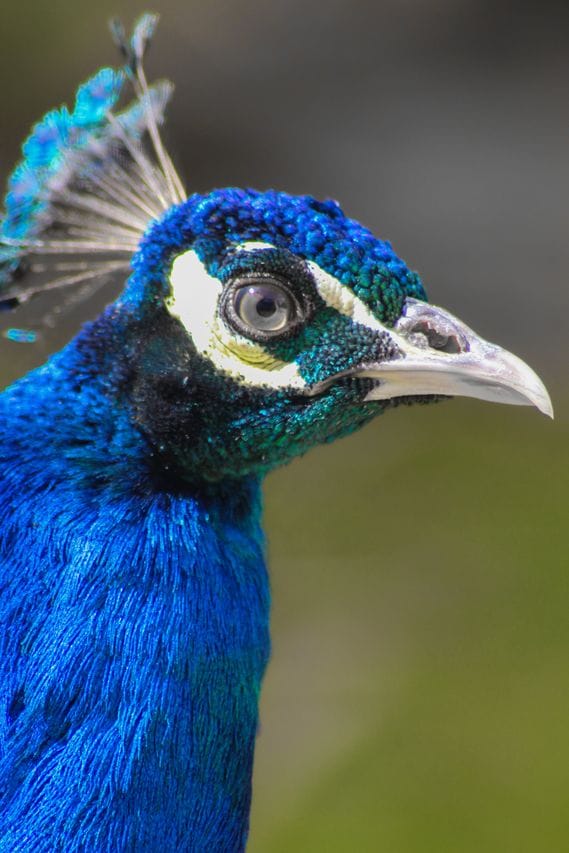
Close-up of a peacock
Location
Outside the park, in farmland near Sawai Madhopur
Permit
None; drive in by public road
Best time
Sunrise, November to March
Entry
Free; no gate or ticket

Background

Surwal is a village lake, not a park feature. It sits in flat cultivated country on the Sawai Madhopur side, fed by monsoon run-off, and in most years it holds water from October until it shrinks through spring and is often a dry bed by May. Because it is shallow and surrounded by fields rather than forest, it draws the birds that avoid the wooded park lakes: pelicans, flamingos in some years, and large flocks of ducks and waders. It has become the standard add-on for birdwatchers visiting Ranthambore in winter.
What You See

On a good winter morning the lake holds several hundred to a few thousand birds. Bar-headed geese, pintail, shoveler and other ducks are regular; painted storks, spoonbills, black-headed ibis and open-billed storks feed the shallows; and great white pelicans arrive in most seasons. Flamingos are reported in some years but not all, so do not count on them. Around the edges are lapwings, sandpipers and the occasional crane. Sarus cranes are reported from the surrounding fields. Jackals and nilgai use the margins at first light.

How to Reach

Surwal Lake is reached by road from Sawai Madhopur in your own vehicle or a hired car; there is no gate, no permit and no ticket. The last stretch is a village road and then a track along the fields, and drivers from town know it. It is not on any safari route and no safari vehicle goes there. We can arrange a car and driver for a morning trip, usually leaving before sunrise and returning for breakfast. Keep to the tracks and field edges, since the surrounding land is farmed.

Best Time and Season

November to March is the window in most years, and December and January are the peak for both numbers and variety. Sunrise is the time: the birds are feeding, the light is soft, and by mid-morning the flocks lift and the haze flattens everything. Water levels vary a great deal with the previous monsoon; after a weak one the lake may be poor by February, and after a strong one it can still hold birds into April. Ask us about the current level before you plan a trip around it. From May to September there is usually nothing to see.

Photography Tips

Bring your longest lens; the birds keep their distance on open water, and a 500 mm or a scope is what regulars use. Arrive before sunrise and set up on the eastern edge so the light comes over your shoulder onto the flocks. Stay in or beside the vehicle at first, because a walking figure clears the near shore. Flight shots as the pelicans and geese move between the lake and the fields are the pick of the morning. A beanbag on the car door is steadier than a tripod in the wind that gets up after sunrise.

Combining with a Safari

Surwal fits a day when you have an evening safari and a free morning: leave the hotel before dawn, spend two hours at the lake, and be back for breakfast with the whole day still ahead. It also works on a departure morning for guests taking a late train. It does not work on a morning safari day, since both need the same first hour of light. Winter guests who book two nights often do a lakes safari, a Kachida or Lakarda safari, and Surwal on the third morning.

Practical Tips

Winter dawns on open water are cold and often windy; dress warmer than you would for a safari. There are no facilities at the lake, no shade and nothing to buy, so carry water and eat before you go. Keep dogs out of the vehicle and children close, since the flocks lift if anyone runs at the shore. Respect the fields and the villagers; this is farmland, not a reserve. If the lake is low or dry when you visit, the surrounding fields still hold cranes, lapwings and raptors, so a short walk along the track is rarely wasted.

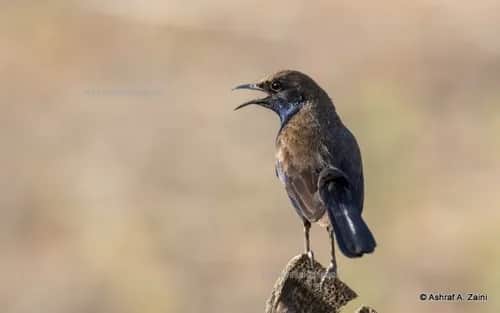
Small songbird perched on a rock
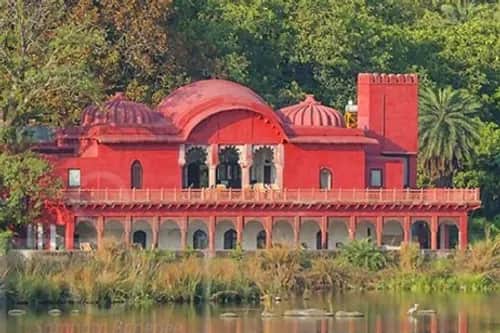
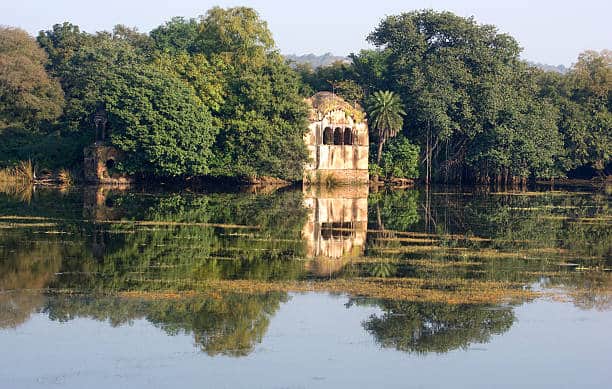
Lakeside pavilion reflected in a Ranthambore lake with forest behind

Surwal Lake Through the Year

MonthsWaterBirds
OctoberFull after monsoonResidents; first migrants arriving
November to JanuaryHighPeak: pelicans, geese, ducks, storks, spoonbills
February to MarchFallingStill good; flocks thinning by late March
AprilLowFew migrants; waders on the mud
May to SeptemberUsually dry or refillingLittle to see; fields only

Frequently Asked Questions

Do I need a permit or ticket for Surwal Lake?

No. It is outside the park in village farmland and is reached by public road. You can go in your own car or a hired one at any time; there is no gate or fee.

When is the best time for birds at Surwal Lake?

Sunrise on a morning between November and March, with December and January usually the best. The birds feed at first light and the flocks lift by mid-morning.

Will I see flamingos?

Flamingos are reported in some winters but not every year, and their numbers vary. Pelicans, storks, spoonbills and ducks are much more reliable. Treat flamingos as a bonus.

Does the lake have water in summer?

Usually not. It is a seasonal lake that shrinks through spring and is often a dry bed by May. After a strong monsoon it can hold water later, so ask us about the current level before planning around it.

Can I combine Surwal Lake with a safari on the same day?

Yes, with an evening safari. Go to the lake at dawn, return for breakfast, rest, and take the afternoon drive. It does not combine with a morning safari because both need the first hour of light.