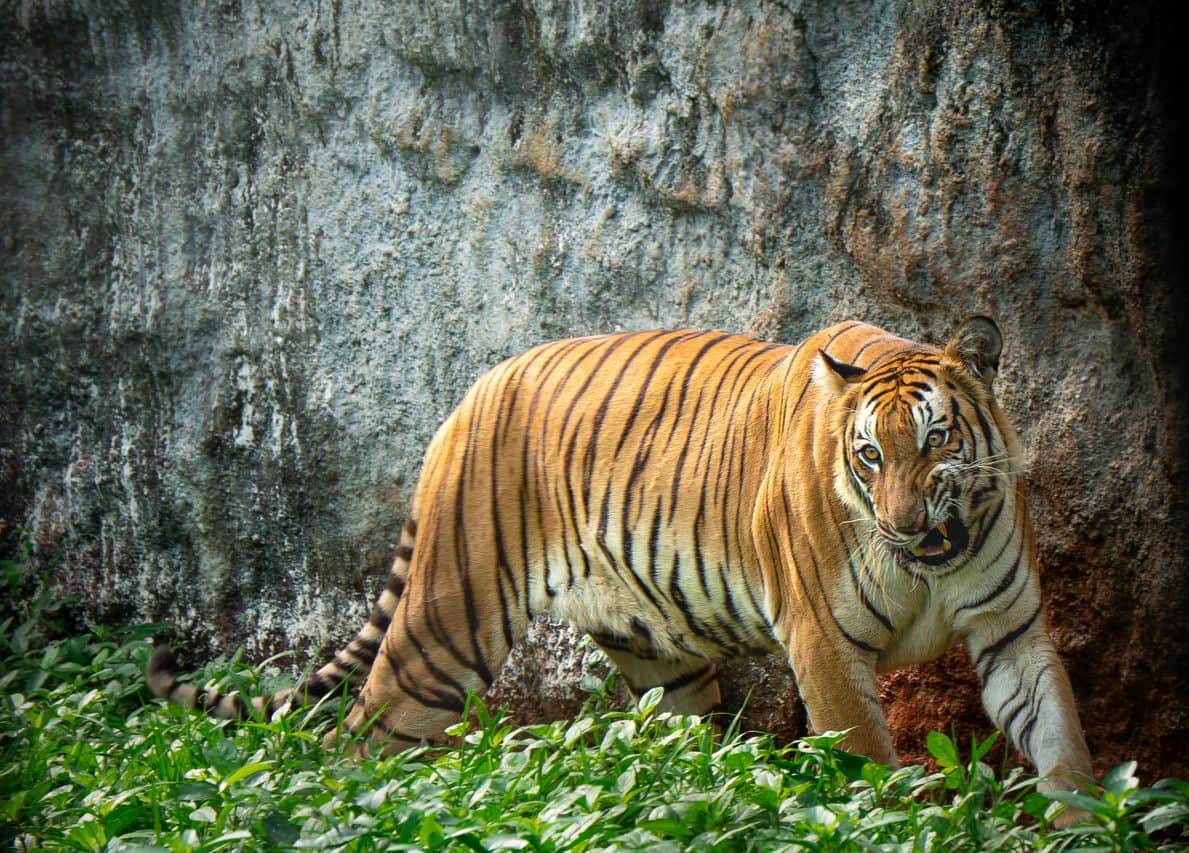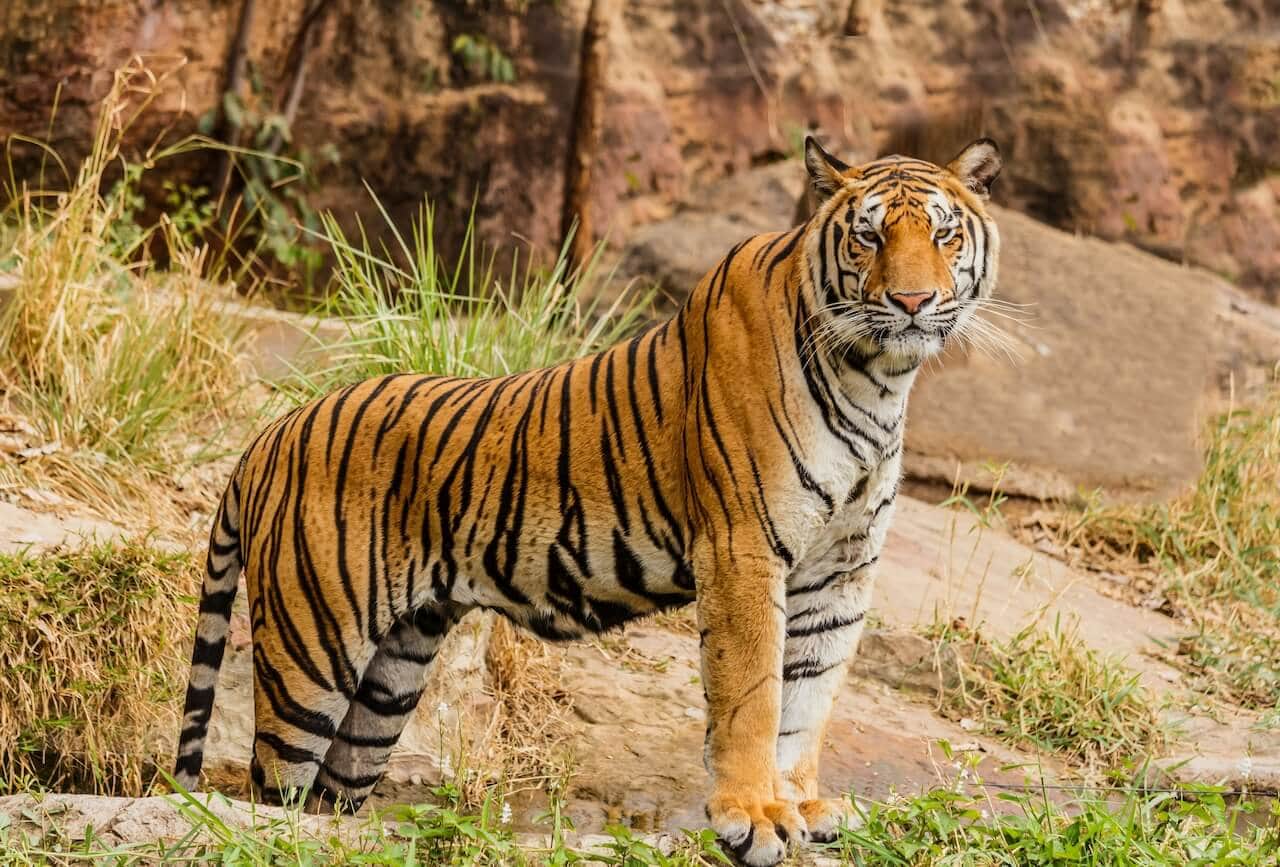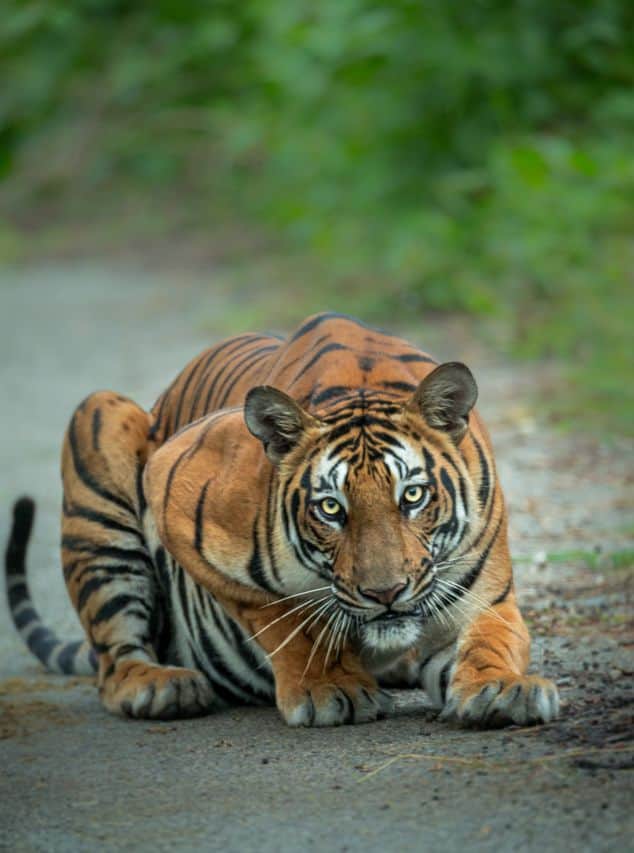
Machali tigress Ranthambore

Machali (T-16), the Queen of Ranthambore

Machali (T-16) is the tigress most people picture when they think of Ranthambore. She held the lakes area around Padam Talao and Rajbagh for well over a decade, raised several litters there, and became the most photographed wild tigress in the world before dying in August 2016 at roughly 19 years of age. Her daughters and granddaughters still hold the same ground.

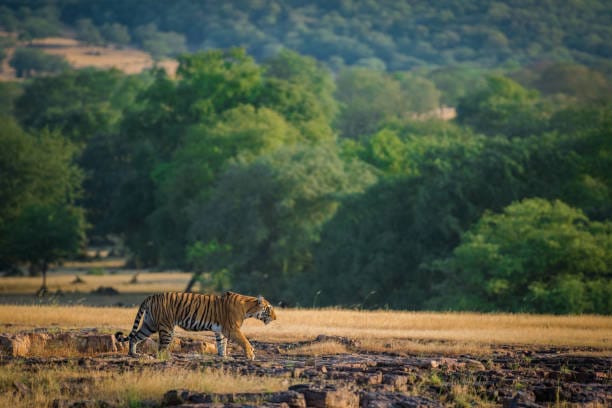
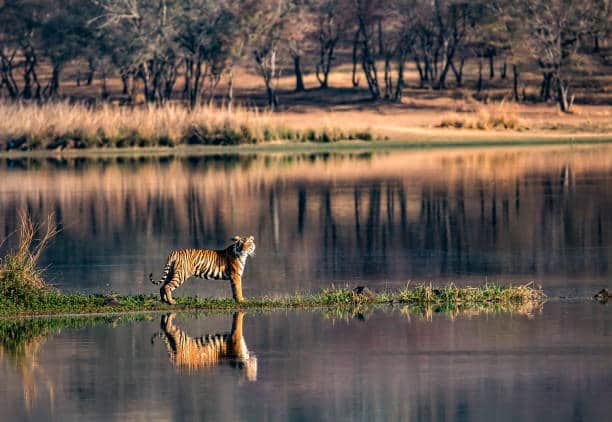
Tiger walking beside a lake at dawn in Ranthambore
T-number
T-16
Sex
Female
Associated zones
Zones 3 and 4, lakes area
Status
Died August 2016

Identity and Markings

Machali means fish in Hindi, and the name came from a fish-shaped mark on the left side of her face. Her mother carried the same name and mark, which is why some older accounts refer to Machali Senior and Machali Junior; T-16 is the younger one. In her last years she was easy to recognise at a glance: she had lost her canines, moved slowly, and was thinner than the tigresses around her, yet she was still the animal every jeep at the lakes was hoping for.
Life Story

She was born around 1997 and took over the lakes territory from her mother while still young. She held it, with brief interruptions, until her daughters displaced her in old age. By the end she was living in a smaller area on the edge of her former range, and forest staff are reported to have occasionally provided food once she could no longer hunt. She was found in poor condition in August 2016 and died on 18 August. Her cremation with ceremony was itself national news.

Territory and Zones

Machali's range was the lakes: Padam Talao, Rajbagh Talao and Malik Talao, with the fort and Jogi Mahal as a backdrop. Under current zoning that is mostly zone 3 with parts of zone 4, which is why those zones carry so much of her reputation. Zone numbers and boundaries are set by forest department notifications and have changed over the years, so an old photo caption saying "zone 3" may not map exactly to today's route.

Lineage

Machali raised several litters. The best known is the 2006 litter of three females: Satra (T-18), who was moved to Sariska as part of that reserve's reintroduction, Sundari (T-17) and Krishna (T-19). Jhumru (T-20) is widely reported as the father. Krishna went on to produce Arrowhead (T-84), and Arrowhead produced Riddhi (T-124) and Siddhi, so the lakes territory has stayed within Machali's female line for nearly three decades. Sundari's line continues separately through T-73 in the Kachida area.

Famous Moments

The moment everyone remembers is her fight with a large mugger crocodile at the lake edge, filmed in 2003, which she won despite the size difference and at the cost of some teeth. She was the subject of the film The World's Most Famous Tiger and received a lifetime achievement award from the Travel Operators for Tigers group in 2013. Fewer people know that she was still raising cubs when most tigresses her age would have stopped, and that she held territory against younger rivals well into her teens.

Planning a Safari Around Her Legacy

You cannot see Machali, but you can see her ground and, with luck, her descendants. Ask for the lakes side, which today means requesting zone 3 or 4 through the permit system; allocation is the forest department's decision, not ours. Morning slots suit the lakes because the light comes across the water and tigers often walk the shoreline early. If seeing this landscape matters to you, book at least two safaris so a single unlucky allocation does not decide your trip.

Why Sightings Are Never Guaranteed

Machali was famous partly because she was unusually tolerant of vehicles, and that habit has passed down her line. Even so, her daughters and granddaughters spend most of their days out of sight. A tiger can be within a hundred metres of the track and never show. Recent sighting reports tell you which parts of the lakes are active this fortnight; nothing tells you what will happen on your drive. We give honest odds, not promises.

Tiger reflected in the still water of a Ranthambore lake
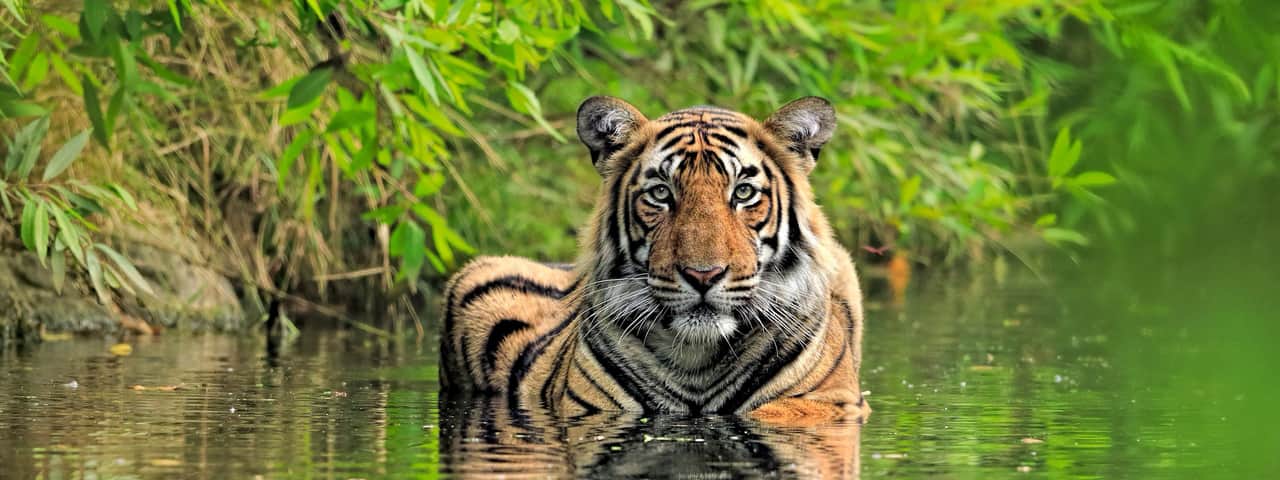
Tiger sitting in green water on a hot afternoon

Machali Timeline

YearEvent
Around 1997Born to the earlier Machali in the lakes area
Early 2000sTakes over the lakes territory
2003Fights and kills a large mugger crocodile at the lake edge
2006Litter of three females: Satra, Sundari and Krishna
2013Lifetime achievement award from Travel Operators for Tigers
Around 2014Loses the core of her territory to younger tigresses
18 August 2016Dies aged roughly 19

Frequently Asked Questions

Is Machali still alive?

No. Machali died on 18 August 2016 at roughly 19 years of age, unusually old for a wild tigress. Her descendants Riddhi and Siddhi, through Krishna and Arrowhead, still hold the lakes territory as of recent seasons.

Why was Machali called the Queen of Ranthambore?

She held the most prominent territory in the park, the lakes below the fort, for more than a decade, was seen by more visitors than any other tiger, and became the most photographed wild tigress in the world.

Did Machali really fight a crocodile?

Yes. In 2003 she attacked and killed a large mugger crocodile at the edge of one of the lakes. The encounter was filmed and is the single most widely shared piece of footage from Ranthambore.

Which zone was Machali in?

The lakes area, which under current zoning is mainly zone 3 with parts of zone 4. Zone boundaries are set by the forest department and have changed over time, so older references may not match today's routes exactly.

Can I see Machali's descendants on safari?

Possibly. Riddhi (T-124), her great-granddaughter, is reported to hold the lakes territory as of recent seasons. Allocation to zone 3 or 4 is by the permit system and a sighting is never guaranteed, so book more than one safari if it matters to you.