Bakaula Ranthambore

Bakaula

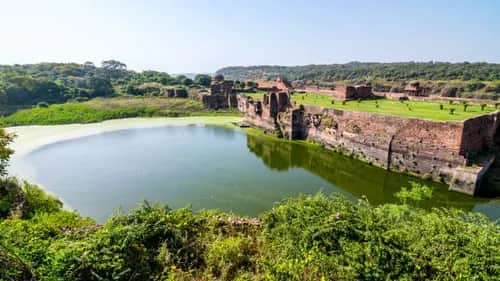
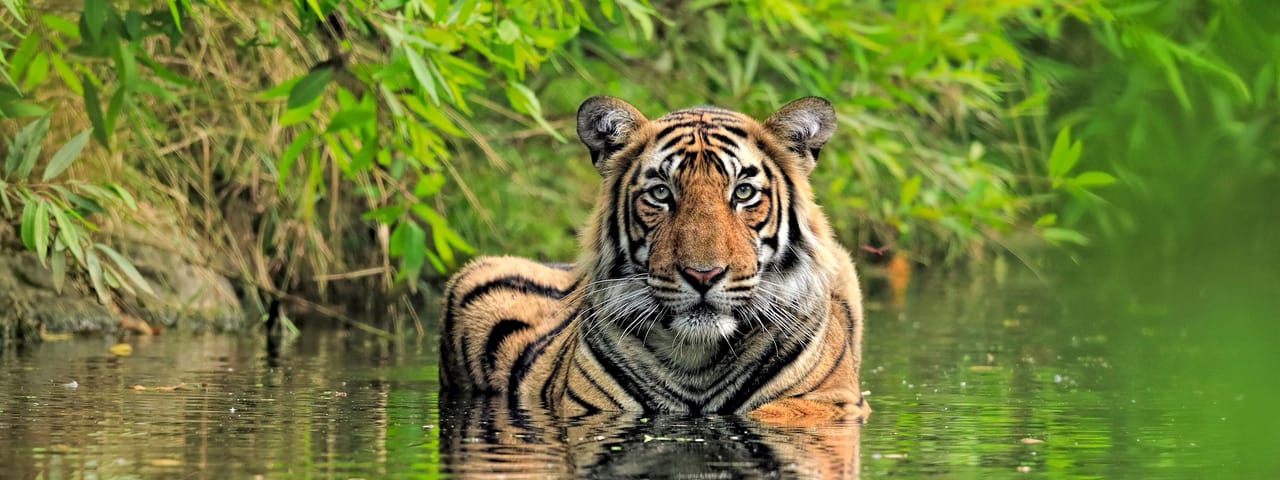
Bakaula is the densest forest in the tourism area: thick canopy, shaded tracks and a string of water holes that hold water longer than the open country. It has a long record of tigresses raising cubs, which is why drivers slow down here. It is inside the core zones and seen only on safari.

Tiger sitting in green water
Location
Inside the park, core zones, dense forest away from the lakes
Safari zone
Core zone routes; allocation can change by notification
Best time
Morning slot, March to June for water-hole activity
Entry
Safari permit only

Background

Bakaula sits in the well-wooded heart of the old reserve, where deeper soil and a closed canopy of dhok, banyan and jamun keep the ground cooler and the water holes fuller than anywhere else away from the lakes. That combination has made it a nursery: for decades, tigresses have chosen Bakaula to hide small cubs, and many of the well-known Ranthambore tigers were first photographed here as youngsters. Drivers and guides know the area by its pools and speak of it as a place to wait rather than a place to drive through.
What You See

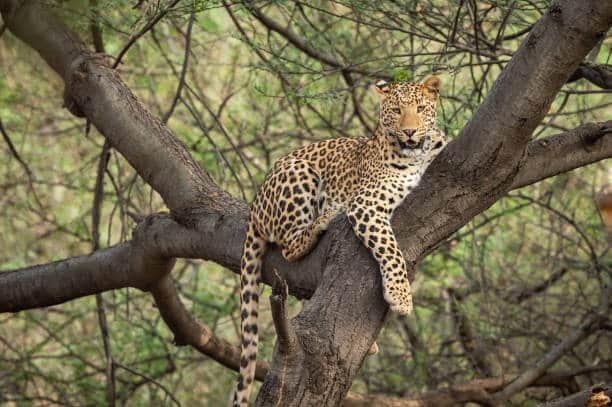
The drive goes under trees for long stretches, which is unusual in a park that is mostly dry scrub and open ridge. Light comes through in patches, and the water holes appear as small dark pools with churned mud edges where deer and tigers have come to drink. Sambar, chital and langur are constant, and the alarm calls carry well under the canopy, so this is where guides listen hardest. Tigers, and in good years a tigress with cubs, are reported here regularly, though a sighting is never something we can promise. Leopards and sloth bears are seen occasionally.

Which Zone and How to Reach

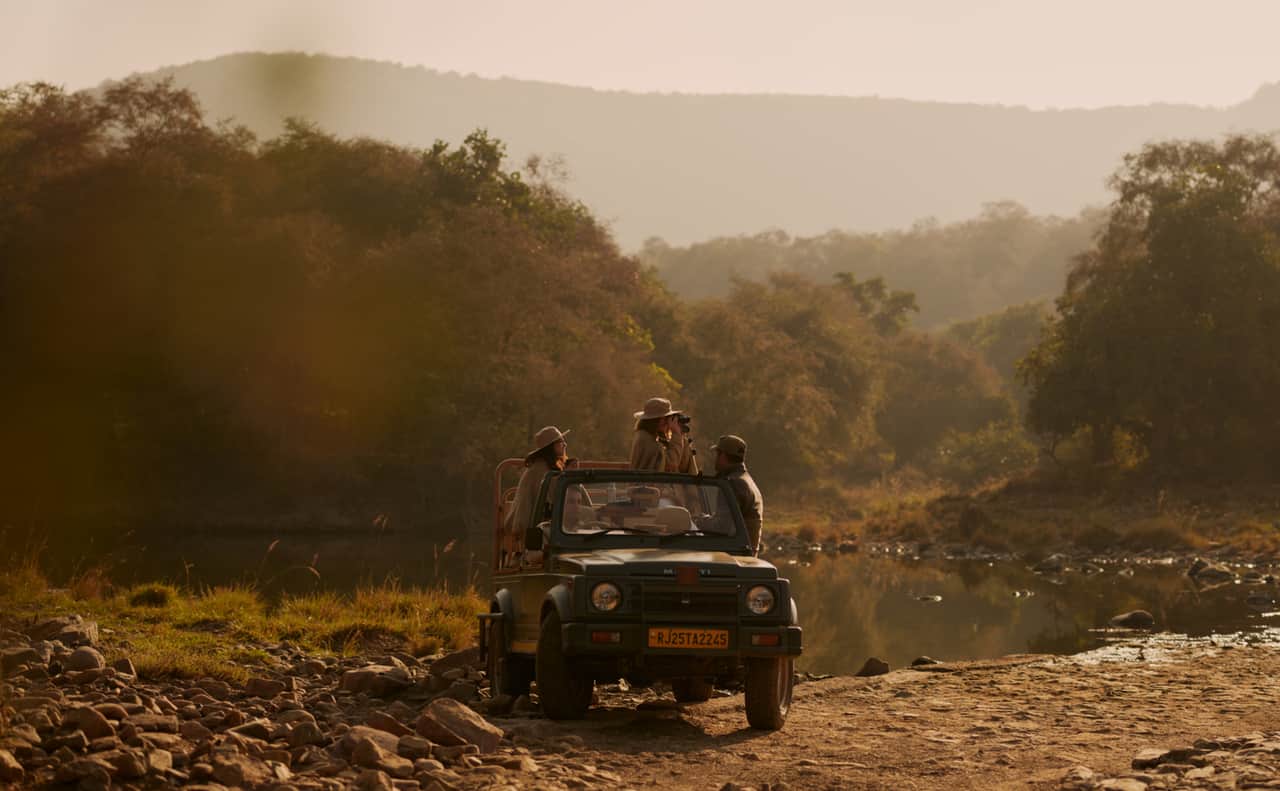
Bakaula is inside the core tourism zones and reached only by permitted safari vehicle. Its water holes are covered by more than one route at the time of writing, and which zone number takes you there has changed over the years with forest department notifications, so we confirm the current mapping when you book rather than quoting a number here. Zones are allotted by the department when the permit is issued; we can request the zone that covers Bakaula on your dates and tell you honestly how likely it is.

Best Time and Season

Morning is the better slot, when animals are still moving and the light filters in low under the trees. October to February is comfortable and green, and cubs born in the previous year are often being brought into the open. March to June is when Bakaula comes into its own: the open country dries, and the shaded pools here keep water longer, so everything that lives nearby drinks at them. It is hot, but the water-hole waits in April and May are why photographers choose these months.

Photography Tips

Light is the challenge. Under the canopy you will be two or three stops darker than on the lake tracks, so raise the ISO before you need to and keep the shutter fast enough for a moving animal in dappled shade. A long lens with a wide aperture earns its weight here. Frame the water holes with the trees around them rather than cropping tight; the closed forest is the story. For cubs, keep well back and let the guide judge the distance; a nervous tigress leaves and takes the cubs with her.

Combining with a Safari

Bakaula is part of a core-zone drive rather than a stop. If you are booking several safaris, we suggest one on the lakes side, one through Bakaula, and one in the outer hills, which shows you three different kinds of forest. Guests who have seen photographs of cubs at a Ranthambore pool are usually looking at Bakaula, and we can tell you whether the zone that covers it is available on your dates. It combines easily with a fort visit in the afternoon, since the drive returns to the same side of the park.

Practical Tips

The forest is cooler than the open park, which is welcome in summer but means winter mornings under the trees are properly cold; bring a jacket. Keep quiet at the pools, because the wait there can be long and any noise ends it. Insect repellent is worth carrying in October and November when the ground is still damp. Nobody leaves the vehicle at the water holes. If you are with children, explain the alarm-call game before the drive: it keeps them engaged during the waits that make Bakaula worthwhile.

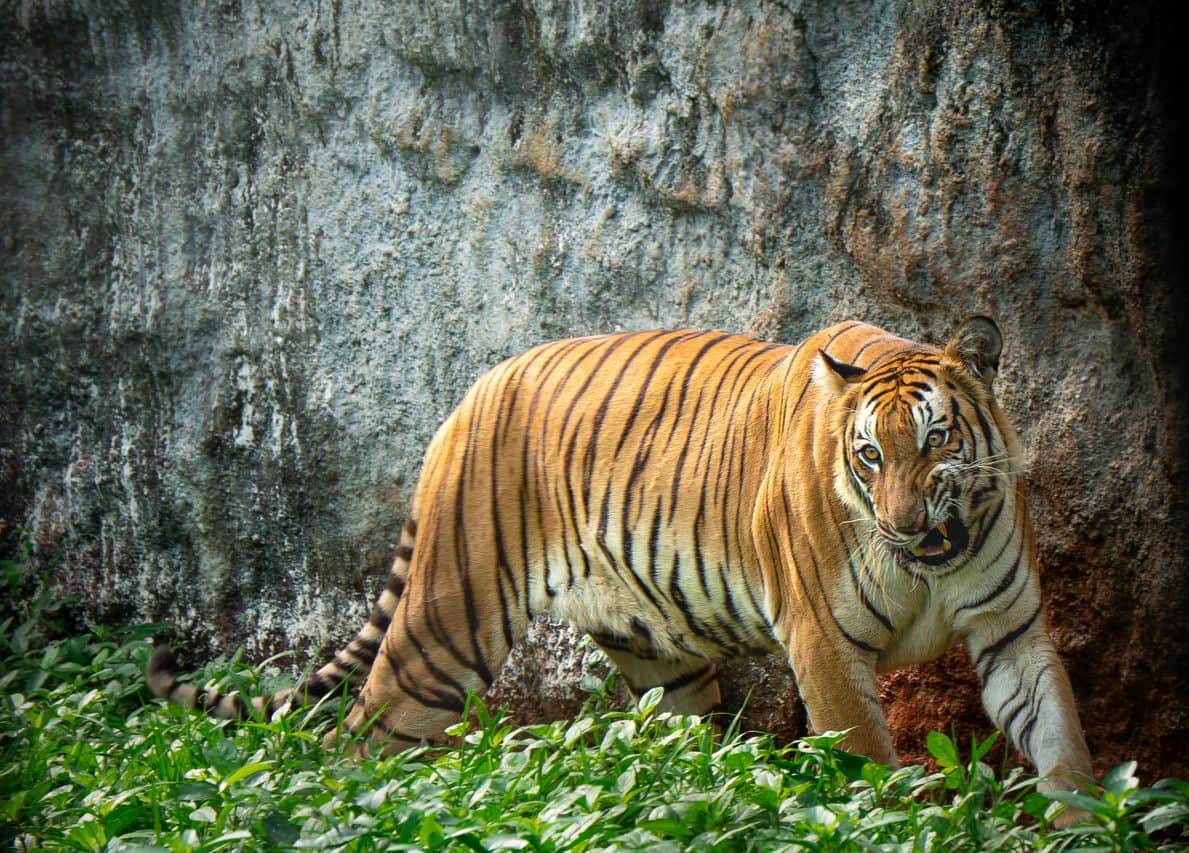
Tiger walking below a rocky cliff face
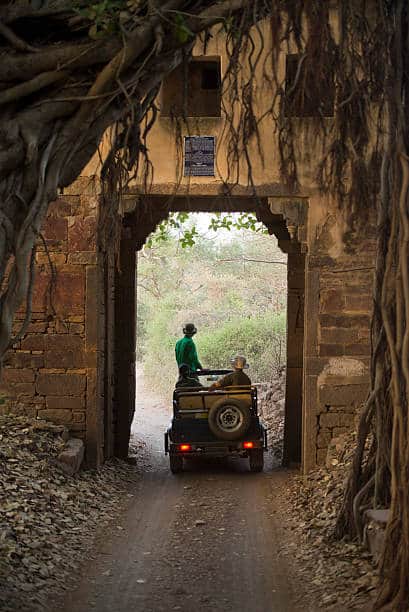
Open safari jeep passing through a stone gateway arch

Visiting Bakaula at a Glance

ItemDetail
What it isDense, shaded forest with a string of water holes
ZoneCore zone routes; mapping confirmed at booking
AccessSafari vehicle only
Known forTigresses with cubs, water-hole activity in summer
Best timeMorning slot; March to June for the pools
LightLow under the canopy; plan camera settings
SeasonOctober to June; park closed July to September

Frequently Asked Questions

Which zone is Bakaula in?

Its water holes are inside the core tourism zones and the route mapping has changed over the years with forest department notifications. We confirm the current zone number when you book rather than publishing one that may be out of date.

Why is Bakaula known for tiger cubs?

The closed canopy and the water holes that last through summer make it a safe place for a tigress to keep small cubs. Many well-known Ranthambore tigers were first seen here as cubs, so guides watch the area closely.

Is a tiger sighting likely in Bakaula?

Sightings are reported regularly, especially at the pools in summer, but no part of the park guarantees one. The forest is thick, which makes the animals harder to see even when they are close.

Is Bakaula better in summer or winter?

Winter is comfortable and green; summer is hot but is when the shaded pools pull in the most wildlife. Photographers usually choose March to May; families usually choose November to February.

Can I combine Bakaula with the lakes on one drive?

It depends on the zone allotted and the route the driver takes; some routes pass both, many do not. Booking two safaris across two zones is the reliable way to see both.