Lakarda Anantpura Ranthambore

Lakarda and Anantpura

Lakarda and Anantpura are the northern and north-western stretch of the tourism area, a country of open woodland, grassy patches and hundreds of termite mounds. It is the part of the park most often named for sloth bears, and Indian striped hyena are reported here more than elsewhere. At the time of writing the drives run on the zone 2 side.

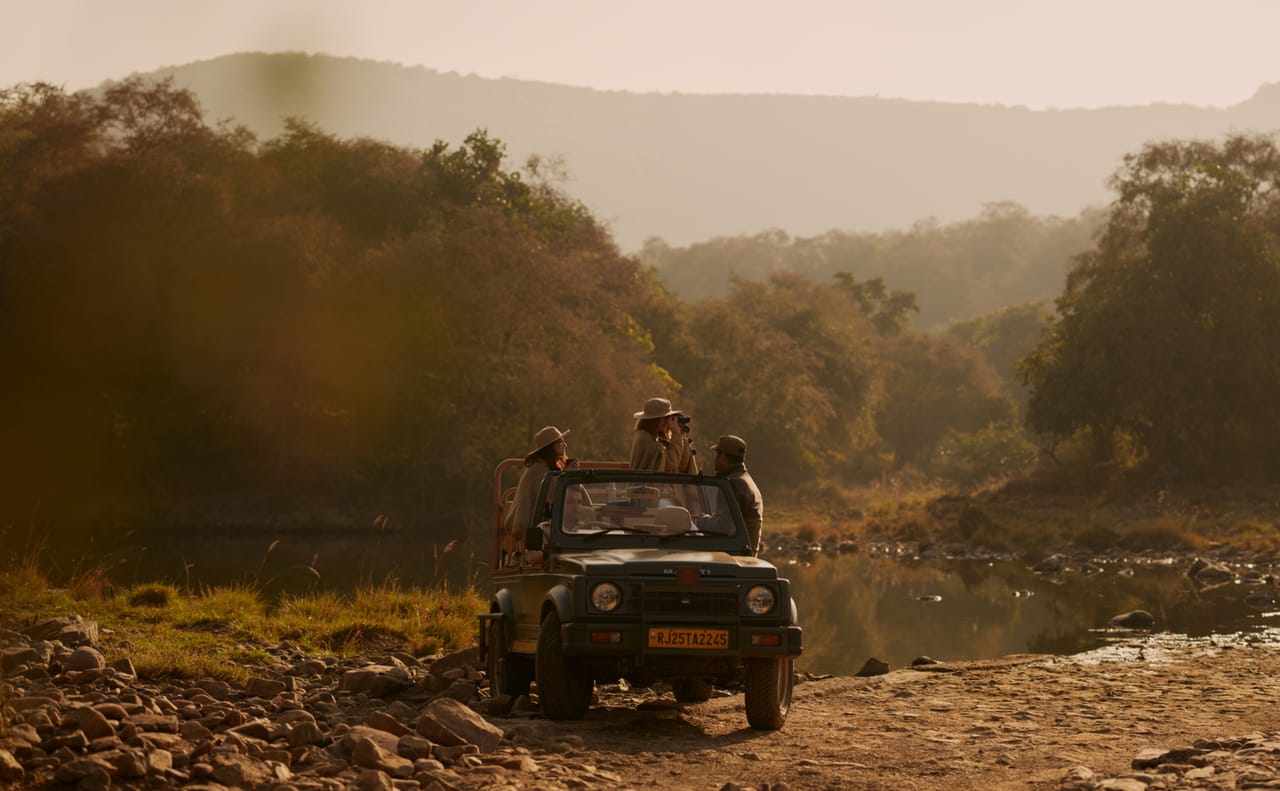
Safari jeep in a misty valley below the Aravalli hills
Location
Inside the park, northern and north-western tourism area
Safari zone
Usually zone 2; zones can change by notification
Best time
Morning slot, October to March
Entry
Safari permit only

Background

Lakarda and Anantpura are two adjoining areas rather than one place: Lakarda is the stretch of woodland and open ground with the ant hills, and Anantpura the plateau and slopes beyond it, named for the village that once stood there. Neither has lakes or ruins, so they were never the showpiece. Their reputation is built on the sloth bear, which digs the termite mounds here, and on the striped hyena, a shy scavenger that guides report on this side more than anywhere else in the park. Tigers hold territories here too and are seen in most seasons.
What You See

The tracks run through more open forest than the lakes side, with long grass in the cooler months and views across to the ridges. Termite mounds stand everywhere, many with fresh digging where a bear has been. Sloth bears are seen at the mounds, on the tracks and up in fruiting trees, most often early. Hyena are reported at first light along the tracks. Sambar, chital and nilgai are common, and the open country is good for peafowl, jungle bush quail, and raptors on the dead trees. Tigers cross the tracks and lie up in the grass margins.

Which Zone and How to Reach

Both areas are inside the tourism zones and are reached only in a permitted safari vehicle. At the time of writing they are on the zone 2 side, which enters from the main gate area and swings north rather than towards the lakes. Zone boundaries change with forest department notifications and the zone is allotted when the permit is issued, so we confirm the current mapping on your dates. Zone 2 is often easier to get than the lake zones, which suits guests who want bears more than water.

Best Time and Season

Morning is the slot for this side. Bears feed at the mounds in the cool of the early hours and retreat to shade as the day warms, and hyena are only reported around dawn. October to March gives the most comfortable drives and the most bear reports, with the grass tall after the monsoon. April to June is hot and the open country offers little shade, but the few water points then concentrate deer and tigers. Mahua flowering in spring draws bears into the trees, and that is worth asking about if you are visiting in March or April.

Photography Tips

Sloth bears are black, shaggy and quick, and they are usually seen in low light; set a fast shutter and a high ISO before you reach the mounds. A long lens is needed, since bears rarely tolerate a close approach and the guide will keep back. Hyena pictures are mostly grab shots on the track at dawn, so keep the camera in hand rather than in the bag for the first half hour. The open grassland with a tiger walking through it is a different and very good picture from the lakes, best in the first light with a mid-range zoom.

Combining with a Safari

If you are booking two or three safaris, one on this side balances a lakes drive well: water and ruins one morning, bears and open forest the next. Guests who want to see something other than tigers usually ask for Lakarda first. It works as a morning drive followed by the fort in the afternoon, since the route returns to the same side of the park. Tell us when you book and we will request the zone that covers it and be straight with you about how likely a bear is on your dates.

Practical Tips

Winter mornings in the open are cold and windy in a jeep, so layer up and bring something for your ears. Keep quiet at the mounds; a bear that hears the vehicle leaves at a run. Do not press the guide to go closer, because a sloth bear with cubs is one of the few animals in the park that will charge. Binoculars help you pick out a bear on a distant slope. Bring water even in winter, as the drive is long and there is nowhere to buy anything once you are inside the gate.

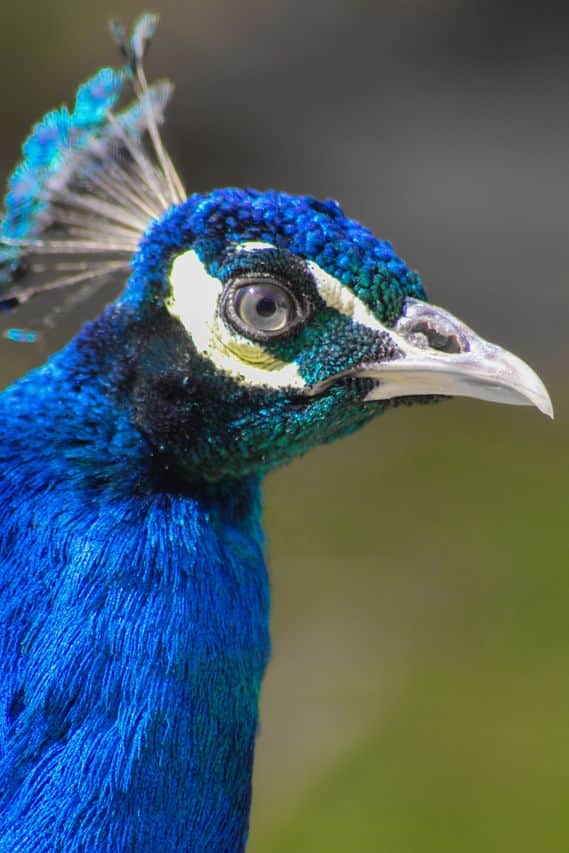
Close-up of a peacock
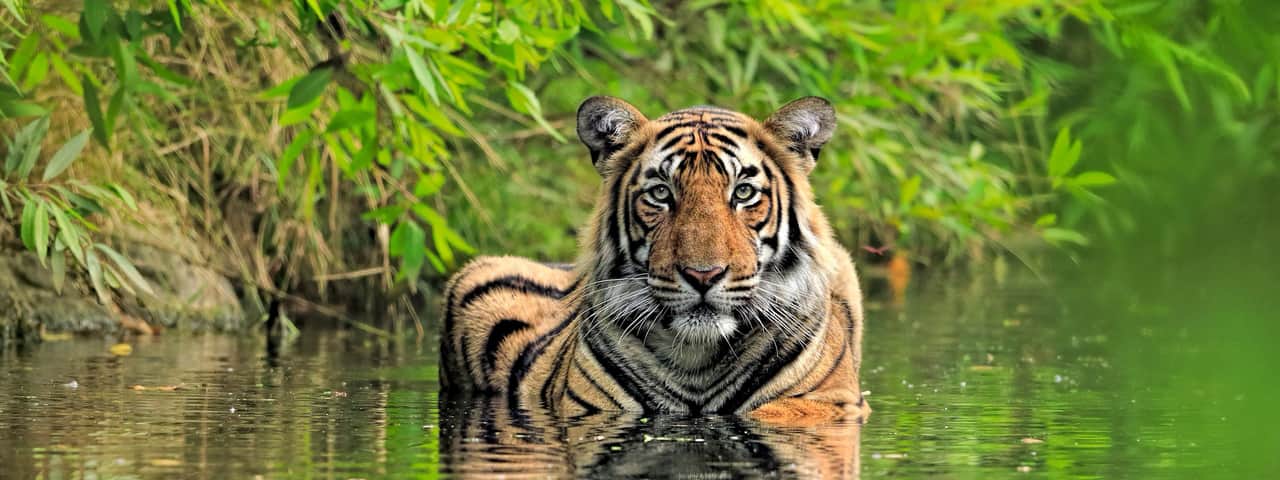
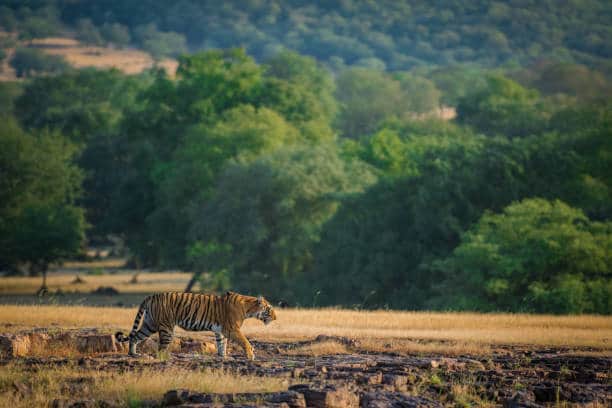
Tiger walking beside a lake at dawn

Visiting Lakarda and Anantpura at a Glance

ItemDetail
What it isOpen woodland and grassland with many termite mounds
ZoneUsually zone 2; confirmed at booking
AccessSafari vehicle only
Known forSloth bears at the ant hills, reported striped hyena
Best timeMorning slot, October to March
TigersSeen in most seasons; territories cross the area
SeasonOctober to June; park closed July to September

Frequently Asked Questions

Which zone covers Lakarda and Anantpura?

The zone 2 side at the time of writing. Zone routes follow forest department notifications and can change, so we confirm the current mapping before you book.

Are sloth bears guaranteed on this side?

No. They are reported here more than anywhere else in the park, especially in the cooler months at the termite mounds, but sightings still depend on the morning. Treat a bear as likely enough to hope for, not certain.

Can I see hyena in Ranthambore?

Indian striped hyena are reported on the Lakarda side, usually around dawn on the tracks. They are shy and sightings are irregular; we mention them because guides report them here, not because they are expected on a given drive.

Are there tigers on the Lakarda side?

Yes. Tiger territories cross this area and sightings are reported in most seasons, though the open country and grass make them less predictable than at the lakes.

Is this a good first safari?

It is, particularly for guests who want a quieter drive and are interested in bears and birds as much as tigers. Pair it with a lakes-side drive if you are staying two nights.