Dollar T-25 Ranthambore

Dollar / Zalim (T-25), the Father Who Raised Orphans

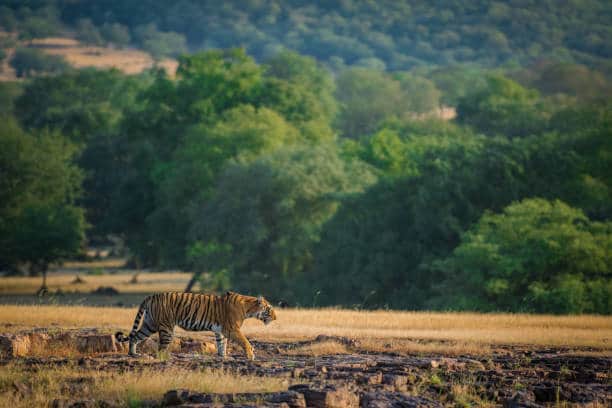
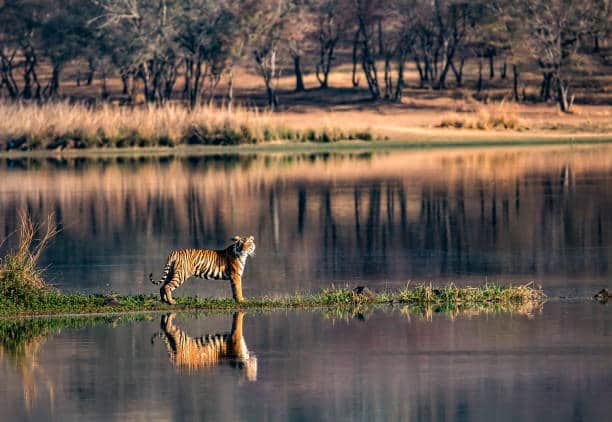
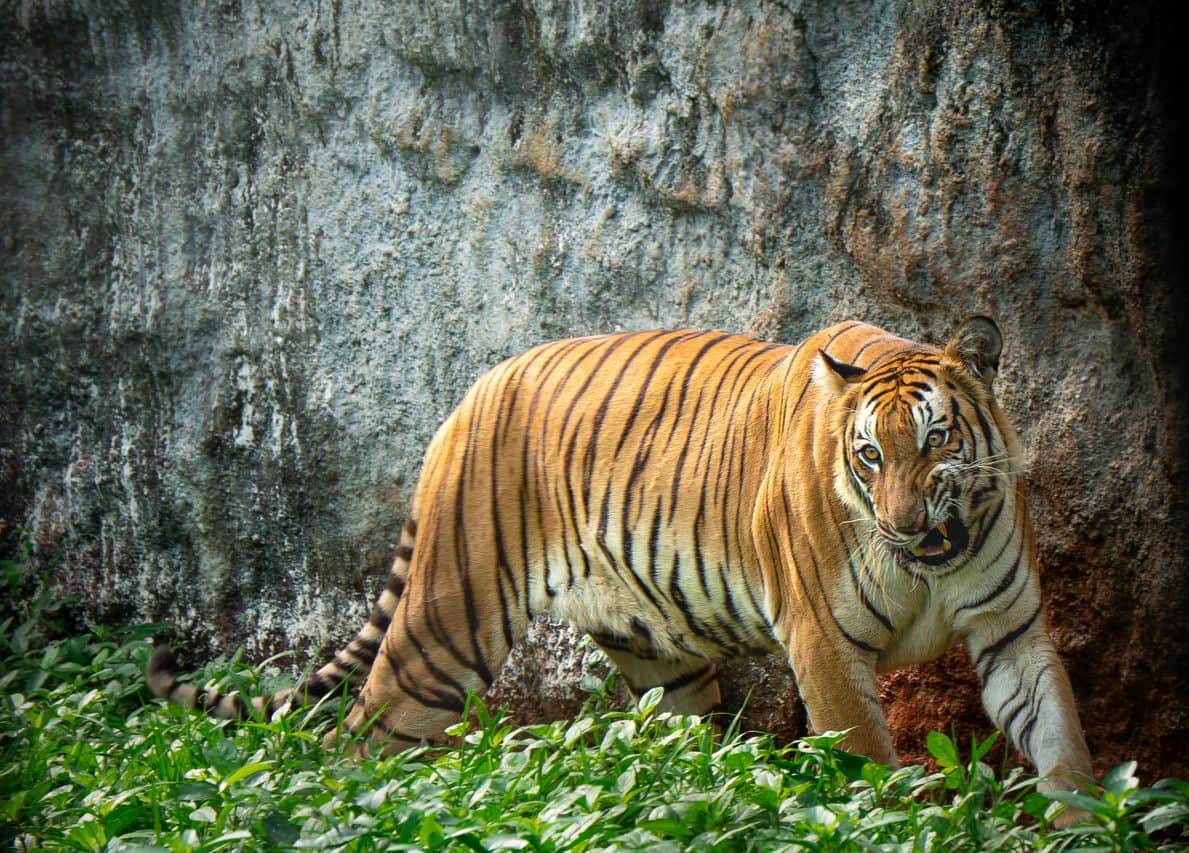
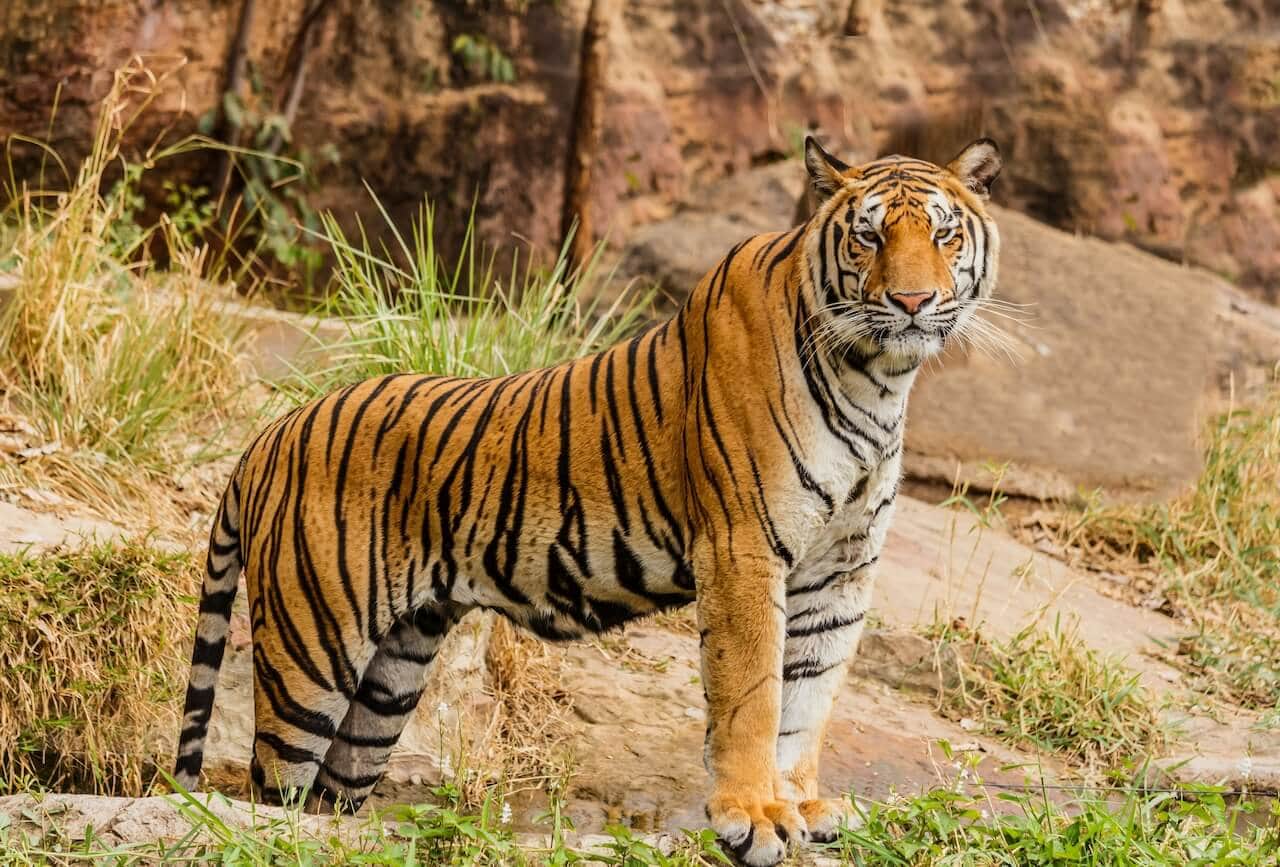
Dollar (T-25), also called Zalim, was the resident male of the Kachida side of Ranthambore for most of the 2010s. He is remembered for one thing above all: after the tigress T-5 died in 2011, he stayed with her two orphaned cubs and raised them, something male tigers were not believed to do in the wild. He died in January 2020.

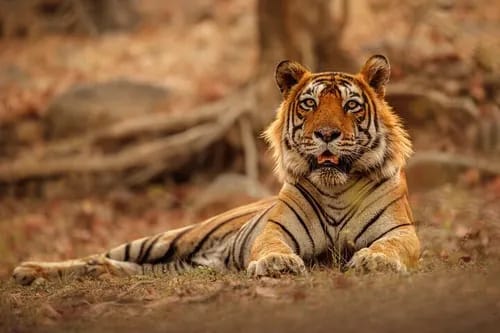
Tiger resting among rocks in the shade
T-number
T-25
Sex
Male
Associated zones
Zones 4 and 5, Kachida side
Status
Died January 2020

Identity and Markings

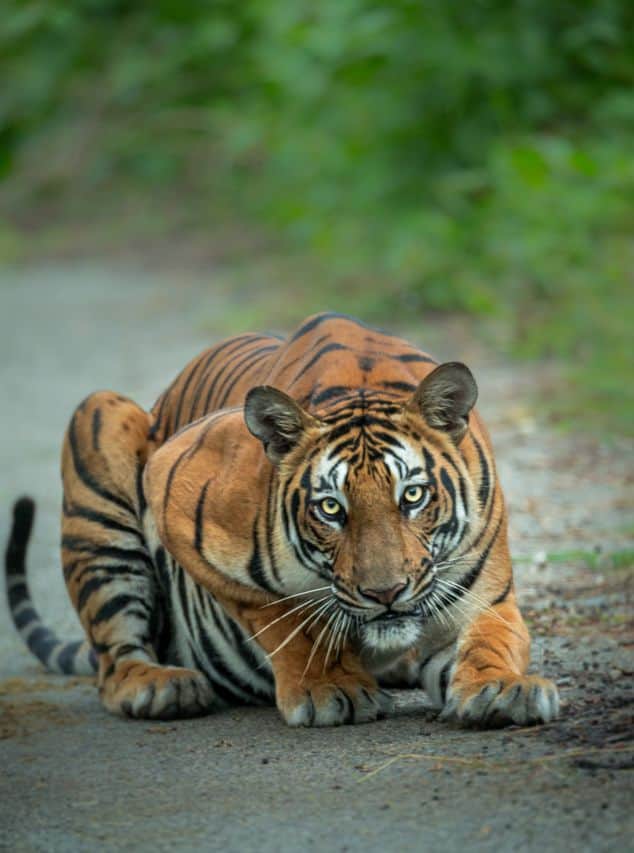
The name Dollar came from a mark on his coat that guides thought looked like a dollar sign. Zalim, meaning cruel or harsh, was the older nickname, given for his temperament: he was known to charge and chase tourist vehicles when he felt crowded, and drivers gave him room. He was a big, thick-necked male with a broad face. Between the mark and the reputation, he was one of the easier tigers in the park for guides to identify at a distance.
Life Story

Dollar held the Kachida area from around 2010 until his last years, sharing it with the tigresses of that side. In February 2011 T-5, a tigress on his range, died leaving two female cubs of a few months. Instead of losing them, the forest department watched Dollar return to the cubs repeatedly, and monitoring showed he stayed with them, tolerated them at his kills, and protected them until they were old enough to fend for themselves. He aged as most dominant males do, losing ground to younger animals, and died in January 2020.

Territory and Zones

His range centred on Kachida Valley and the surrounding hills, which under current zoning is mainly zone 5 with overlap into zone 4. It is enclosed, hilly ground with streambeds and waterholes rather than open lake shore. Zone boundaries are set by forest department notifications and the Kachida tracks have been re-routed over the years, so older reports naming a zone number should be read as approximate.

Lineage

Dollar is assumed to have sired several litters on the Kachida side, but paternity of wild cubs is rarely confirmed, so we do not attach specific tigers to him. The two cubs he raised were not his own in any documented sense; they were T-5's daughters, and the department later moved them as part of its management of surplus tigers. If you want to see a Kachida tiger with a documented link to the past, T-73 of Sundari's line is the better-known resident as of recent seasons.

Famous Moments

The 2011 orphan story is the moment. It was reported across India and internationally as the first documented case of a wild male tiger raising cubs, and it turned a tiger with a reputation for charging jeeps into one of the park's most sympathetic characters. It also had a practical effect: it changed what forest staff expected males to do, and shaped how the department has handled orphaned cubs since. His reputation for chasing vehicles is the other thing guides still talk about.

Planning a Safari With Dollar in Mind

Dollar is gone, but Kachida is still one of the more atmospheric parts of the park. Ask us to request zone 5, and to a lesser extent zone 4; allocation is the forest department's decision. The valley is good for close, sudden sightings rather than long views, and it is cooler in the afternoon than the open zones. If you want to photograph the terrain he lived in as much as a tiger, a morning drive gives better light on the hillsides.

Why Sightings Are Never Guaranteed

Even Dollar, big and habituated as he was, went unseen for weeks at a time in the Kachida ravines. The tigers holding his old ground now are less tolerant of vehicles and the terrain hides them well. Recent sighting reports are the only useful guide to what is active, and they describe the past fortnight, not your drive. We tell guests this before they book because it is true, not because it sells.

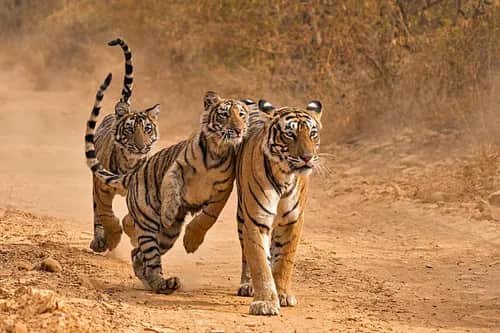
Two young tigers running along a dusty forest track
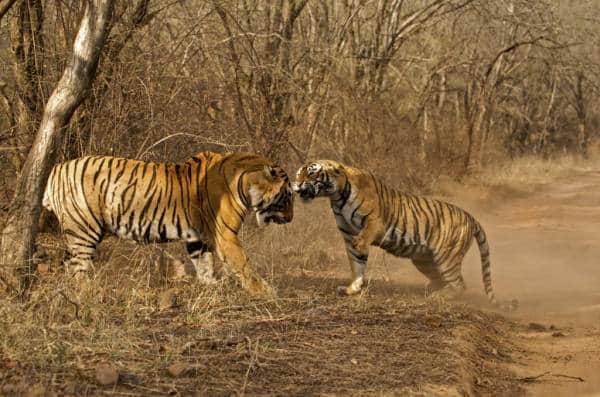
Two tigers sparring in dry forest

Dollar Timeline

YearEvent
Around 2010Becomes resident male of the Kachida side
February 2011Tigress T-5 dies leaving two cubs
2011Dollar observed staying with and provisioning the orphans
2012 onwardThe two orphans reach independence; later moved by the department
Late 2010sLoses ground to younger males as he ages
January 2020Dies

Frequently Asked Questions

Did a male tiger really raise cubs in Ranthambore?

Yes. After the tigress T-5 died in 2011, Dollar (T-25) stayed with her two cubs, shared kills with them and protected them until they were independent. It was widely reported as the first documented case in the wild.

Why was Dollar called Zalim?

Zalim means cruel or harsh. He earned it for charging and chasing tourist vehicles when crowded. The name Dollar came later, from a mark on his coat that guides thought looked like a dollar sign.

Is Dollar T-25 still alive?

No. He died in January 2020 after several years of losing ground to younger males.

Which zone was Dollar in?

The Kachida side, mainly zone 5 with overlap into zone 4 under current zoning. Zone boundaries are set by the forest department and have changed over time.

Which tigers hold Kachida now?

T-73 of Sundari's line is the best known resident as of recent seasons, with other tigers moving through. Ask for recent sighting reports rather than relying on older lists.