Ustad T-24 Ranthambore

Ustad (T-24), the Relocated Male

Ustad (T-24) was the dominant male of the zone 1 side of Ranthambore and the mate of Noor (T-39). In May 2015, after the death of a forest guard on the road near the park, the forest department captured him and moved him to Sajjangarh Biological Park in Udaipur. The decision divided guides, conservationists and lawyers, went to court, and remains the most argued-over episode in the park's recent history.

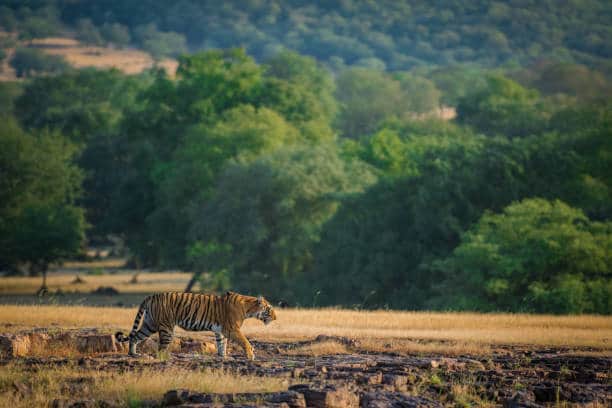
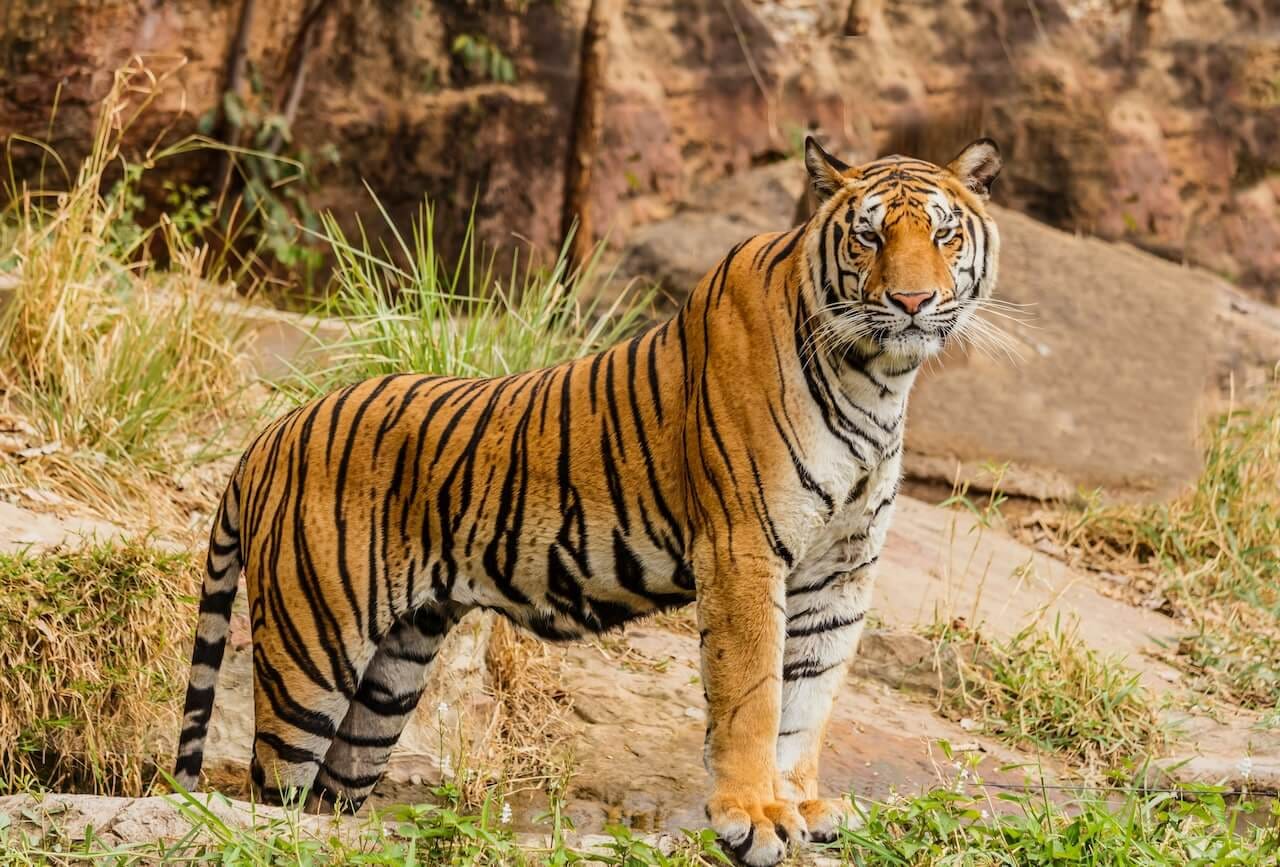
Tiger standing on rocks in Ranthambore
T-number
T-24
Sex
Male
Associated zones
Zone 1, Sultanpur side; overlap with zone 6
Status
Relocated to Sajjangarh, Udaipur, May 2015

Identity and Markings

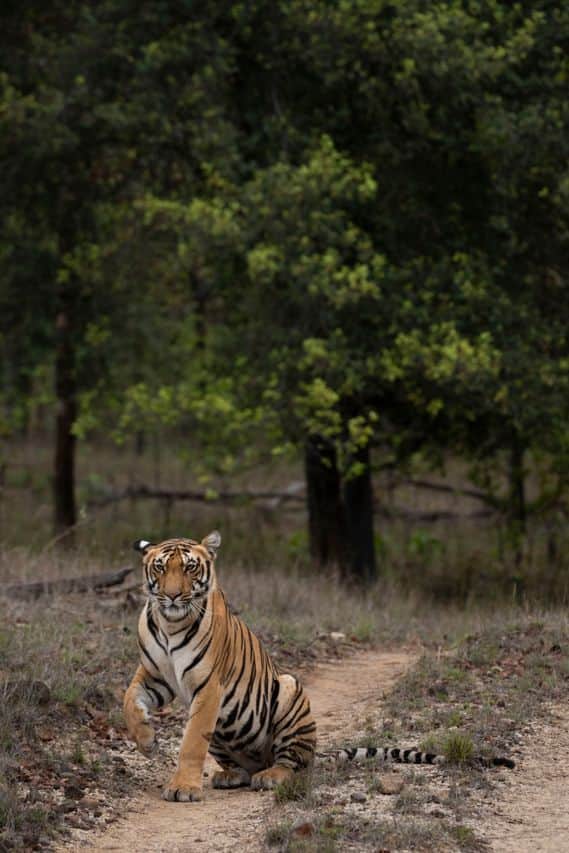
Ustad, which means master or maestro, was a large male with a heavy head and a confident, unhurried walk. He was one of the most easily recognised tigers on the zone 1 side because of his size and because he used the roads and open tracks freely rather than keeping to cover. Guides regarded him as bold rather than aggressive towards vehicles. He was the resident male around the Sultanpur area for several years and was photographed often, including with Noor and their cubs.
Life Story

Ustad held the zone 1 side through the early 2010s and fathered several litters with Noor, including Sultan (T-72). Between 2010 and 2015 he was linked, with varying degrees of certainty, to the deaths of people in or near the park boundary. The last was forest guard Rampal Saini in May 2015. Within days the forest department tranquillised Ustad and transferred him to Sajjangarh Biological Park in Udaipur, a zoo enclosure. He did not return to the wild. Reports about his condition in captivity since then vary, and we do not repeat them as fact.

Territory and Zones

His range covered the zone 1 side around Sultanpur and the tracks towards the park boundary, with overlap into what is now zone 6. That side of the park has a lot of edge, with villages and the road not far away, which is part of why his story ended the way it did. Zone boundaries are set by forest department notifications and have changed since 2015, so descriptions of "Ustad's zone" in older articles may not match today's routes.

Lineage

Ustad's mate was Noor (T-39), the best known tigress of zones 1 and 6. Their cubs include Sultan (T-72), born in 2012 and one of the most photographed young males of that period before he dispersed. Later Noor litters are variously attributed to Ustad and to males that moved in after his removal, so we do not list them under him. Through Noor, his descendants are reported to be present on the zone 1 and 6 side as of recent seasons; check sighting reports for which individuals are resident now.

The Controversy and the Court Case

The relocation was challenged in the Rajasthan High Court and later the Supreme Court by people who argued that the evidence tying Ustad to the deaths was thin, that he had never attacked a vehicle, and that a wild male should not be put in a zoo. The courts declined to order his return. Others, including many guards, argued that the department had a duty to staff safety. Whatever your view, the case changed how the park handles human deaths and how carefully it documents individual tigers.

Planning a Safari With Ustad in Mind

You will not see Ustad in Ranthambore. What you can see is his side of the park and, with luck, Noor's line. Ask us to request zone 1 or zone 6; allocation is the forest department's decision. Zone 1 has a mix of open track and dense edge and is good for a first safari because the drive itself is interesting. If you are visiting Udaipur separately, Sajjangarh Biological Park is a public zoo, but we do not recommend planning a trip around a captive tiger.

Why Sightings Are Never Guaranteed

Ustad's removal is the clearest example of why we do not build itineraries around a named tiger: one of the most reliably seen males in the park was gone within a week, and the territory was contested for seasons afterwards. Tigers move, are pushed out, or are moved. Recent sighting reports tell you what is active now. We plan around those and around how many safaris you can fit in, not around reputations.

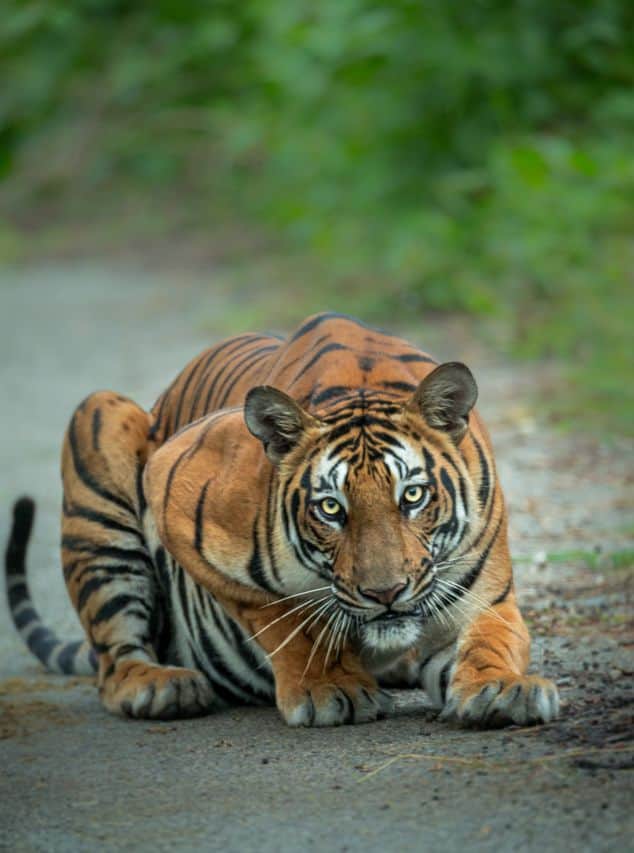
Tiger walking down a forest track
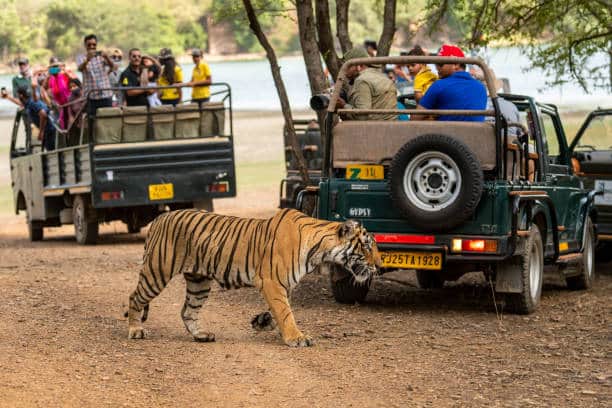
Tiger walking past a safari canter and jeep with tourists watching

Ustad Timeline

YearEvent
Early 2010sHolds the zone 1 and Sultanpur side as resident male
2012Sultan (T-72) born to Noor, widely reported as Ustad's cub
2010 to 2015Linked to deaths near the park boundary; evidence disputed
May 2015Forest guard Rampal Saini killed; Ustad captured within days
May 2015Moved to Sajjangarh Biological Park, Udaipur
2015 onwardRelocation challenged in the High Court and Supreme Court; not reversed

Frequently Asked Questions

Why was Ustad T-24 removed from Ranthambore?

After forest guard Rampal Saini was killed in May 2015, the forest department held Ustad responsible, tranquillised him and moved him to Sajjangarh Biological Park in Udaipur. He had earlier been linked to other deaths near the boundary, though the evidence was disputed.

Was Ustad a man-eater?

That is exactly what the argument was about. The department treated him as a repeat threat to people. Critics said the identifications were uncertain and that he had never behaved aggressively towards tourist vehicles. The courts did not order his return.

Is Ustad still alive?

He was held at Sajjangarh in Udaipur after 2015. Reports about his health and status since then vary and we do not repeat them as fact. He has not returned to Ranthambore.

Which zone was Ustad in?

The zone 1 side around Sultanpur, with overlap into what is now zone 6. Zone boundaries are set by the forest department and have changed since 2015.

Who are Ustad's cubs?

Sultan (T-72), born to Noor in 2012, is the best known. Later Noor litters are attributed to different males, so we do not list them under Ustad. Noor's descendants are reported on the zone 1 and 6 side as of recent seasons.