Identity and Markings
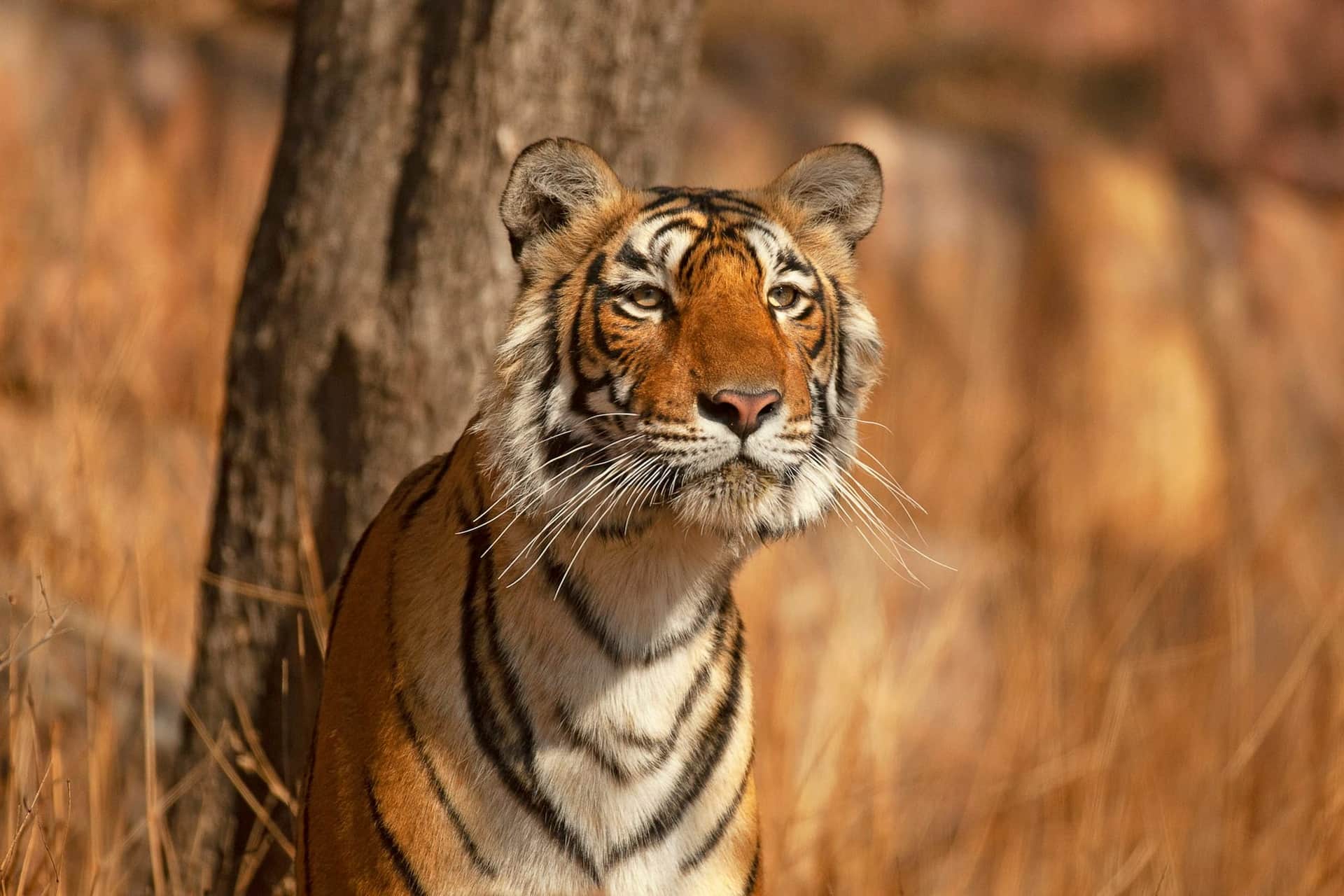
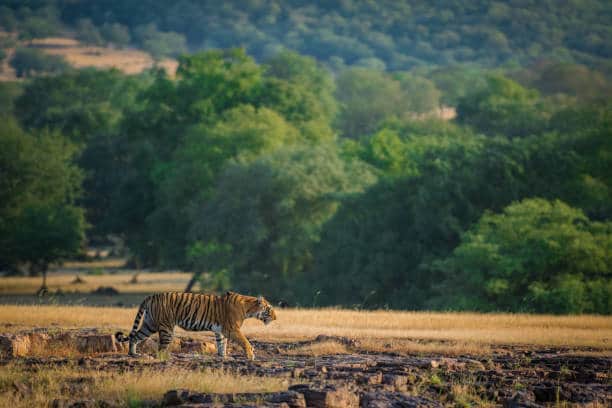
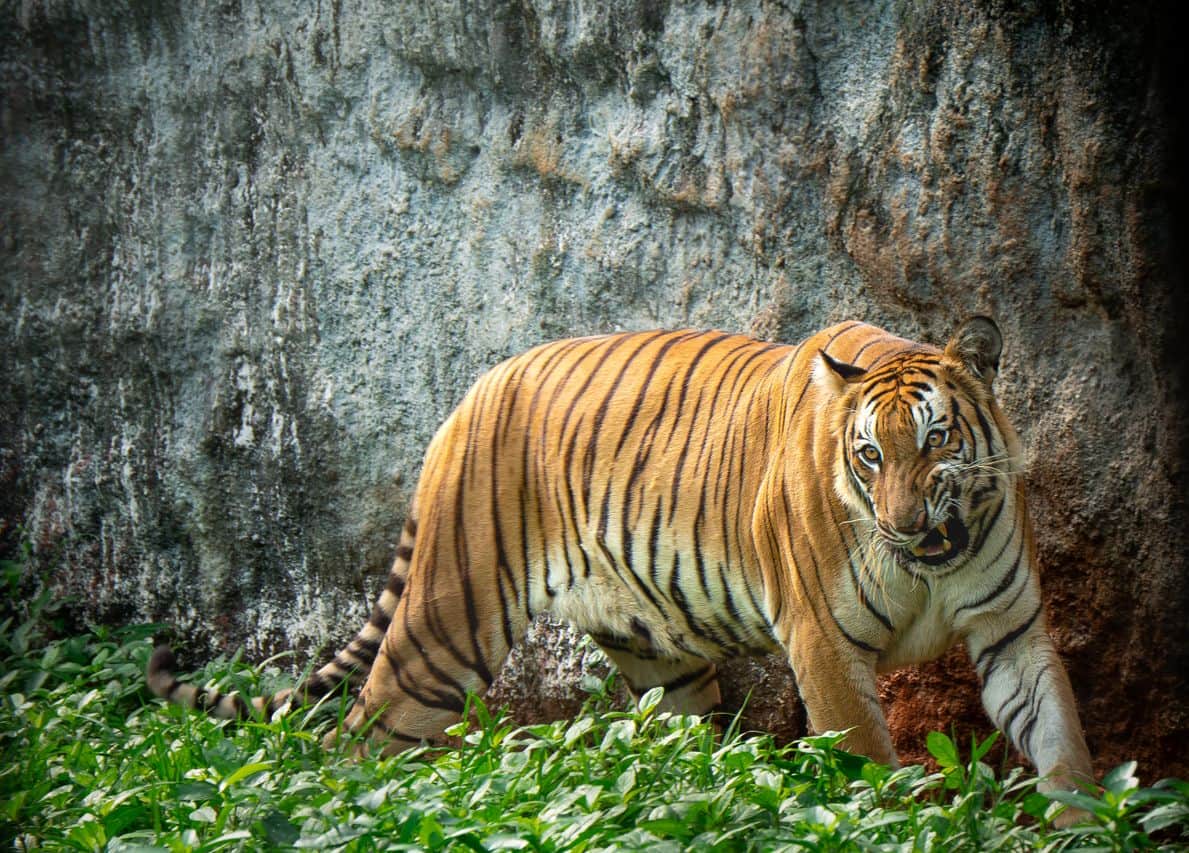
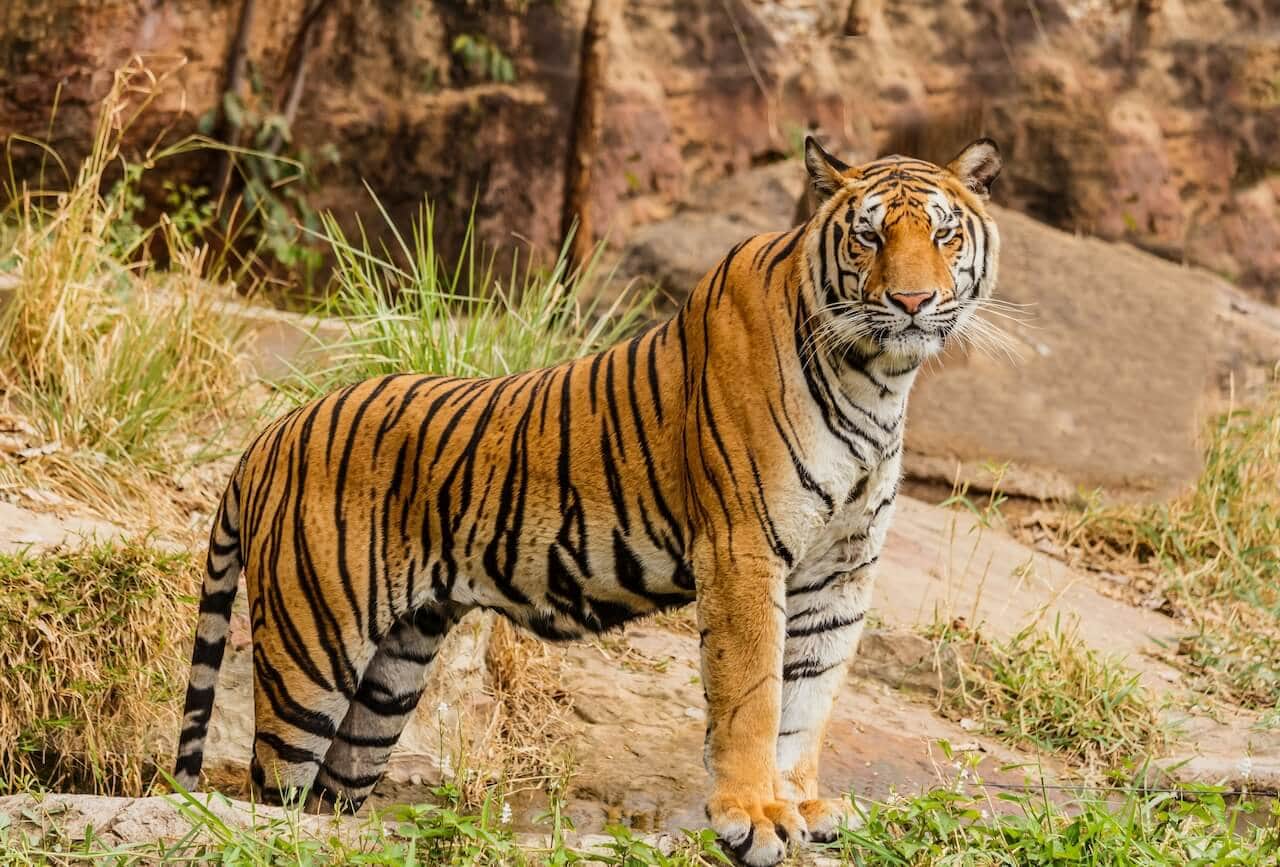
Krishna was a large, heavy-set tigress, noticeably bigger than her mother, with a broad face and a calm manner around vehicles that she seems to have learned from Machali. Guides identified her by her build and by stripe patterns on the flanks rather than by a single obvious mark. Because she was one of three sisters from the same litter, early photographs of "Machali's cubs" often do not say which sister is which, so treat older captions with caution.
Life Story
She was born in 2006 alongside Sundari (T-17) and Satra (T-18). While Satra was moved to Sariska and Sundari settled towards Kachida, Krishna stayed close to home and gradually took the lakes from Machali as the old tigress weakened. She raised several litters there. Her later years are less documented; she was seen less often as Arrowhead grew into the territory, and she has not featured in recent sighting reports. We are not aware of an official announcement about her, so we list her status as unconfirmed.
Territory and Zones
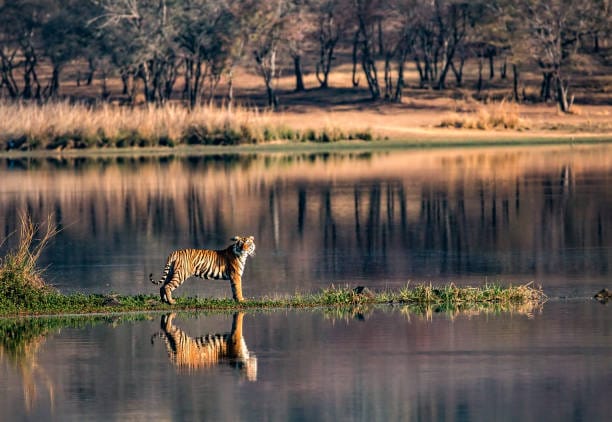
Krishna's range was essentially the same as her mother's: Padam Talao, Rajbagh and the tracks between them, under current zoning mostly zone 3 with parts of zone 4. Zone numbering and boundaries are set by forest department notifications and have changed over the years, so a report placing her in "zone 3" a decade ago does not necessarily describe today's zone 3 route. Her daughters and granddaughters are the ones to look for on that ground now.
Lineage
Krishna is the daughter of Machali (T-16) and, by most accounts, Jhumru (T-20). Her best known litter, born in 2014, produced three cubs that guides named Arrowhead (T-84), Lightning (T-83) and Pacman (T-85). Arrowhead stayed and eventually took the lakes; Lightning and Pacman dispersed. Through Arrowhead, Krishna is the grandmother of Riddhi (T-124) and Siddhi, so four generations of the same female line have now held the lakes.
Famous Moments
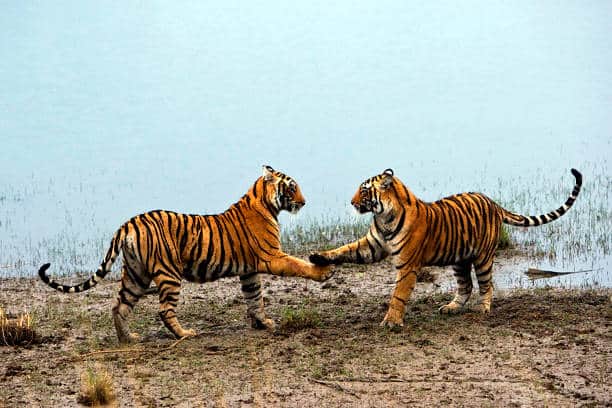
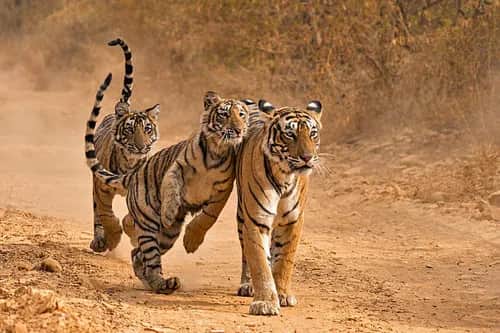
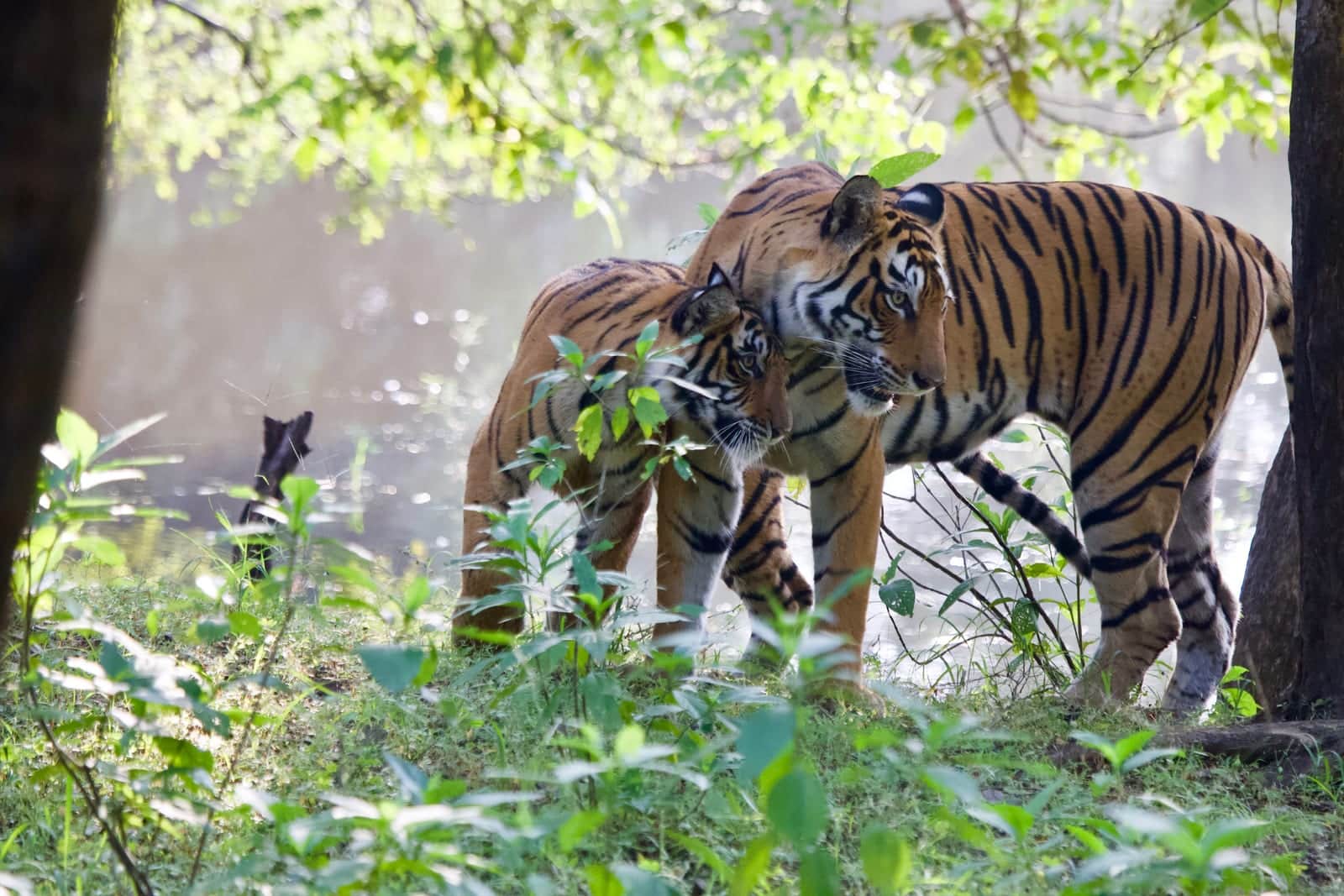
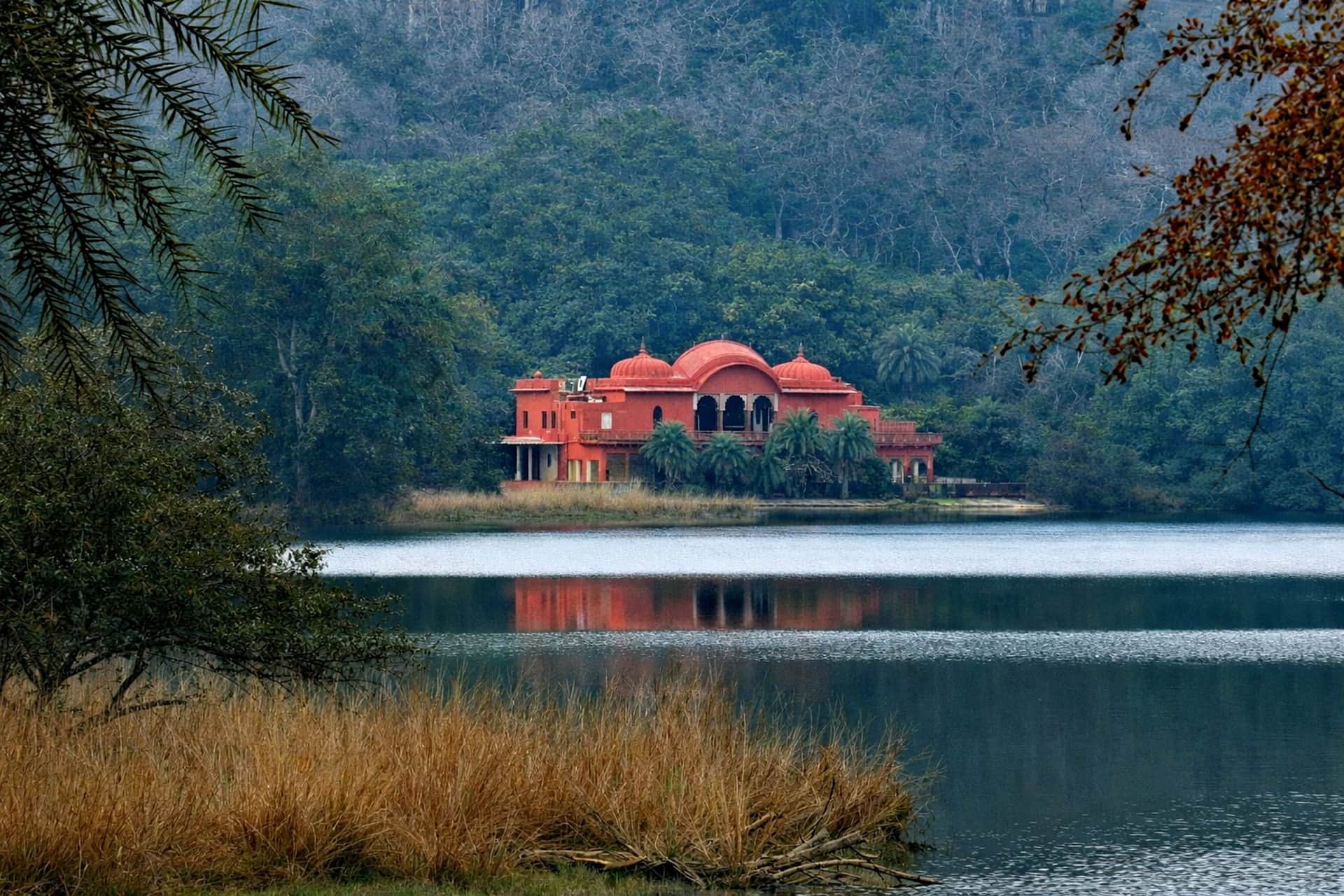
Krishna's most photographed period was 2014 to 2016, when she was walking the lake edges with three growing cubs behind her. Images of the family on the shoreline below Jogi Mahal are among the most widely shared Ranthambore photographs of that decade. She was also the tigress who, in a quiet and undramatic way, showed that Machali's territory would stay in the family rather than pass to an unrelated newcomer, which mattered a great deal to people who had followed the lakes for years.
Planning a Safari With Krishna in Mind
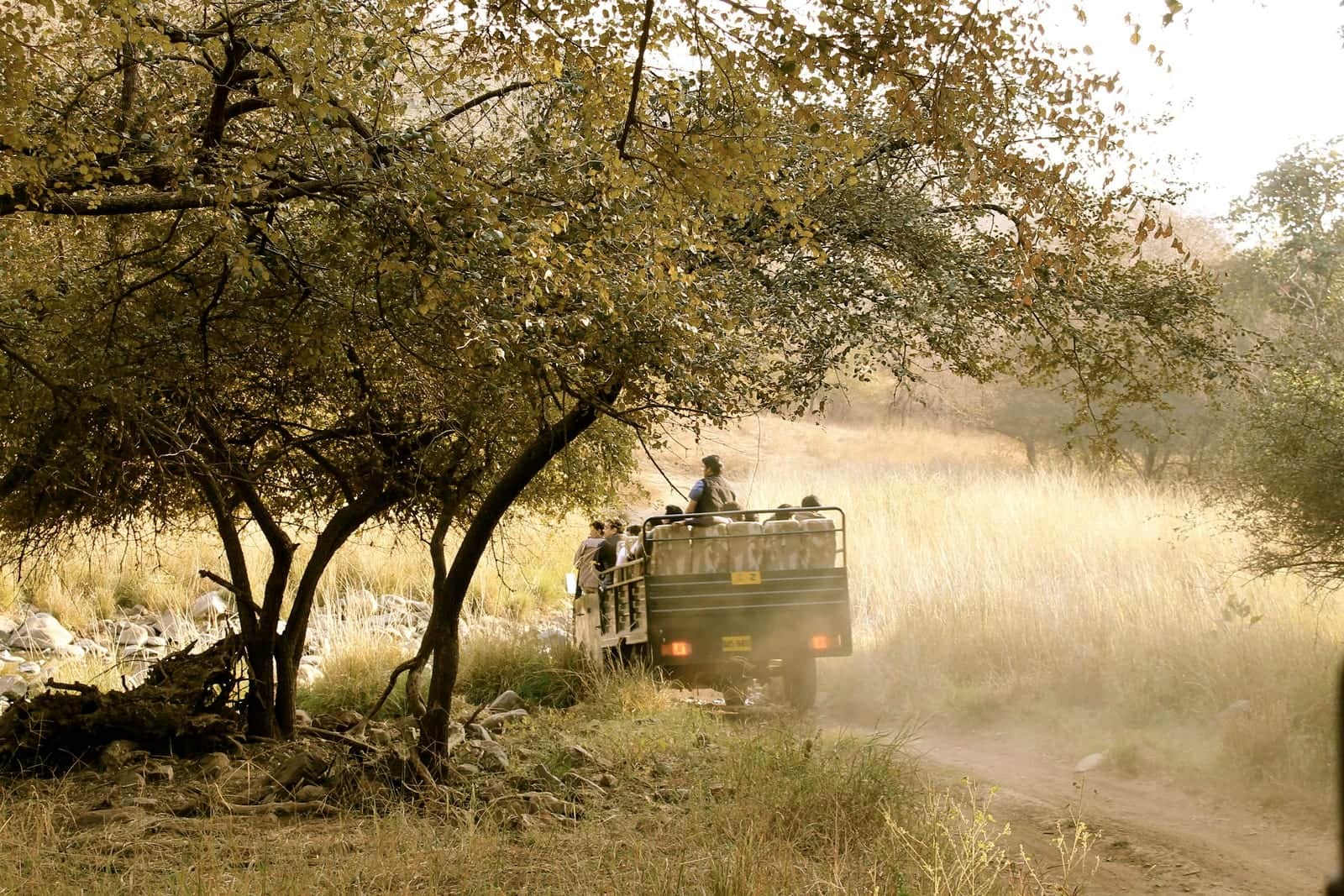
Krishna herself is unlikely to be the tiger you see, but her ground is the most requested part of the park and her descendants are active there as of recent seasons. Ask us to request zone 3 or 4; the forest department allocates zones, so we cannot promise either. Book a morning and an afternoon across two days rather than two slots on one day, because tiger movement around the lakes changes with heat and water. Tell us if photography is the priority and we will suggest the slot accordingly.
Why Sightings Are Never Guaranteed
The lakes zones have the longest record of sightings in Ranthambore, and even there most drives end without a tiger. A tigress with cubs keeps them hidden for months. A tigress without cubs may be hunting on the far side of the hill. Recent sighting reports narrow the odds; they do not remove the uncertainty. We would rather tell you that plainly before you book than after.